


You are managing long-term care
How do I document endometriosis for work accommodations?

Documenting endometriosis for work accommodations starts with creating a clear paper trail that connects your diagnosis (or suspected diagnosis) to specific functional limits at work. Keep a simple symptom log for at least 4–8 weeks: date, symptom (pelvic pain, fatigue, bowel/bladder pain, heavy bleeding), severity, duration, triggers, and exactly what work tasks were affected (missed shifts, reduced standing tolerance, inability to sit, concentration issues, frequent bathroom breaks). Save objective documentation too—operative and pathology reports if you’ve had surgery, imaging reports when available, ER/urgent care notes, medication or treatment history, and any workplace attendance or performance impacts that occurred during flares.
For an accommodation request, what usually helps most is a concise clinician letter that focuses on work restrictions rather than extensive medical detail—e.g., need for flexible scheduling during flares, ability to work from home at times, breaks for pain management/restroom access, limits on prolonged standing/sitting, or intermittent leave when symptoms are unpredictable. If you’re pursuing disability benefits, the same principle applies: decision-makers look for consistent records over time showing that symptoms significantly interfere with your ability to perform job duties, since endometriosis isn’t automatically classified as a disability.
Our team can help you organize the records that best support your case and, when appropriate, provide medical documentation that reflects the reality of your symptoms and functional limitations. If you’d like, reach out to schedule a consultation so we can review what you already have and identify what additional documentation would be most useful for workplace accommodations.
Get work support that fits your symptoms
Our endometriosis & adenomyosis specialists can help you turn your diagnosis—or suspected diagnosis—into clear documentation of functional limits for HR and your clinician. We’ll also recommend practical accommodations for pain, fatigue, bleeding, and bowel/bladder flares so you can keep working.
Schedule a VisitRelated Procedures
Learn More

Endometriosis, Disability, and Work: What to Know
A practical guide to endometriosis and disability: SSDI/SSI eligibility, medical evidence, application steps, workplace accommodations, and retirement.
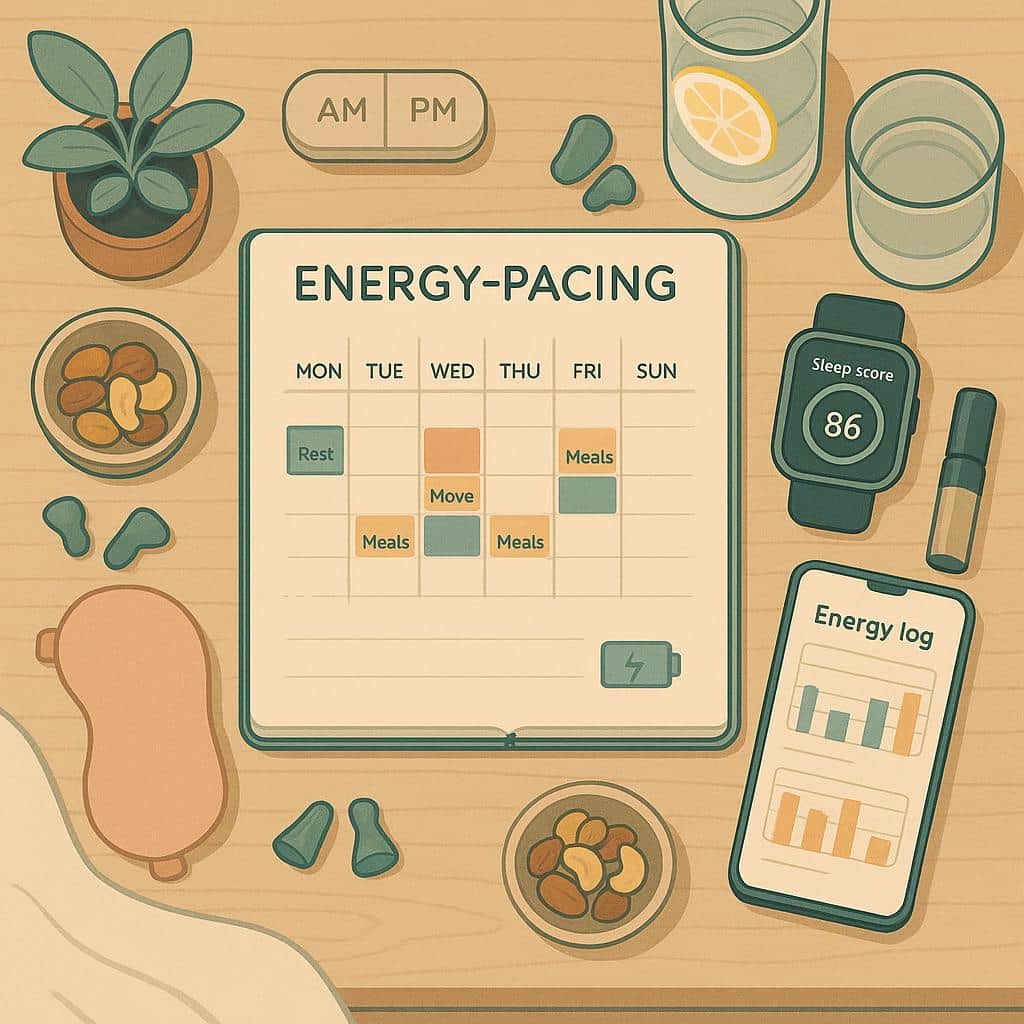
Endometriosis Fatigue : A Practical Guide to Relief
Understand why endometriosis drains energy—chronic pain, hormones, poor sleep, anemia, inflammation—and get practical tips for fatigue, pain, stress, and daily function.

What to Do When Your Endometriosis Concerns Are Dismissed
Feeling dismissed with your endometriosis concerns? Discover expert insights on navigating healthcare while seeking validation and appropriate care.

How to Recognize Endometriosis Symptoms
Recognize endometriosis: painful periods, GI and urinary symptoms, dyspareunia, infertility. Understand causes, complications, diagnosis, and medical/surgical treatment options.
Related Pages
New Patients Guide
Lotus Endometriosis: step-by-step overview of our intake process, telehealth consultations, insurance considerations, and travel planning for care.
Pain Management
Learn how evidence-based pain management for endometriosis can provide real relief while addressing root causes through integrative care.