Diagnosis
Is pelvic pain always caused by endometriosis or adenomyosis?
The short answer
No, pelvic pain is not always caused by endometriosis or adenomyosis. Other causes can include pelvic floor dysfunction, bladder pain syndrome, bowel disorders, fibroids, ovarian cysts or infections, and more than one issue can be present at the same time.
No, pelvic pain isn’t always caused by endometriosis or adenomyosis. Many other conditions can contribute, including pelvic floor dysfunction, bladder pain syndrome, bowel disorders like IBS/IBD, fibroids, ovarian cysts, infections, or musculoskeletal sources of pain.
Certain pain patterns can raise suspicion for endometriosis and sometimes adenomyosis, especially cyclical pain (worse around periods or ovulation) or pain triggered by sex, bowel movements, or urination. It’s also common for more than one issue to be present at the same time, which can make symptoms feel more intense or harder to pin down. Our team can help you sort through your symptom history and prior testing to identify likely contributors and discuss next steps, including whether evaluation for endometriosis or adenomyosis makes sense for you.
Where to go from here
Understand it, compare it with what you're feeling, then talk it through with us.
Speak with Us
Wondering About Your Pelvic Pain?
Pelvic pain can have many causes beyond endometriosis and adenomyosis. Our specialists help pinpoint the source and guide you toward relief and proper care.
Questions people ask next
All diagnosis questionsCan IBS cause pelvic pain like endometriosis?
Yes, IBS can cause pelvic pain that feels very similar to endometriosis, especially with bowel cramping, bloating, constipation or diarrhea. Symptoms alone often can’t reliably tell them apart, and IBS-like bowel sensitivity and endometriosis can coexist.
What conditions commonly occur with endometriosis?
Many patients with endometriosis report symptoms consistent with IBS-type bowel issues, bladder pain syndrome, migraine, pelvic floor dysfunction, mood symptoms, adenomyosis, or fibroids. Untreated overlapping conditions can keep symptoms going after one problem is addressed.
Do fibroids or adenomyosis often occur with endometriosis?
Yes, fibroids and adenomyosis can coexist with endometriosis, and the overlap is especially common in people with heavy bleeding and significant period pain. Identifying which conditions are present is important for choosing the most effective treatment plan.
Does painful urination always mean bladder endometriosis?
Not necessarily: painful urination can happen with bladder endometriosis, but it can also have other causes. These include pelvic floor muscle spasm, bladder pain syndrome, urinary tract infections, kidney stones, or vulvovaginal irritation.
Further reading
What Else Could It Be? Ruling Out Other Causes
Explore essential insights on endometriosis and other causes of pelvic pain. Learn about differential diagnoses and effective treatment options.
Do My Symptoms Mean Adenomyosis or Endometriosis?
Discover the truth about endometriosis and adenomyosis symptoms. Understand how common they really are, and gain insights for effective advocacy.
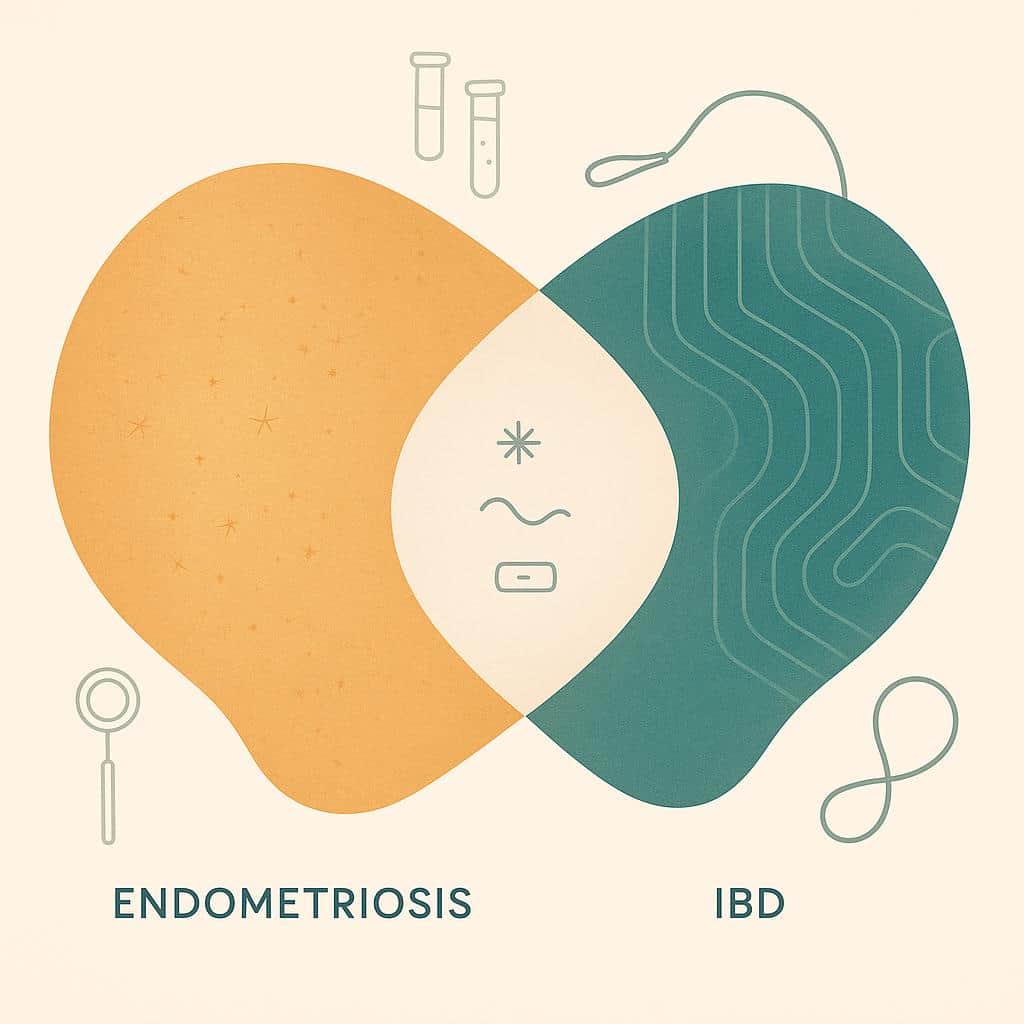
Endometriosis or Inflammatory Bowel Disease? The Key Differences
How endometriosis and inflammatory bowel disease differ and overlap. Symptoms, diagnostic challenges, epidemiology, treatment risks, and research gaps.