


You are seeking a diagnosis
Should I trust normal imaging if symptoms persist?
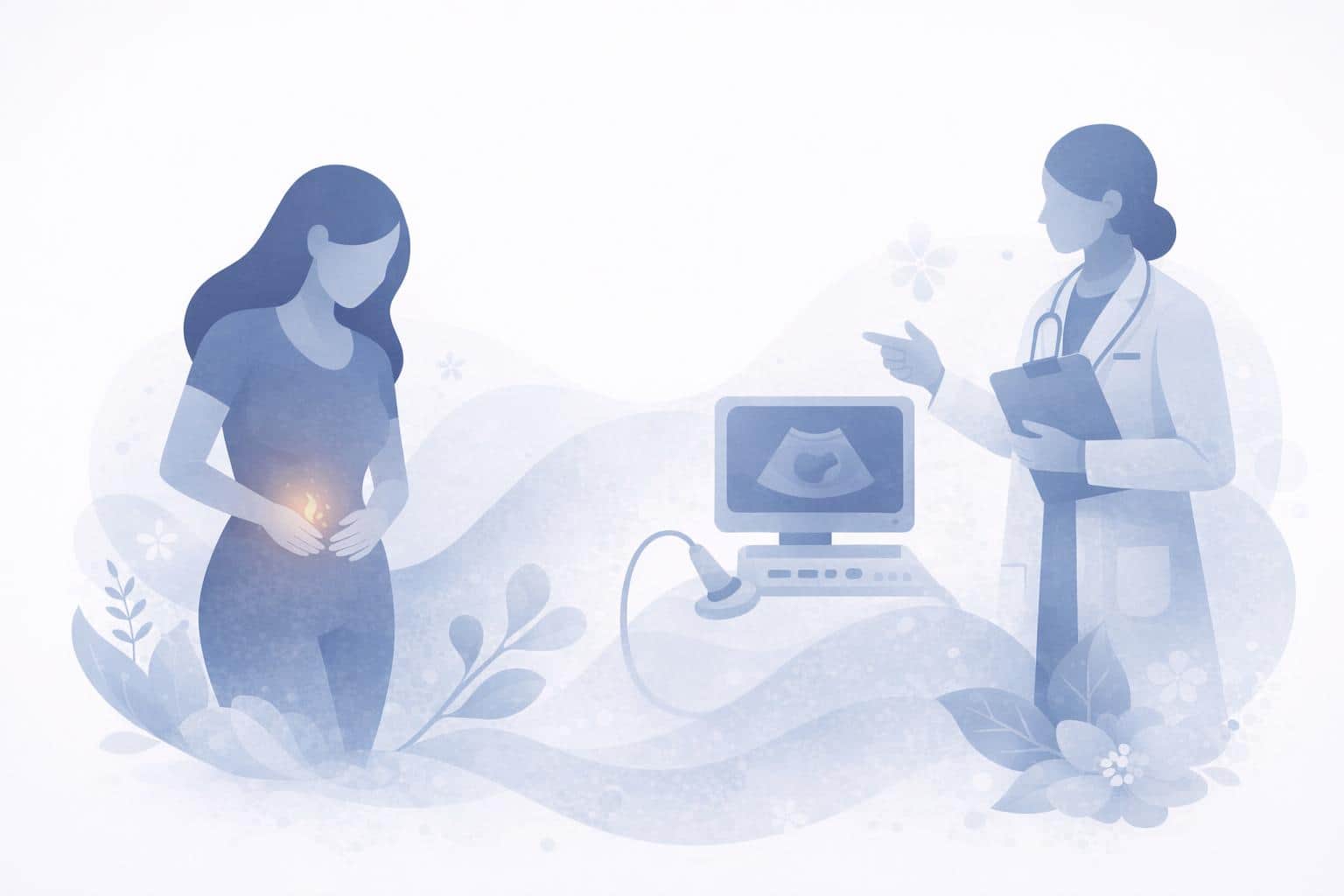
A “normal” ultrasound or MRI can be reassuring that certain problems weren’t seen, but it doesn’t automatically explain away ongoing symptoms. Endometriosis (and sometimes adenomyosis) can still be present even when imaging looks normal, because scans are better at detecting some patterns and locations than others—and accuracy can depend heavily on the protocol and the experience of the reader. Imaging is often more useful for estimating likelihood and mapping suspected disease than acting as a simple yes/no test.
When symptoms persist, we treat your story as the primary data: your flare timing, pain triggers, bleeding patterns, bowel/bladder symptoms, and how your symptoms evolve over time. We also look deliberately for conditions that can mimic or amplify endometriosis pain—like pelvic floor dysfunction, pelvic venous congestion, hernias, thyroid/PCOS overlap, gut dysbiosis, or nervous system sensitization—so the plan is based on what’s truly driving your symptoms. If you’re stuck with “everything is normal” but you don’t feel normal, reach out to schedule a consultation so our team can review your history, interpret your imaging in context, and map a clear next step.
Still hurting despite “normal” scans?
Normal imaging doesn’t rule out endometriosis or adenomyosis when symptoms persist. Our specialists can review your symptoms and imaging quality, and plan next diagnostic steps and treatment options.
Request an EvaluationRelated Symptoms
Related Procedures
Learn More

Can Scans and Tests Find Endometriosis? Know the Limits
Discover why ultrasounds may miss endometriosis. Learn about imaging limits and recent research in our latest blog. Find clarity in your diagnosis.

What Else Could It Be? Ruling Out Other Causes
Explore essential insights on endometriosis and other causes of pelvic pain. Learn about differential diagnoses and effective treatment options.
Are These Symptoms Endometriosis? Recognizing the Early Warnings
Learn how to identify early signs of endometriosis—crucial for timely diagnosis and treatment. Don't dismiss your symptoms!
Related Pages
Evaluation & Diagnosis
At the Lotus Endometriosis Institute, evaluation begins with listening. Our diagnostic process uncovers the true source of pain and related conditions often missed elsewhere.
Endometriosis & Adenomyosis Services
Explore comprehensive endometriosis and adenomyosis services, including advanced diagnosis, robotic excision surgery, and integrative care at Lotus Endometriosis Institute.
Endometriosis Glossary & Medical Definitions
This curated glossary breaks down the essential terms, concepts, and clinical language that you may encounter during your endometriosis care.