Surgery
What is recovery like after diaphragmatic endometriosis excision?
The short answer
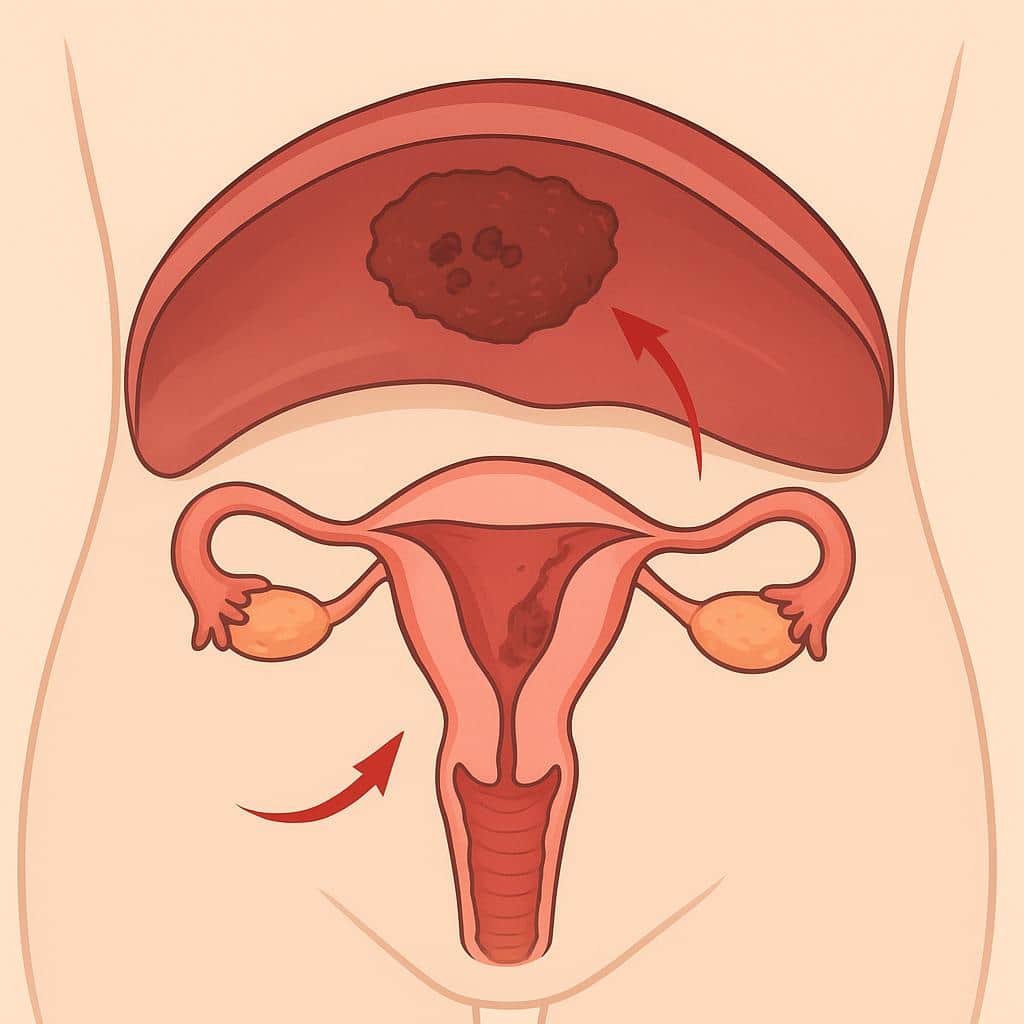
Most patients go home the same day or the next day after diaphragmatic excision, depending on the extent of surgery and how they feel. Temporary shoulder or upper abdominal discomfort is common, and recovery typically includes gentle deep-breathing, walking and a gradual return to normal activity.
Most patients go home the same day or the next day after diaphragmatic excision, depending on the extent of surgery and how you’re feeling. Temporary shoulder or upper abdominal discomfort is common afterward and can come from the gas used during laparoscopy and from work near the diaphragm.
Recovery usually focuses on protecting your breathing mechanics as you gradually get moving again. Gentle deep-breathing, walking, and a stepwise return to normal activity are typically part of the plan. At your follow-up, we’ll review your pathology results, track how your symptoms are changing, and talk through whether any additional therapy makes sense for long-term control. If pain with breathing, shortness of breath, or chest or shoulder symptoms feel out of proportion or aren’t improving, our team wants to know right away so we can guide next steps.
Where to go from here
Understand it, compare it with what you're feeling, then talk it through with us.
Understand
Understand the condition
Compare
Symptoms it can relate to
Speak with Us
Recover Strong After Diaphragm Surgery
We understand recovery can be challenging with discomfort and breathing adjustments. Our specialists guide you gently back to strength and normal activity after diaphragmatic excision.
Questions people ask next
All surgery questionsWhen can I exercise after diaphragmatic endometriosis surgery?
Most patients can start gentle walking very soon after diaphragmatic endometriosis surgery if it doesn’t worsen shoulder or chest pain or make deep breathing uncomfortable. Delay heavy lifting and high-impact workouts until your surgical team clears you.
How long is recovery after endometriosis excision surgery?
Most patients can do light, gentle activities within a few days after endometriosis excision surgery. Many people can return to typical day-to-day routines over the next several weeks, depending on the extent and locations of disease treated and their work.
How much time off work do I need after endometriosis surgery?
Most people need about 2–3 weeks off work after minimally invasive endometriosis excision, especially for a desk-based job with a gradual return. More complex surgery can extend that time, and your job duties help determine a realistic return-to-work plan.
What if my pain returns after endometriosis surgery?
Pain returning after endometriosis surgery doesn’t automatically mean surgery failed. Endometriosis left behind, new lesions or another condition can cause pain, and re-evaluation may guide medical management, pelvic floor treatment or a surgical second-look when appropriate.
Further reading
Life Beyond Endometriosis Surgery: Recovery & Well-Being
Your guide to endometriosis surgery recovery: healing tips, nutrition, mental health support, recurrence prevention, and planning for long-term wellness.
What to Expect Before, During, and After Endometriosis Surgery
Discover what to expect before, during, and after endometriosis surgery. Insights on pain relief, preparation, recovery from reliable recent research.
Diaphragmatic Endometriosis: Symptoms and Treatment Options
Learn what diaphragmatic endometriosis is, how it affects the diaphragm, key symptoms, causes, diagnosis options, treatments, and potential complications.