Deep Disease
Best long-term treatment for diaphragmatic endometriosis?
The short answer
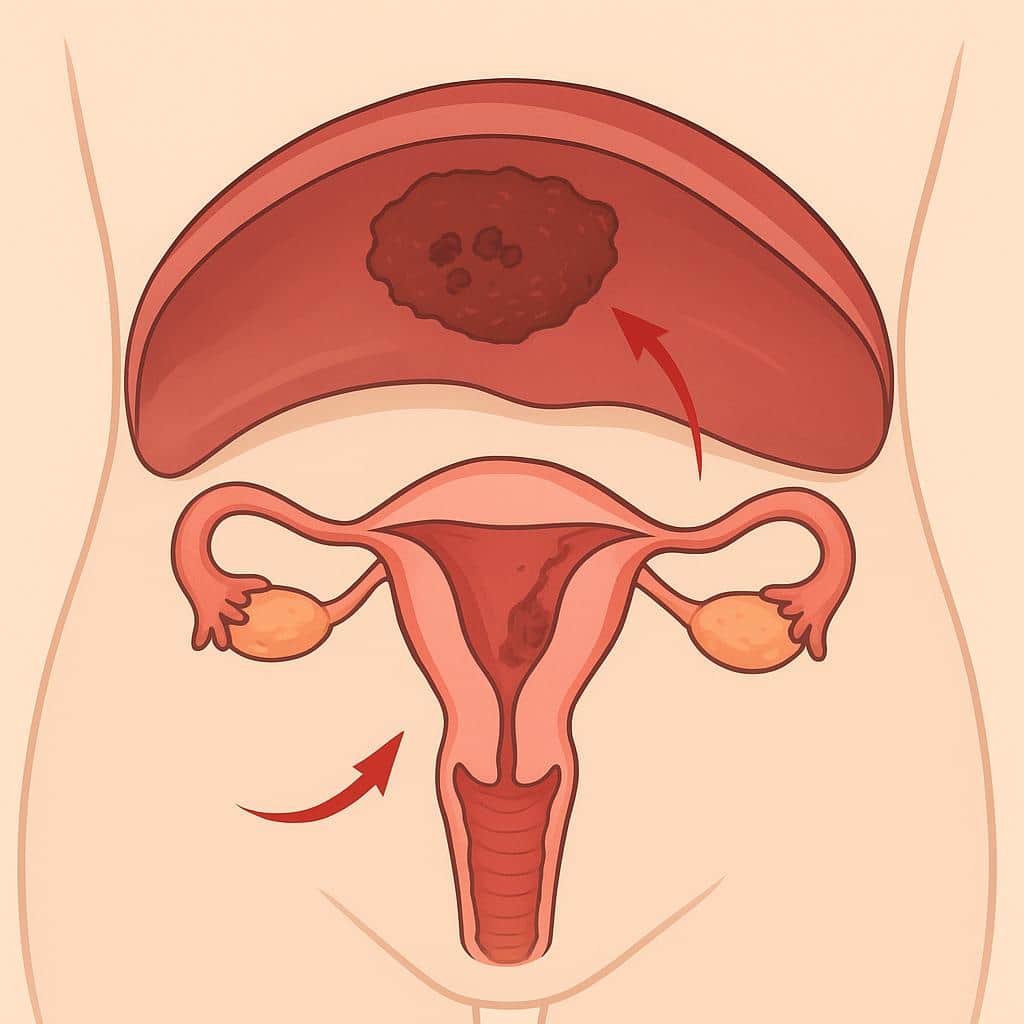
For many patients, complete excision by a surgeon with advanced experience in upper-abdominal endometriosis offers the most durable long-term relief for diaphragmatic endometriosis. Mapping before surgery and a tailored surgical plan are key to treatment success.
For many patients with endometriosis involving the diaphragm, the most durable long-term relief comes from complete excision of disease by a surgeon with advanced experience in upper-abdominal endometriosis. This approach is especially important when lesions are deep, symptoms are persistent or recurring, or quality of life is significantly affected.
Because diaphragmatic (and sometimes thoracic) endometriosis can be harder to see and access, success depends on careful preoperative mapping and a surgical plan tailored to your symptom pattern, imaging findings, fertility goals, and prior treatments. In some cases, the safest and most effective care means coordinating with other surgical specialists to address all areas of disease in one plan. Our team can help you understand what’s driving your chest or shoulder-area pain and whether excision is likely to provide meaningful, lasting improvement.
Where to go from here
Understand it, compare it with what you're feeling, then talk it through with us.
Understand
Understand the condition
Compare
Symptoms it can relate to
Speak with Us
Struggling with Diaphragmatic Endometriosis?
Our specialists excel in advanced excision techniques designed for deep diaphragmatic endometriosis. Let us create a personalized treatment plan to provide lasting relief and improve your quality of life.
Questions people ask next
All deep disease questionsCan medication manage diaphragmatic endometriosis, or is surgery needed?
Medication can help many patients manage diaphragmatic endometriosis symptoms, but it does not remove the disease. Surgery becomes more likely when pain continues despite medication, deeper nodules are suspected, or symptoms raise concern for chest involvement.
How is thoracic endometriosis treated?
Thoracic endometriosis is usually treated with hormonal suppression, surgery, or both, depending on symptoms, imaging findings, and recurrent chest events. Hormonal therapy aims to reduce cyclic disease activity, while surgery focuses on removing endometriosis and repairing affected areas.
When should I see an excision specialist for endometriosis?
You may benefit from an excision specialist if symptoms are severe, persistent, or complex, or if deeper disease is a concern. This also applies if you’re trying to conceive, imaging suggests an endometrioma or significant adhesions, or symptoms never fully improved after surgery.
Can endometriosis be cured or only put into remission?
Endometriosis doesn’t currently have a proven permanent cure, but many people can achieve major, lasting symptom improvement. Treatment typically aims for durable relief and disease control, which many patients describe as remission, while protecting long-term pelvic health.
Further reading
Diaphragmatic Endometriosis: Symptoms and Treatment Options
Learn what diaphragmatic endometriosis is, how it affects the diaphragm, key symptoms, causes, diagnosis options, treatments, and potential complications.
Preventing Endometriosis Recurrence After Surgery: What Helps?
Discover effective strategies to prevent endometriosis recurrence post-surgery. Learn about management options and warning signs. Get informed today!
Thoracic Endometriosis: Understanding Symptoms, Diagnosis, and Treatment Options
Chest pain or shortness of breath during your period? Thoracic Endometriosis Syndrome is a rare but serious condition often missed for years. Learn the signs.