Diagnosis
Which tests distinguish IBS from IBD and bowel endometriosis?
The short answer
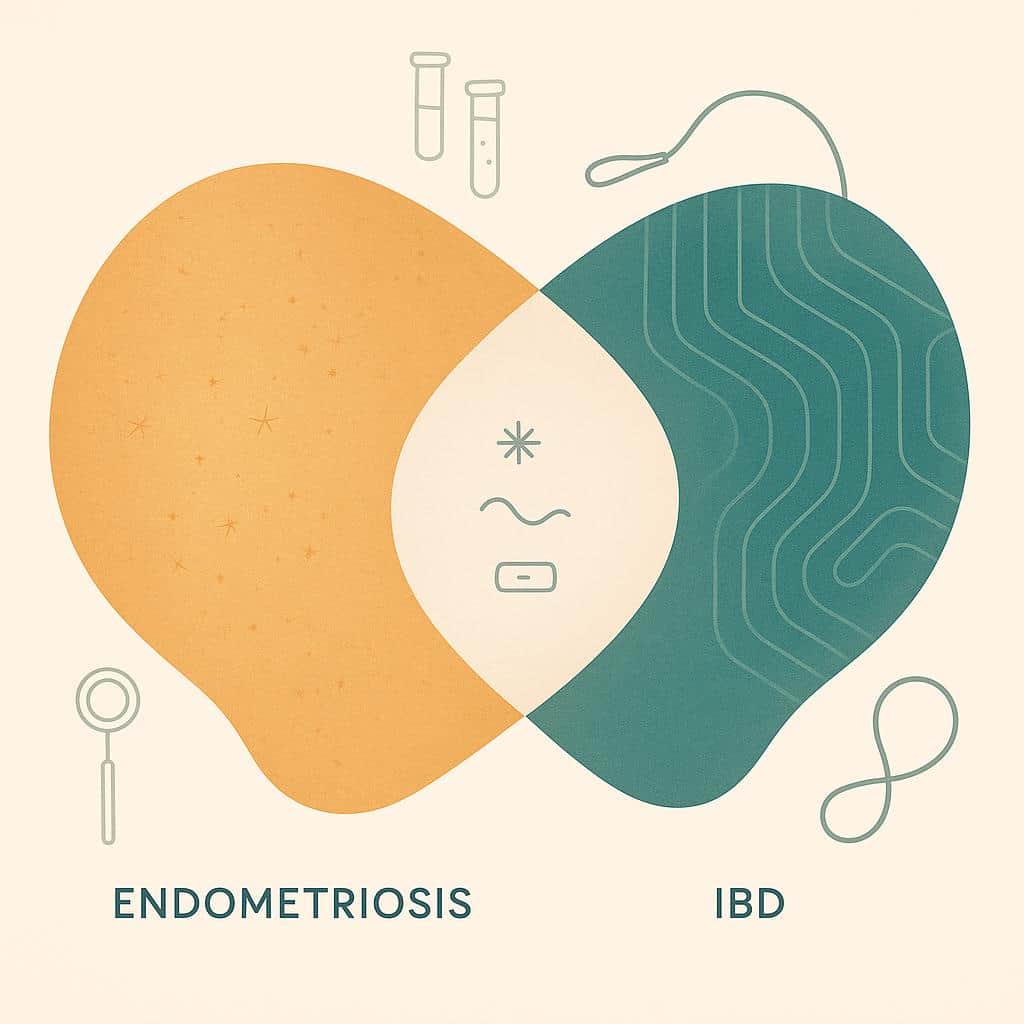
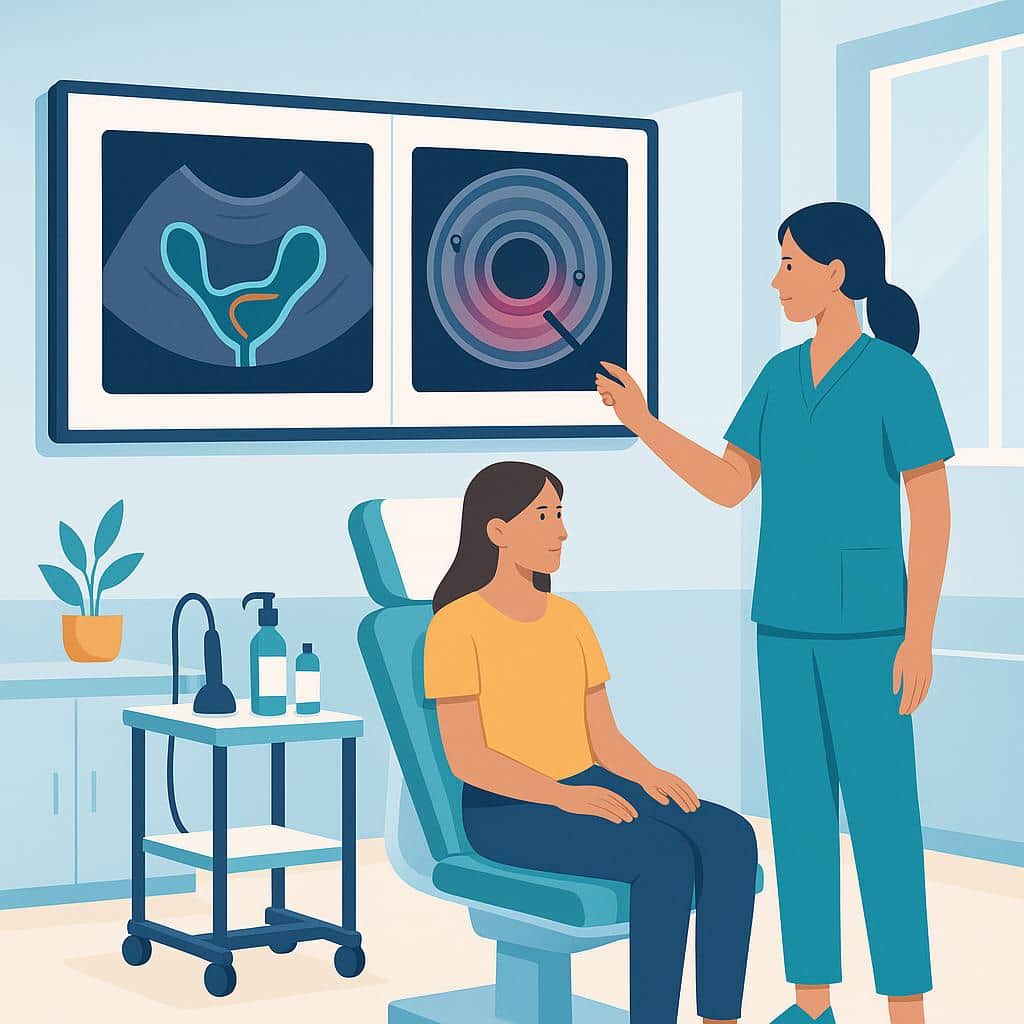
Stool calprotectin, CRP and a complete blood count can help distinguish IBD from IBS. Colonoscopy with biopsy is used to confirm IBD, while transvaginal ultrasound or pelvic MRI can help evaluate bowel endometriosis, which won’t reliably raise calprotectin or CRP.
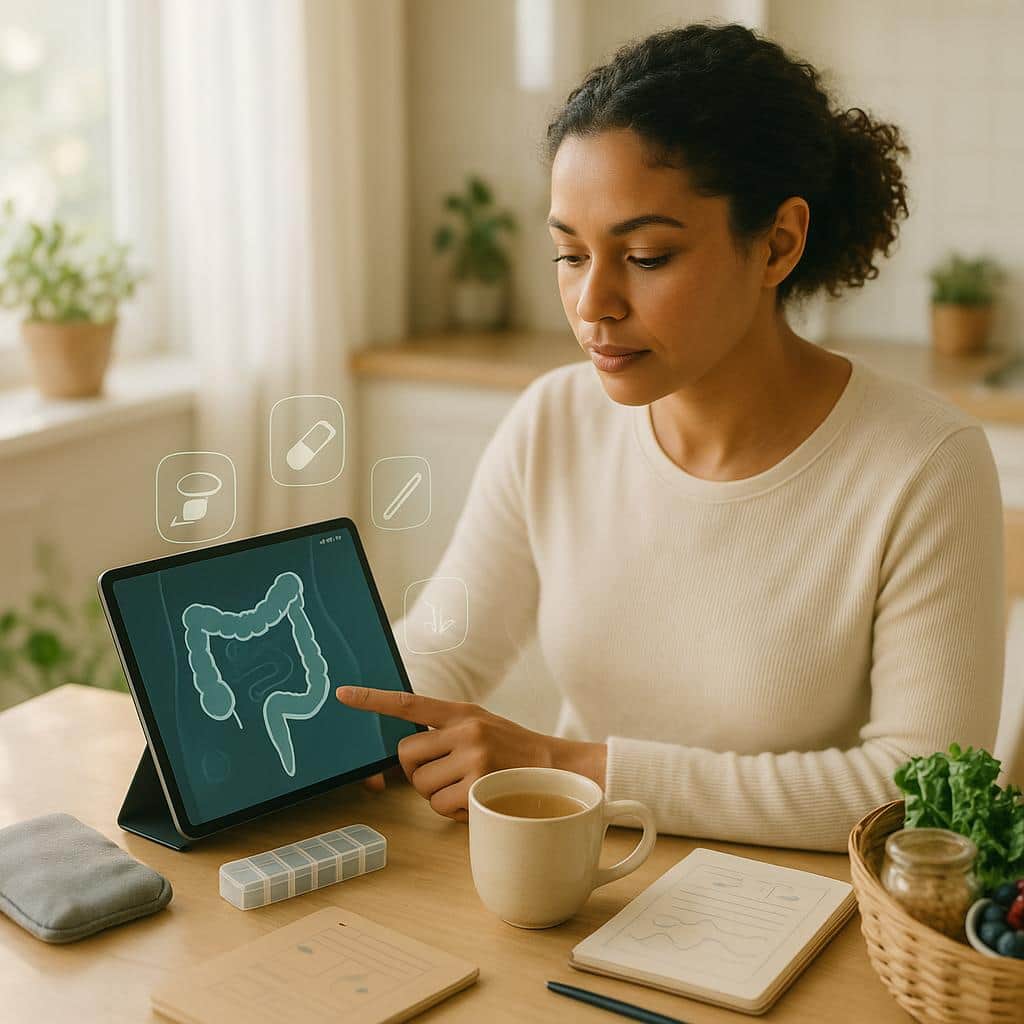
We often start by looking for objective signs of inflammation. Stool testing for fecal calprotectin and blood tests like C-reactive protein (CRP) and a complete blood count can help distinguish inflammatory bowel disease from conditions that don’t typically raise inflammatory markers. Elevated results support IBD and usually lead to colonoscopy with biopsy to confirm the diagnosis and define the type and extent of inflammation.
If inflammatory markers are normal but symptoms persist, IBS becomes more likely. But bowel endometriosis can look very similar and won’t reliably raise calprotectin or CRP. In that setting, targeted pelvic imaging such as transvaginal ultrasound or pelvic MRI can help evaluate for deep endometriosis involving the bowel. When Crohn’s disease is suspected beyond the reach of standard colonoscopy, MRI enterography is often used to assess the small bowel. Our team can help coordinate the right testing based on your symptom pattern.
Where to go from here
Understand it, compare it with what you're feeling, then talk it through with us.
Step 2 · Compare
Symptoms it can relate to
Step 3 · Speak with Us
Confused Between IBS, IBD, or Endometriosis?
Our specialists understand how overlapping symptoms can be confusing. We offer precise testing and expert diagnosis to guide your next steps with confidence.
Questions people ask next
All diagnosis questionsDo I need imaging or a colonoscopy for GI symptoms?
Imaging can be helpful for GI symptoms that are severe, persist despite treatment, or suggest deeper endometriosis near the bowel. Colonoscopy may be appropriate for signs of other GI conditions, such as rectal bleeding, unexplained anemia, or significant changes in bowel habits.
Normal colonoscopy but bowel symptoms—could it be endometriosis?
Yes, endometriosis can still be a real possibility even if your colonoscopy was normal. Colonoscopy mainly checks the bowel’s inner lining, but bowel endometriosis more often lives on the outside or in deeper layers, where it can still cause bowel symptoms.
Can imaging tell endometriosis from IBS or bladder pain?
Imaging can sometimes provide helpful clues, but it can’t reliably tell endometriosis apart from IBS or bladder pain on its own. Ultrasound or MRI can be normal despite significant symptoms, so results are interpreted alongside your symptom history and a targeted pelvic exam.
IBS vs IBD vs endometriosis: how can I tell the difference?
IBS often causes fluctuating bloating and bowel changes, while IBD is more likely with blood in the stool, fevers or weight loss. Endometriosis can mimic both, with clues like painful bowel movements, deep pelvic pain and bowel changes that worsen before or during your period.
Further reading
Endometriosis or Inflammatory Bowel Disease? The Key Differences
How endometriosis and inflammatory bowel disease differ and overlap. Symptoms, diagnostic challenges, epidemiology, treatment risks, and research gaps.
Bowel Endometriosis: Causes, Symptoms, and Treatment
Bowel endometriosis explained: locations, symptoms, causes, diagnosis and misdiagnosis, plus treatments from minimally invasive surgery to lifestyle changes.
Do You Need Two Ultrasounds Before Bowel Endometriosis Surgery?
How TVS (transvaginal) and ERUS (endorectal) map rectal endometriosis, guide bowel surgery planning, flag stenosis and risks, and who benefits.