
General
Who is at higher risk for endometriosis?
The short answer
Studies suggest endometriosis is more common in people whose periods started younger, who have shorter cycles, or who have heavy or prolonged bleeding. Family history can increase risk, and certain reproductive tract anomalies are linked to a higher likelihood.
Population studies suggest endometriosis is more common in people who had their first period at a younger age, have shorter menstrual cycles, or experience heavy or prolonged bleeding. A family history can also increase risk, which is one reason we take a detailed timeline of symptoms and family history during evaluation.
Certain reproductive tract (Müllerian) anomalies are also associated with a higher likelihood of endometriosis. Pregnancy or hormonal therapies may temporarily suppress symptoms for some people, but they don’t prevent endometriosis or eliminate the underlying disease. If your history fits these patterns and your symptoms are affecting your life, our team can help you clarify what’s driving them and discuss next steps, including definitive diagnosis and treatment options.
Where to go from here
Understand it, compare it with what you're feeling, then talk it through with us.
Speak with Us
Concerned About Your Risk?
If your periods started young or run heavy, you might be at higher risk for endometriosis. Our specialists can evaluate your symptoms and family history to guide you forward.
Questions people ask next
All general questionsIs endometriosis hereditary?
Yes, endometriosis can run in families, and having a parent or sibling with it raises your risk. But a family history does not guarantee you will develop endometriosis or reliably predict symptom severity, and many patients have no known family history.
How common is endometriosis?
Endometriosis is common, affecting about 1 in 10 people of reproductive age. Higher rates are seen among people being evaluated for infertility or chronic pelvic pain, and many patients live with it for years before getting a clear explanation for their pain.
Can endometriosis cause heavy menstrual bleeding?
Yes, endometriosis can be associated with heavy menstrual bleeding for some patients, but heavy flow is more strongly linked to uterine conditions, especially adenomyosis. Many people with endometriosis have a normal amount of bleeding but significant pain.
Why do endometriosis studies sometimes disagree?
Endometriosis studies can disagree because they include different forms of the condition, patient groups and prior treatments. Research teams may also use different diagnostic standards, measure different outcomes or follow patients for different lengths of time.
Further reading
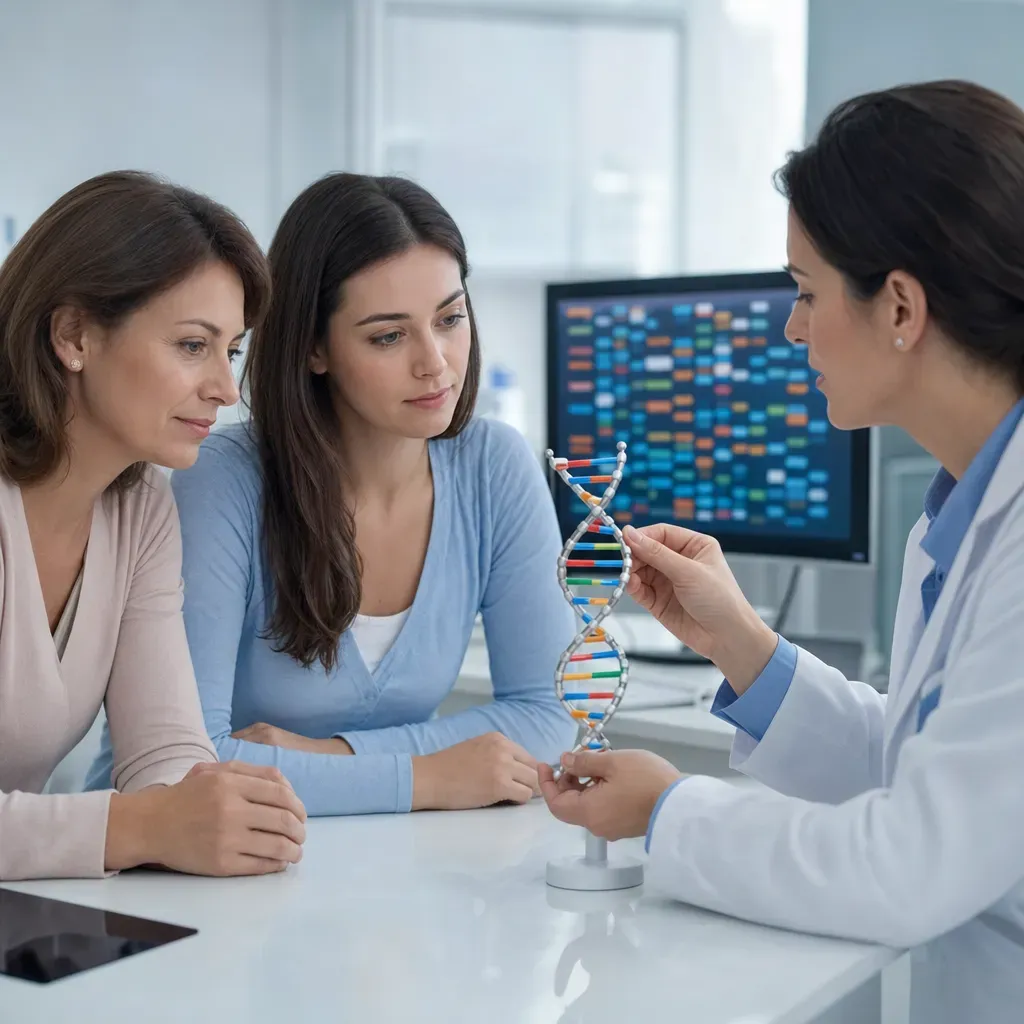
Genetic Insights Into Endometriosis
Learn how genetics shapes endometriosis (familial clustering, gene mapping, GWAS, and genomics) and what this means for diagnosis, treatment, and monitoring.
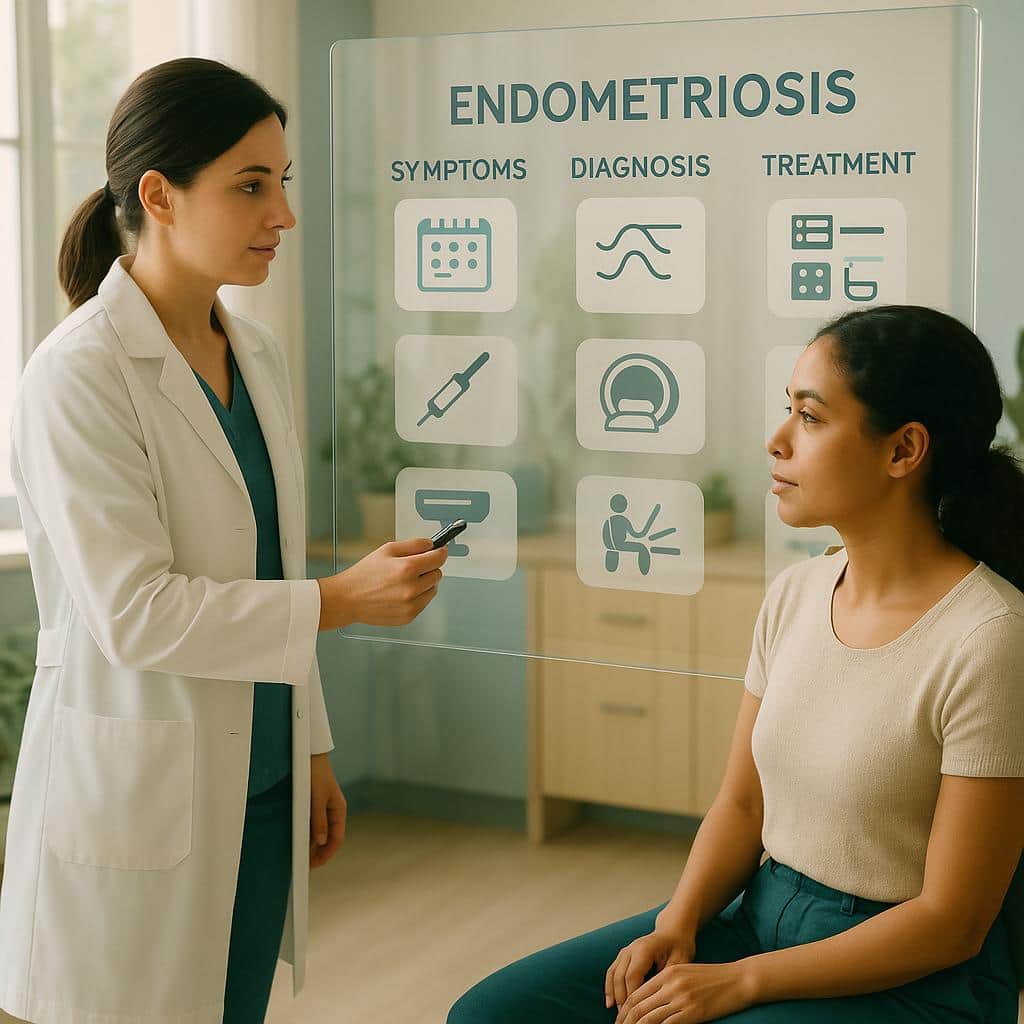
What Causes Endometriosis? Current Theories & Evidence
Learn what causes endometriosis, how it grows, diagnosis options, current treatments, and holistic strategies to reduce symptoms and recurrence.
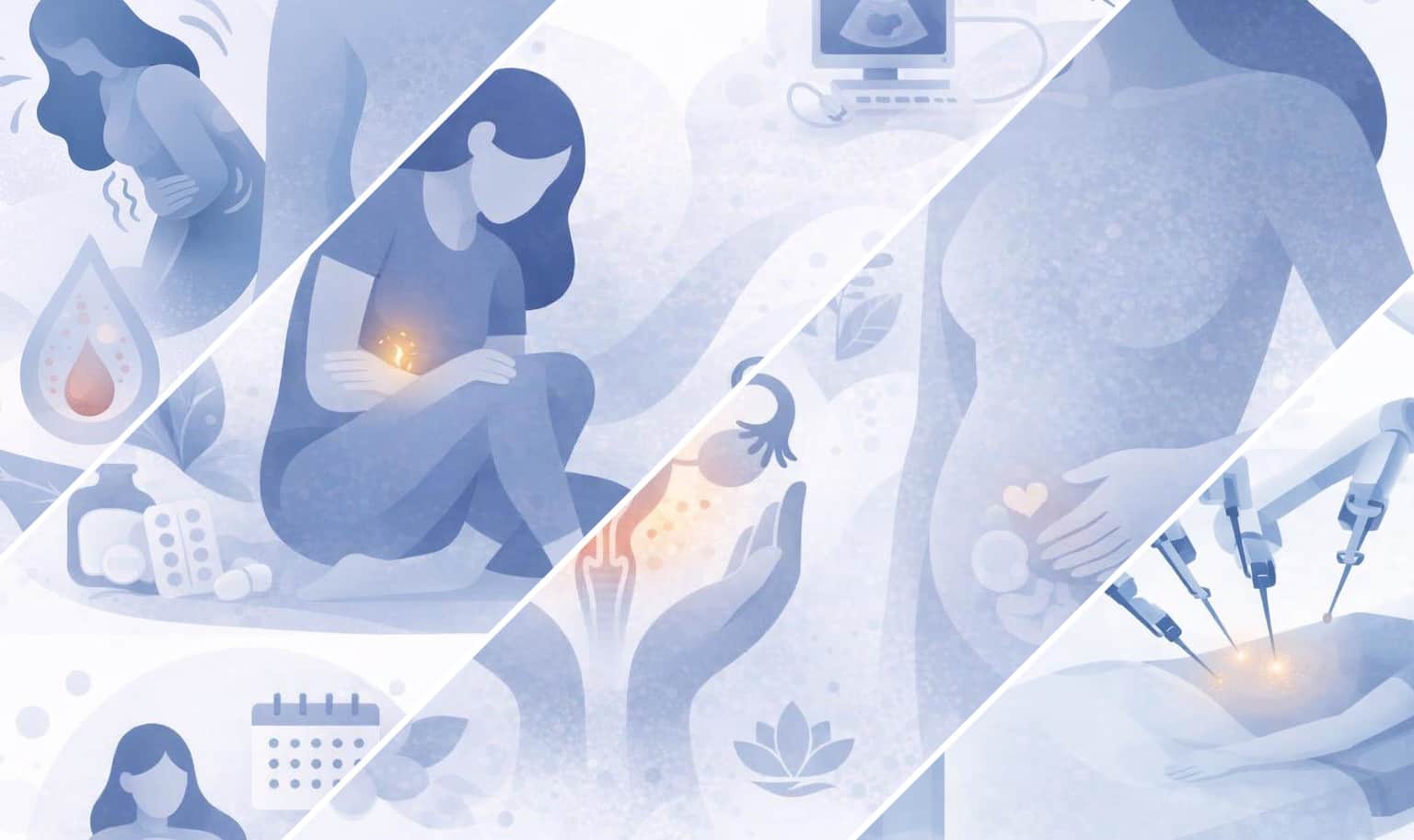
How to Recognize Endometriosis Symptoms
Recognize endometriosis: painful periods, GI and urinary symptoms, dyspareunia, infertility. Understand causes, complications, diagnosis, and medical/surgical treatment options.