General
Who is this website for?
The short answer
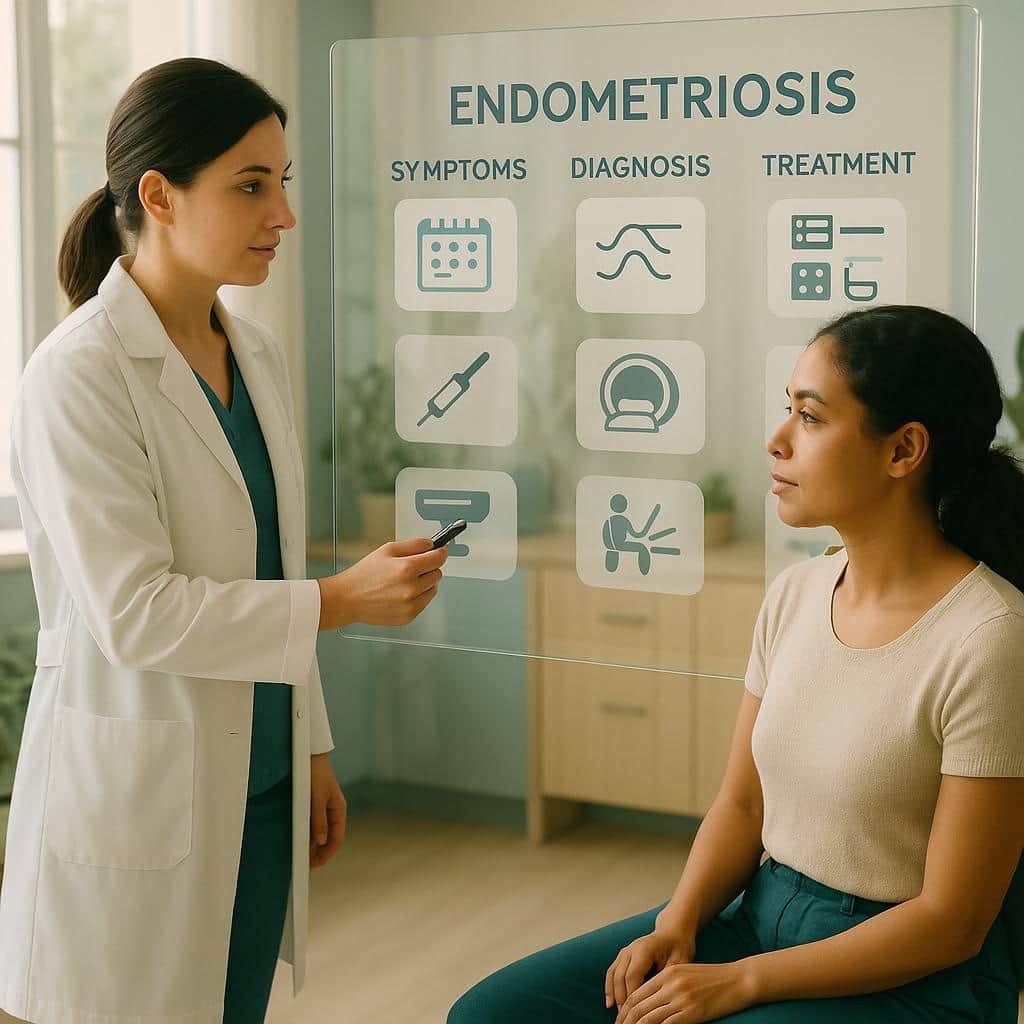
This website is for people seeking clear, trustworthy guidance about endometriosis, related gynecologic cancers, and other complex pelvic conditions. It is designed to help you understand symptoms, testing, and treatment pathways so you can make informed decisions about your care.
This website is for people seeking clear, trustworthy guidance about endometriosis, related gynecologic cancers, and other complex pelvic conditions. We created it to help you better understand symptoms, testing, and treatment pathways so you can make informed decisions about your care.
Many readers come here because they’re considering treatment with our team, but this information can also help anyone researching next steps or trying to make sense of a new (or long-delayed) diagnosis. If you’d like individualized guidance, you’re welcome to contact us to schedule a consultation so we can review your history and goals together.
Where to go from here
Understand it, compare it with what you're feeling, then talk it through with us.
Compare
Symptoms it can relate to
Speak with Us
Unsure About Your Symptoms?
We understand how confusing pelvic pain and symptoms can be. Our specialists provide clear guidance on diagnosis and treatment options for endometriosis and related conditions.
Questions people ask next
All general questionsHow can I tell if I might have endometriosis?
Common clues to endometriosis include painful periods that disrupt life, pelvic pain between periods, pain with sex, and bowel or bladder symptoms that flare with your cycle. Symptoms alone can be hard to interpret, and ultrasound or MRI can't rule it out.
How do I know if online endometriosis advice is evidence-based?
Evidence-based endometriosis advice usually points to peer-reviewed research, explains what is known and uncertain, and describes benefits and risks. Be wary of promises to cure everyone, absolute language, or testimonials presented as proof.
How do I tell endometriosis from IBS, IC, or pelvic floor dysfunction?
Timing is a key clue: endometriosis symptoms may flare around periods, ovulation, or deep penetrative sex. IBS is more linked to meals and stress; IC commonly causes urinary symptoms with negative urine cultures, while pelvic floor dysfunction tends to cause muscle spasm and pain with sitting.
Which cancers are linked to endometriosis, and how strong is the evidence?
The strongest and most consistent evidence shows an association between endometriosis and clear cell and endometrioid ovarian cancers. The risk increase is relative to people without endometriosis, and most patients with endometriosis will never develop cancer.
Further reading
How to Recognize Endometriosis Symptoms
Recognize endometriosis: painful periods, GI and urinary symptoms, dyspareunia, infertility. Understand causes, complications, diagnosis, and medical/surgical treatment options.
Trusting Instagram With Your Endometriosis Care
Explore how to navigate Instagram for endometriosis and adenomyosis support while ensuring you receive accurate and trustworthy health information.
What Else Could It Be? Ruling Out Other Causes
Explore essential insights on endometriosis and other causes of pelvic pain. Learn about differential diagnoses and effective treatment options.