Symptoms
Why are my menstrual cramps getting worse over time?
The short answer
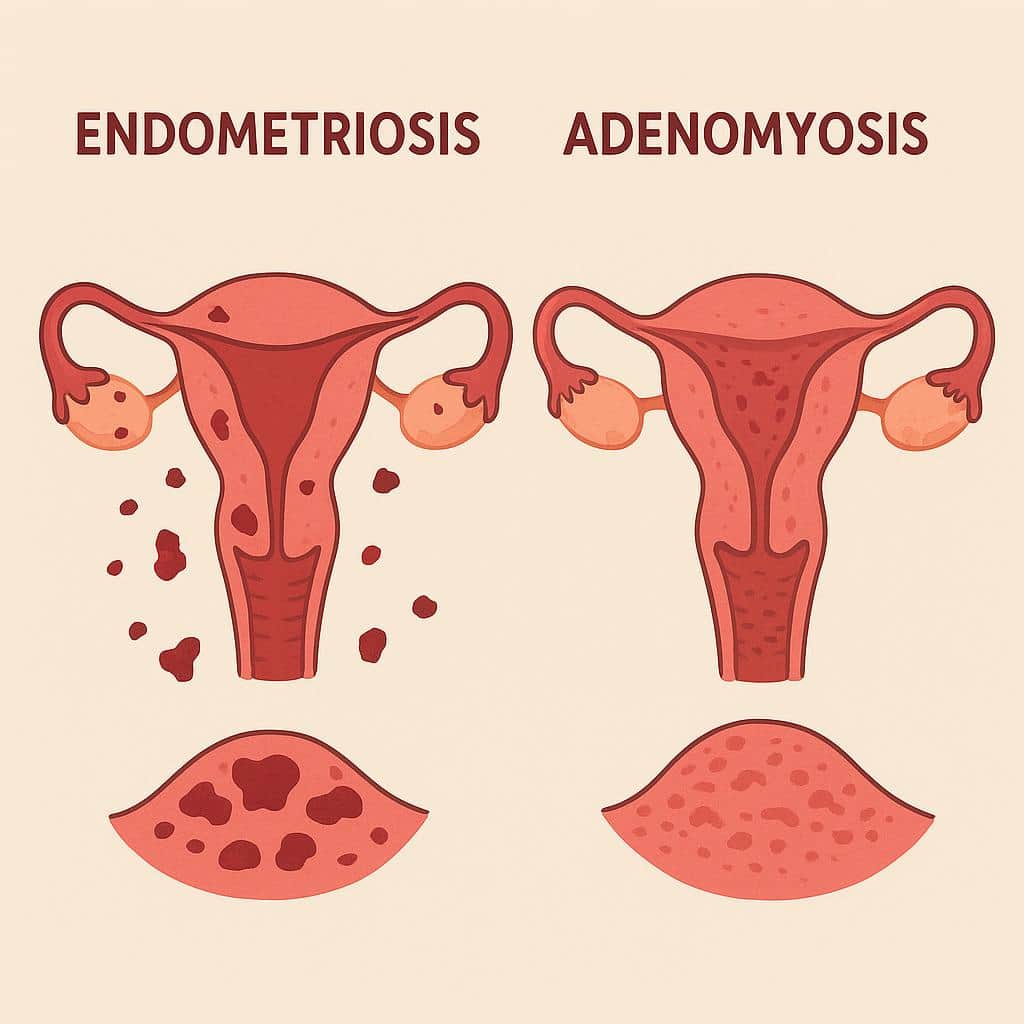
Menstrual cramps that worsen over time can be a sign that an underlying condition is progressing. Inflammation and scarring from endometriosis can intensify pain, while adenomyosis can lead to heavier, more painful periods.
When period cramps worsen over time, it can be a sign that an underlying condition is progressing rather than simply normal cramps. With endometriosis, ongoing inflammation and scarring can intensify pain and irritate pelvic nerves, which may make cramps feel sharper and less responsive to typical medications. With adenomyosis, changes within the uterine muscle can lead to heavier, more painful periods and a deep, aching cramp that can gradually worsen.
Because symptoms can evolve, worsening cramps are a meaningful reason to reassess what’s driving your pain and whether your current plan still fits. Our team can help evaluate patterns like increasing severity, pain spreading into the pelvis or abdomen, and how symptoms relate to bleeding or daily function. If you’re noticing a clear trend toward worse pain cycle after cycle, reaching out for a consultation is an important next step.
Where to go from here
Understand it, compare it with what you're feeling, then talk it through with us.
Compare
Symptoms it can relate to
Speak with Us
Worsening cramps? Get answers now.
If your period pain is getting worse, it may signal more than just normal cramps. Our specialists can identify underlying causes like endometriosis or adenomyosis and create a tailored treatment plan to ease your pain.
Questions people ask next
All symptoms questionsCan endometriosis pain worsen over time without a diagnosis?
Yes, endometriosis pain can worsen over time without a diagnosis, even when prior testing or imaging is unrevealing. Ongoing inflammation, scarring, nerve irritation or a more sensitive nervous system can make pain deeper, more constant or easier to trigger.
Are painful periods normal or a sign of endometriosis?
Mild period cramping can be common, but endometriosis and adenomyosis are two common causes of intense period pain. Severe, worsening, or disabling pain, especially when it keeps you home from school or work, is a signal to look deeper.
When is adenomyosis more likely than endometriosis?
Adenomyosis often rises to the top of the list when periods are heavy and painful, with deep, crampy uterine pain that can linger between cycles. An enlarged, tender uterus or certain ultrasound or MRI findings may support it, but endometriosis can also be present.
Further reading
Endometriosis and Adenomyosis: How They Drive Pelvic Pain
Compare endometriosis and adenomyosis: similarities, differences in location and prevalence, diagnosis methods, and treatment options for pelvic pain.
Why Your Endometriosis Pain Can Feel So Unrelenting
Discover why endometriosis causes pain and scarring. Learn about TGF-β signaling and its role in symptoms and treatment. Empower your health journey.
Do My Symptoms Mean Adenomyosis or Endometriosis?
Discover the truth about endometriosis and adenomyosis symptoms. Understand how common they really are, and gain insights for effective advocacy.