Symptoms
Why do my symptoms vary so much day to day?
The short answer
With endometriosis and adenomyosis, hormone shifts, inflammation flares and physical activity can make symptoms vary from day to day. Bowel or bladder pressure, stress and poor sleep can also make symptoms feel more intense.
Day-to-day symptom swings are very common with endometriosis and adenomyosis. Hormonal shifts across your cycle can change how sensitive pelvic tissues and nerves feel, and inflammation can flare even when nothing obvious has changed. What you do physically (standing, exercise, lifting, sex, or long days without rest) can also amplify symptoms one day and feel tolerable the next.
Your bowel and bladder can play a major role in symptom swings, since constipation, diarrhea, gas, or a fuller bladder can increase pressure and irritation in the pelvis. Stress and poor sleep can further lower your pain threshold and make symptoms feel more intense. If this unpredictability is disrupting your life, our team can help you map patterns, rule out overlapping pain drivers, and discuss treatment options aimed at more consistent relief, starting with a consultation.
Where to go from here
Understand it, compare it with what you're feeling, then talk it through with us.
Step 3 · Speak with Us
Understand Your Symptom Swings
Your symptoms can change daily due to hormones, inflammation, and physical activity. Our specialists help pinpoint triggers and tailor strategies to manage your pain effectively.
Questions people ask next
All symptoms questionsWhy does pain worsen in certain positions or times in my cycle?
Pain in certain positions often points to pressure or stretching of sensitive pelvic structures. Cycle-related flares can reflect hormone-driven inflammation and tissue changes, with many patients noticing worse symptoms around ovulation or before a period.
What does an endometriosis flare feel like?
An endometriosis flare typically feels like a noticeable spike in pain, such as deep pelvic cramping, pressure or sharp, stabbing pains. It may also include bloating, low back or leg pain, painful bowel movements or urination, fatigue and nausea.
Why does pain worsen with stress or poor sleep?
Stress and poor sleep can worsen endometriosis-related pain by making your nervous system more reactive to discomfort. Sleep loss lowers pain tolerance, while stress hormones and muscle tension can amplify pain and feed a flare cycle.
How can I manage flare days at home?
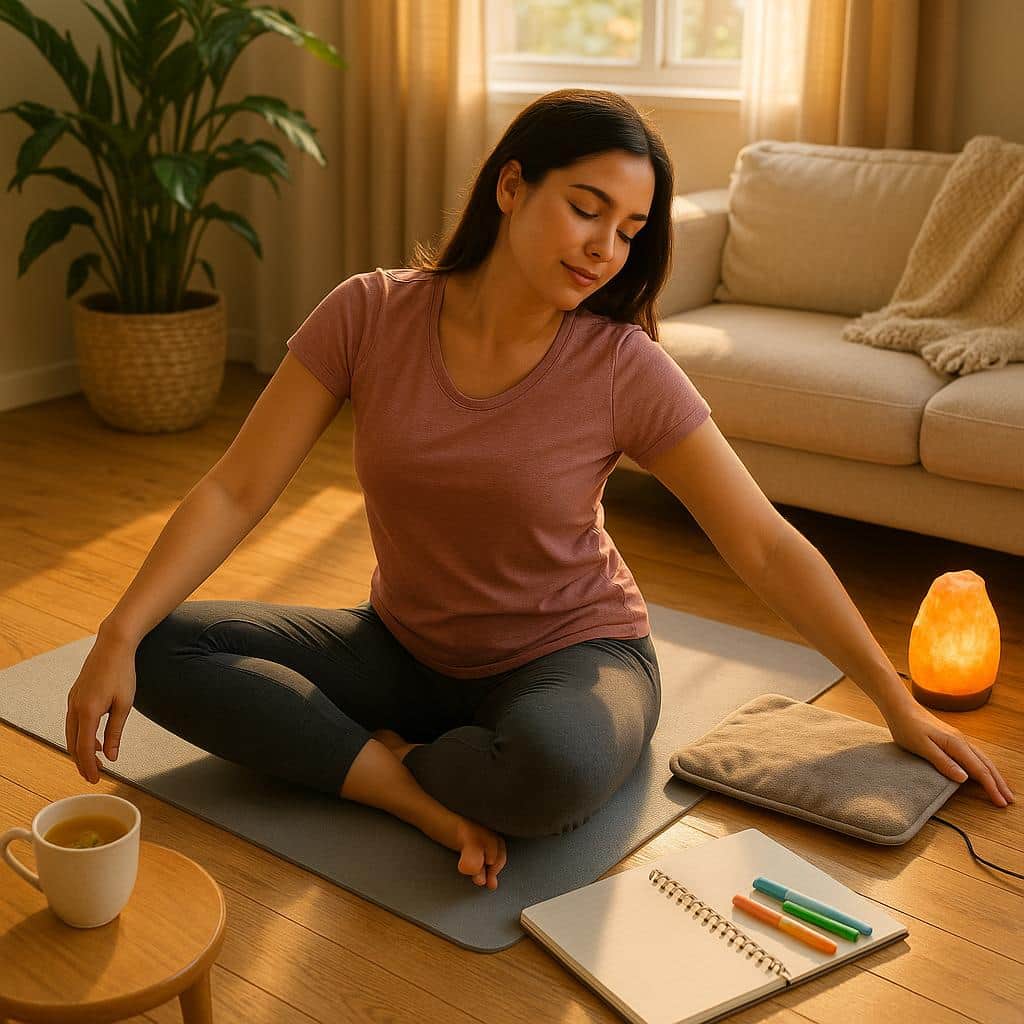
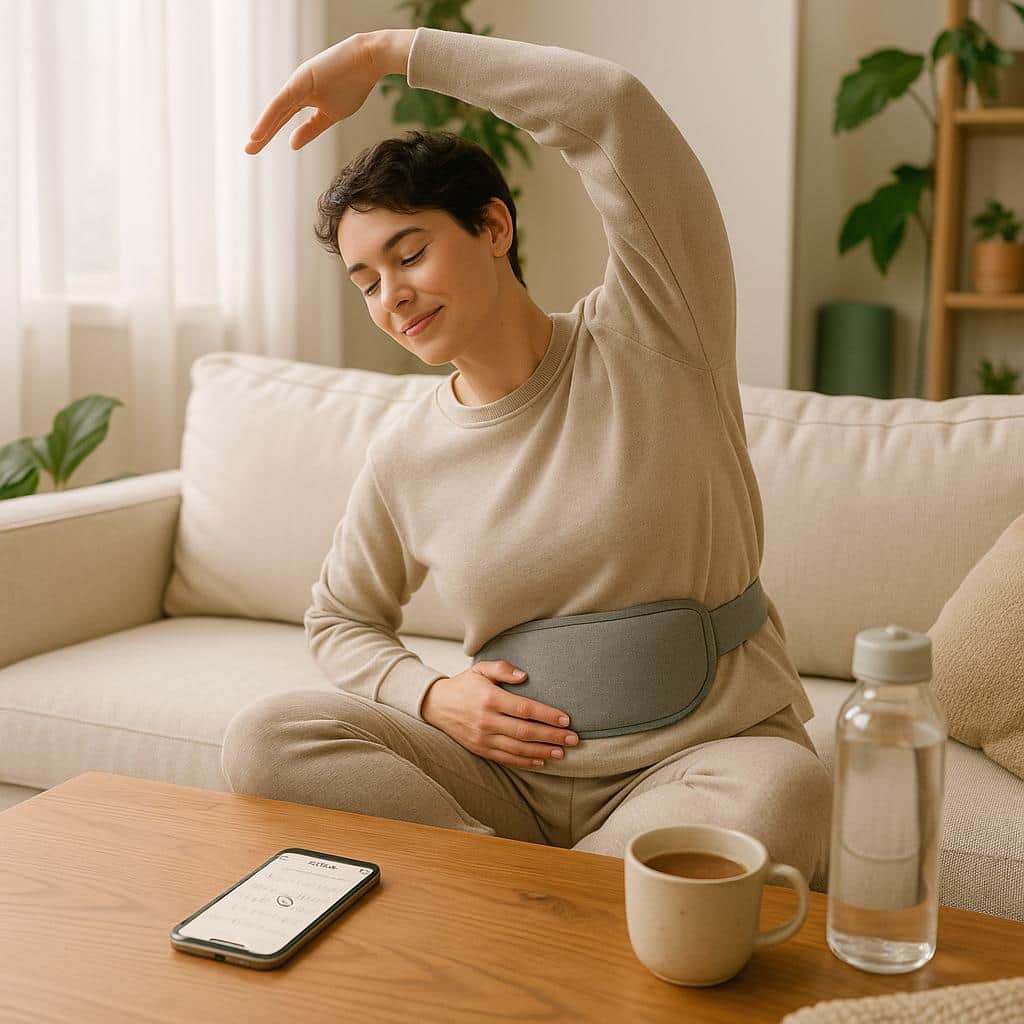
Heat, a TENS unit, and planned rest with pacing can help take the edge off flare-day pain, especially with gentle movement instead of complete immobilization. Many patients also find pelvic floor relaxation reduces clenching that can amplify cramping and pressure.
Further reading
Holistic Tools That Actually Help Endometriosis Pain
Explore effective holistic tools that aid in managing endometriosis pain alongside conventional treatments. Discover reliable strategies today.
Endometriosis Ovulation Pain: Impact and Relief Tips
Learn what ovulation pain feels like with endometriosis, how long it lasts, common symptoms like nausea and mittelschmerz, and evidence-based coping strategies.
Why Your Endometriosis Pain Can Feel So Unrelenting
Discover why endometriosis causes pain and scarring. Learn about TGF-β signaling and its role in symptoms and treatment. Empower your health journey.