


You suspect you may have endometriosis or adenomyosis
Why does endometriosis pain come in waves?
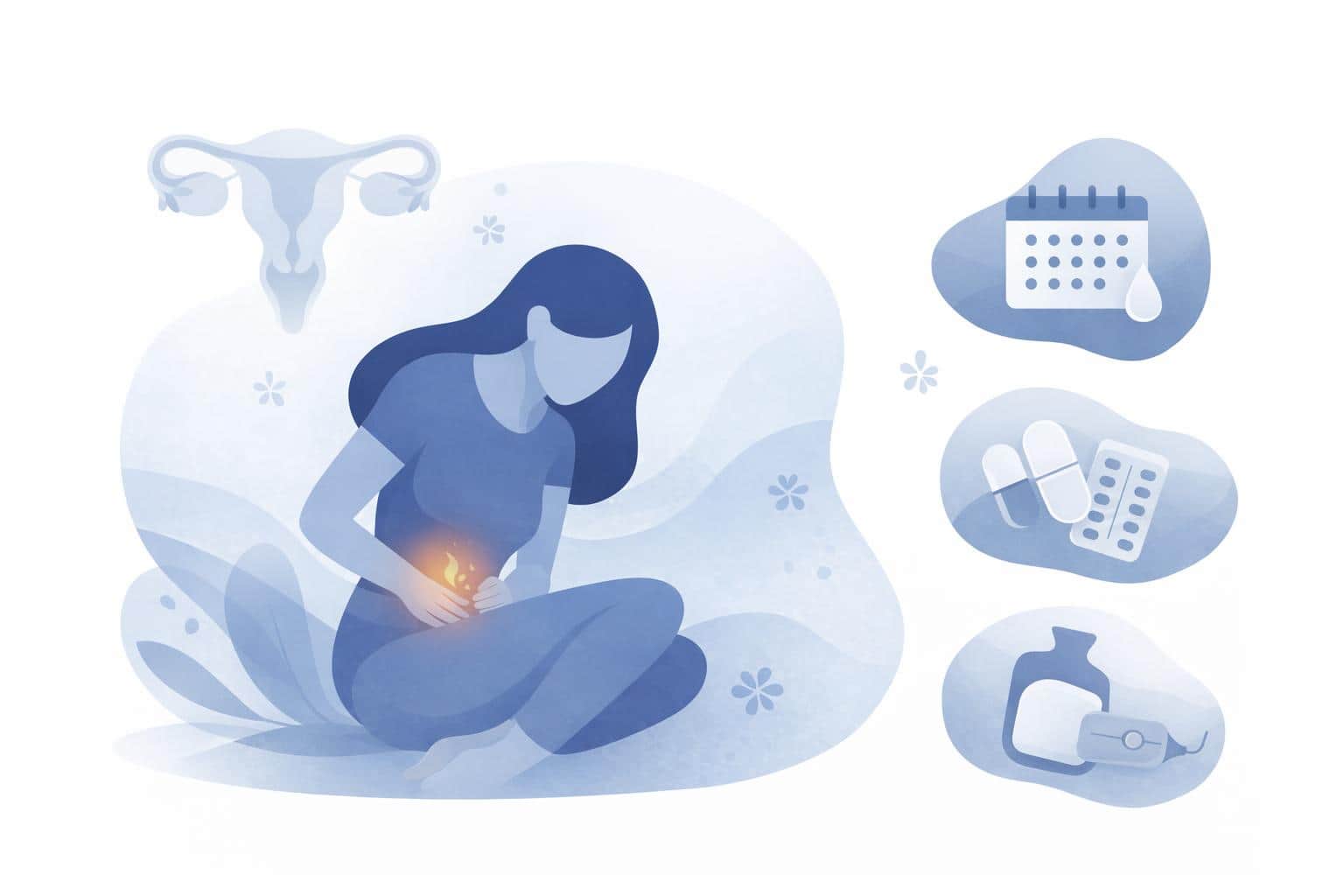
Endometriosis pain often comes in waves because the drivers of pain aren’t constant—your body is responding to changing inflammation, hormone signaling, and tissue irritation over the cycle and even day to day. Lesions can behave like “active wounds,” creating bursts of inflammatory chemicals that sensitize nearby nerves, so a trigger that feels manageable one day can feel overwhelming the next. If adhesions or fibrosis are involved, organs may tug or feel “stuck” with certain movements, bowel/bladder filling, sex, or exercise, creating flares that rise and fall rather than steady pain.
Waves can also happen because the nervous system can become more reactive over time (often called central sensitization). When pain pathways are repeatedly activated, the brain and spinal cord may start amplifying signals, so normal sensations can register as pain and flares can spread beyond the original area. This is one reason pain severity doesn’t always match what imaging shows or even what someone has been told about “stage.” If your pain pattern is changing—becoming more constant, spreading, or linking to bowel/bladder symptoms—our team can help you sort out what’s likely lesion-driven, adhesion-related, pelvic floor-related, or nervous-system-driven and build a plan that targets the source, not just the flare.
Your pain isn’t “in your head.”
Endometriosis pain can surge and fade with shifting inflammation, hormone signals, and nerve sensitivity. Our specialists can evaluate your wave-like flares and build a plan to reduce triggers, manage symptoms, and confirm what’s causing them.
Schedule a consultRelated Procedures
Learn More

Why Your Endometriosis Pain Can Feel So Unrelenting
Discover why endometriosis causes pain and scarring. Learn about TGF-β signaling and its role in symptoms and treatment. Empower your health journey.
Different Types of Endometriosis Pain Explained
Explore types of endometriosis pain, evaluation, and evidence-based treatments, including triggers, pelvic floor therapy, CNS sensitization, and adenomyosis.

Why Your Endometriosis Pain Isn’t “Just Pain”
Explore why endometriosis pain affects your life deeply. Learn about research on pain severity, psychological impact, and effective management strategies.
Your Symptoms May Point to a Specific Endometriosis “Type”
Discover how your symptoms may reveal a specific endometriosis type. Learn about phenotypes and adenomyosis in our latest research article.
Related Pages
Endometriosis
Endometriosis isn't just one disease — it's many. Our team tailors our approach to your unique condition, using evidence-based integrative support and world-class excision for lasting results.
Pain Management
Learn how evidence-based pain management for endometriosis can provide real relief while addressing root causes through integrative care.
Evaluation & Diagnosis
At the Lotus Endometriosis Institute, evaluation begins with listening. Our diagnostic process uncovers the true source of pain and related conditions often missed elsewhere.