Symptoms
Why do I have chronic fatigue and pelvic pain?
The short answer
Chronic fatigue and pelvic pain can come from endometriosis, adenomyosis, or more than one condition. Inflammation, disrupted sleep, heavy bleeding and ongoing pain can drive fatigue, while the nervous system can become more pain-sensitive over time.
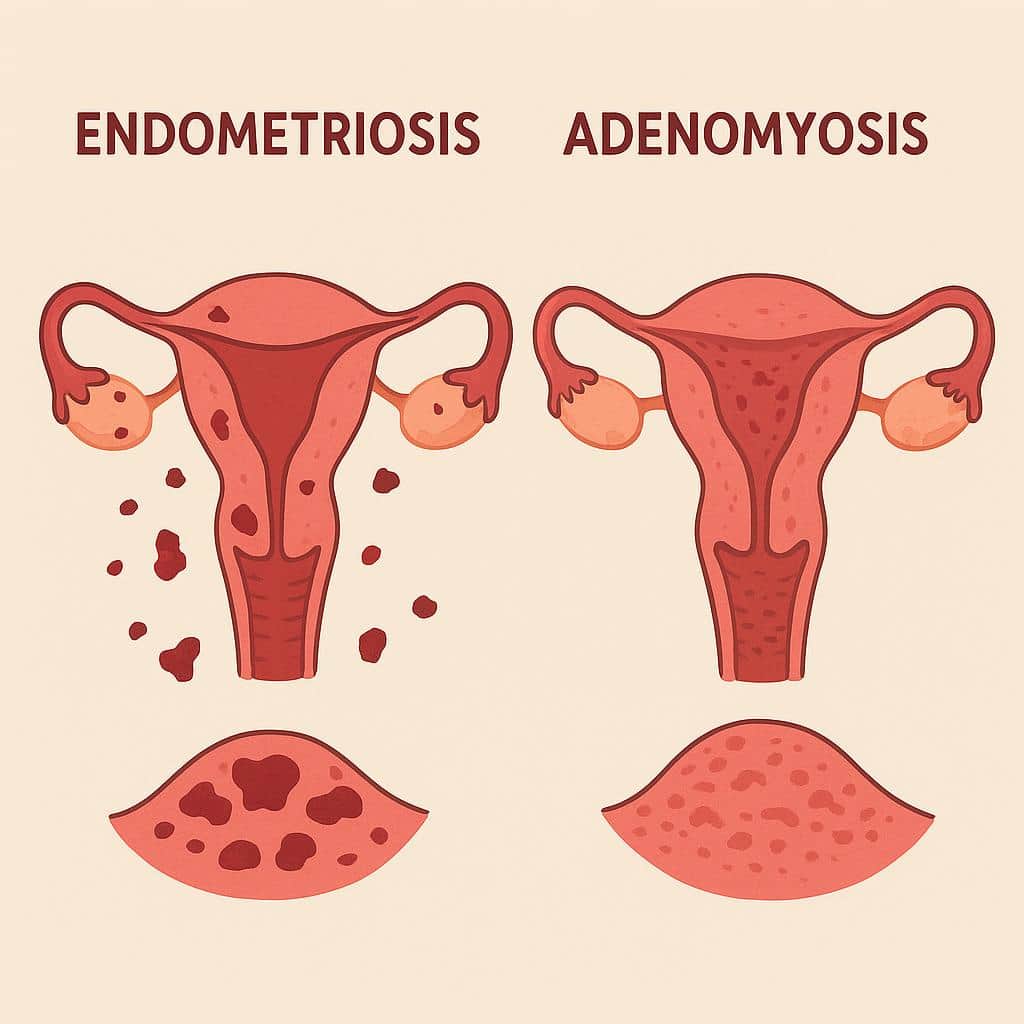
Chronic fatigue and pelvic pain often feel unexplainable because they’re rarely caused by just one issue, and many of the most common drivers don’t show up on routine labs or a quick ultrasound. Endometriosis and adenomyosis can cause persistent pelvic pain, painful periods, bowel and bladder symptoms, and deep fatigue through inflammation, disrupted sleep, heavy bleeding (and possible iron deficiency), and the sheer energy cost of living with ongoing pain. It’s also common for more than one gynecologic condition to coexist, including fibroids, polyps, or benign cysts, so a single label may not fully capture what you’re experiencing.
Another reason symptoms can persist is that the nervous system can become more pain-sensitive over time, often called central sensitization. This means pain can spread, linger outside your cycle, or feel disproportionate to what imaging shows. In those cases, symptom relief alone can miss the bigger picture: we think in terms of both treating disease (for example, addressing endometriosis lesions or uterine drivers like adenomyosis or fibroids) and building a personalized pain-management plan so your body can turn down the volume on pain signals.
If your fatigue and pelvic pain have been brushed off or left without a clear plan, our team can help you sort through the likely contributors, including endometriosis, adenomyosis, and common coexisting conditions, and map out next steps that fit your goals. You can explore our educational resources on fatigue, chronic pelvic pain, and comprehensive treatment approaches, and reach out to schedule a consultation when you’re ready.
Where to go from here
Understand it, compare it with what you're feeling, then talk it through with us.
Step 3 · Speak with Us
Tired of Unexplained Pain?
Chronic fatigue and pelvic pain can signal complex issues like endometriosis and adenomyosis. Our specialists can help identify the root causes and guide you toward relief.
Questions people ask next
All symptoms questionsWhat causes severe fatigue?
With endometriosis or adenomyosis, severe fatigue can come from inflammation, pain that keeps your nervous system on high alert, interrupted sleep, and stress hormones that stay elevated. These can drain your energy and leave you feeling deeply exhausted.
Is pelvic pain always caused by endometriosis or adenomyosis?
No, pelvic pain is not always caused by endometriosis or adenomyosis. Other causes can include pelvic floor dysfunction, bladder pain syndrome, bowel disorders, fibroids, ovarian cysts or infections, and more than one issue can be present at the same time.
Does adenomyosis cause fatigue differently than endometriosis?
Yes, fatigue can show up differently: heavy bleeding with adenomyosis can lead to iron deficiency or anemia, while endometriosis fatigue is often tied to chronic pain, poor sleep, and inflammation. Many patients have both conditions, so fatigue can have multiple causes.
Why does endometriosis cause fatigue?
Endometriosis can cause fatigue through ongoing pain, disrupted sleep and chronic inflammation. Heavy or prolonged bleeding can contribute to iron deficiency and anemia, while hormone changes and sometimes hormonal treatment side effects can add to exhaustion.
Further reading
Endometriosis Fatigue : A Practical Guide to Relief
Understand why endometriosis drains energy (chronic pain, hormones, poor sleep, anemia, inflammation) and get practical tips for fatigue, pain, stress, and daily function.
Endometriosis and Adenomyosis: How They Drive Pelvic Pain
Compare endometriosis and adenomyosis: similarities, differences in location and prevalence, diagnosis methods, and treatment options for pelvic pain.
What Else Could It Be? Ruling Out Other Causes
Explore essential insights on endometriosis and other causes of pelvic pain. Learn about differential diagnoses and effective treatment options.