Treatment Challenges
Why is endometriosis often misdiagnosed?
The short answer
Endometriosis is often misdiagnosed because its symptoms can look like other conditions, and the bigger pattern can be missed. Limited clinician training, dismissed symptoms, and care split among specialists can lead to tunnel vision and delayed answers.
Endometriosis is often misdiagnosed because its symptoms can resemble those of many other conditions, including gastrointestinal, urinary, musculoskeletal, and gynecologic problems. When pain, bloating, urinary urgency, or bowel changes are evaluated one system at a time, it’s easy to miss the bigger pattern.
Misdiagnosis is also common because many clinicians receive limited training in recognizing endometriosis in its many forms, and patients are too often dismissed or told their symptoms are normal. When care is fragmented across multiple specialists, each may view the same symptoms through a narrow lens, leading to tunnel vision and delayed answers. Our team connects the symptom history to a whole-pelvis evaluation so we can clarify what’s driving the pain and discuss next steps, including whether excision surgery may be appropriate.
Where to go from here
Understand it, compare it with what you're feeling, then talk it through with us.
Speak with Us
Don't Accept Misdiagnosis
Endometriosis symptoms can be mistaken for other conditions, leading to delays in proper care. Our specialists understand the complex patterns and are here to guide you to the right diagnosis and treatment.
Questions people ask next
All treatment challenges questionsHow do I tell endometriosis from IBS, IC, or pelvic floor dysfunction?
Timing is a key clue: endometriosis symptoms may flare around periods, ovulation, or deep penetrative sex. IBS is more linked to meals and stress; IC commonly causes urinary symptoms with negative urine cultures, while pelvic floor dysfunction tends to cause muscle spasm and pain with sitting.
How is endometriosis diagnosed—do I need surgery?
Endometriosis diagnosis often starts with your symptoms and a pelvic exam, supported by expert imaging; surgery is not automatically required to begin care. Laparoscopy with tissue confirmation is the gold standard for definitive diagnosis.
Is it normal to feel like you’re making up endometriosis symptoms?
Yes, feeling like you’re making up endometriosis symptoms is incredibly common, especially when pelvic pain has been minimized or tests come back normal. Symptoms can be wide-ranging and sometimes seem unrelated, making self-doubt easier to fall into.
What conditions commonly occur with endometriosis?
Many patients with endometriosis report symptoms consistent with IBS-type bowel issues, bladder pain syndrome, migraine, pelvic floor dysfunction, mood symptoms, adenomyosis, or fibroids. Untreated overlapping conditions can keep symptoms going after one problem is addressed.
Further reading
Why Is Endometriosis So Often Missed by Doctors?
Discover why endometriosis is frequently misdiagnosed, the causes of delays, and how to advocate for better care. Get informed today!
What Else Could It Be? Ruling Out Other Causes
Explore essential insights on endometriosis and other causes of pelvic pain. Learn about differential diagnoses and effective treatment options.
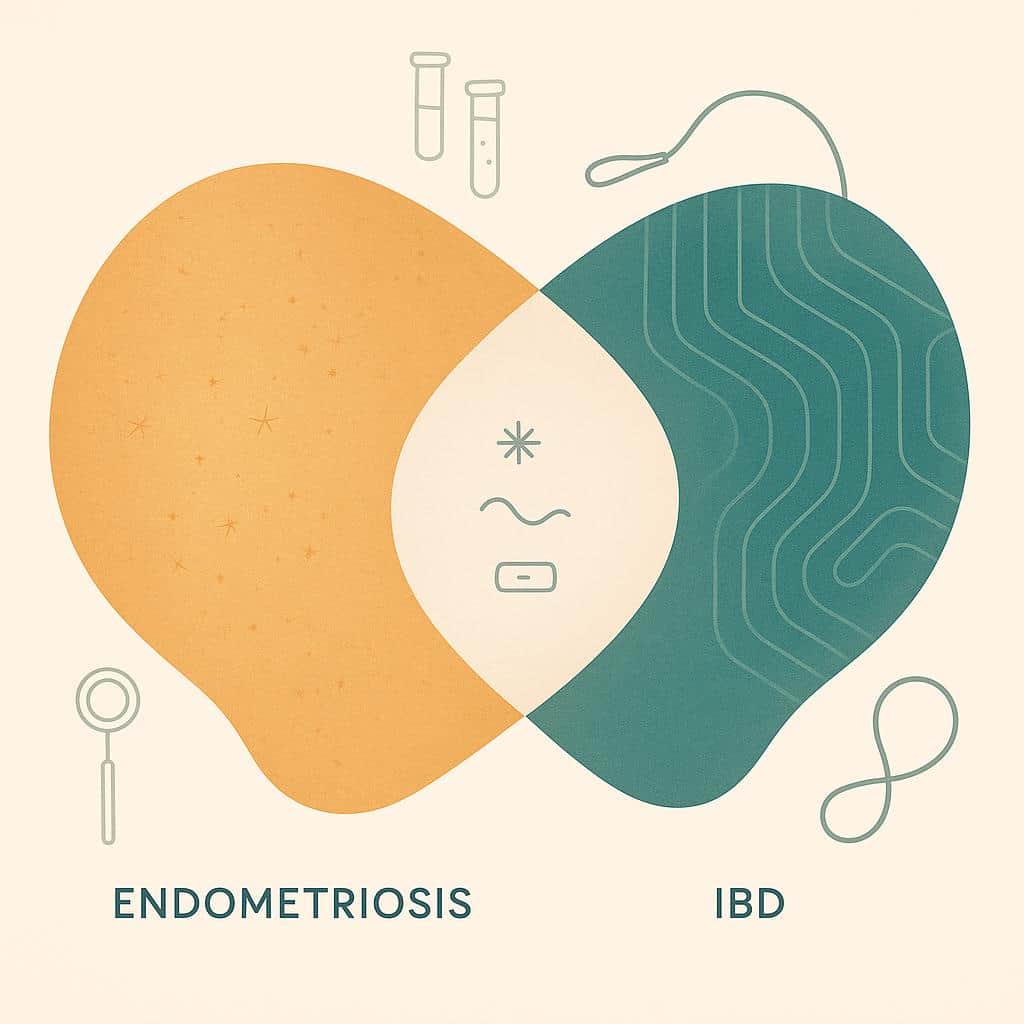
Endometriosis or Inflammatory Bowel Disease? The Key Differences
How endometriosis and inflammatory bowel disease differ and overlap. Symptoms, diagnostic challenges, epidemiology, treatment risks, and research gaps.