General
What conditions commonly occur with endometriosis?
The short answer
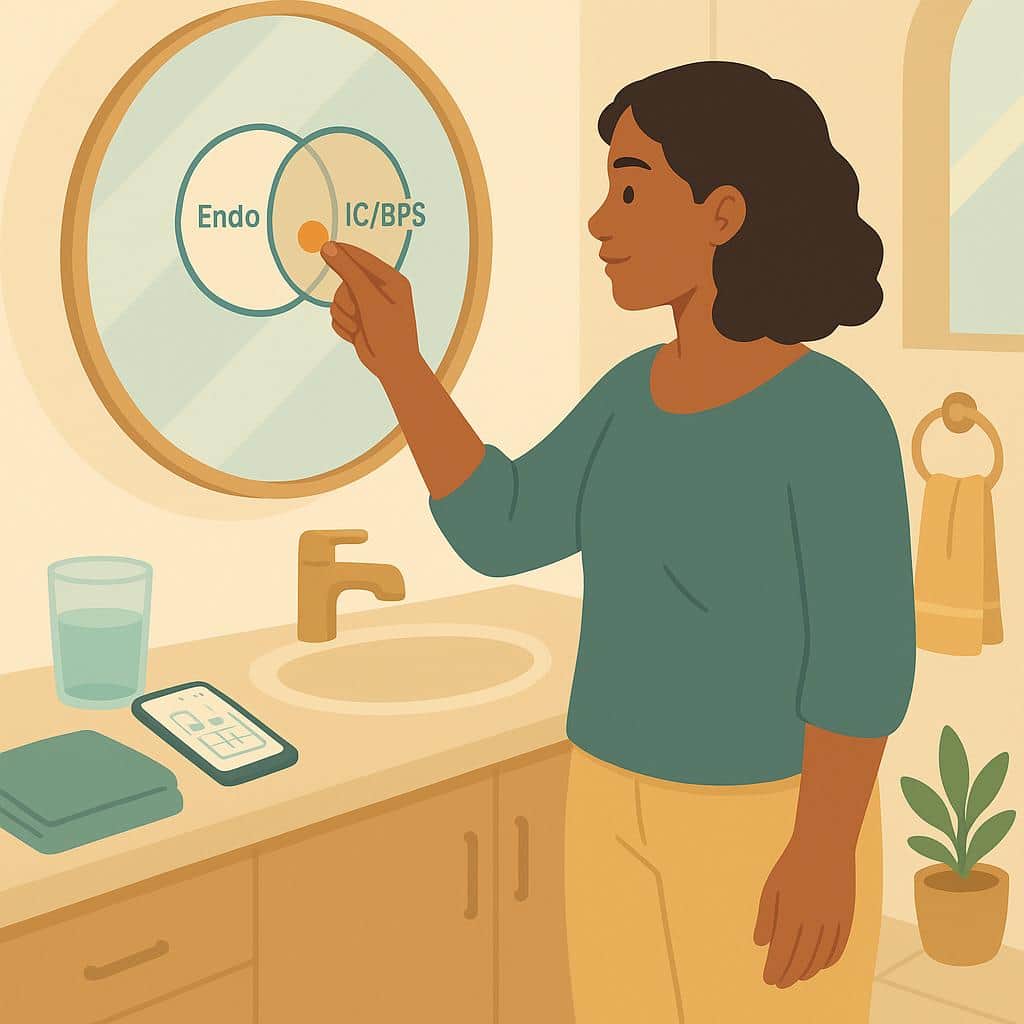
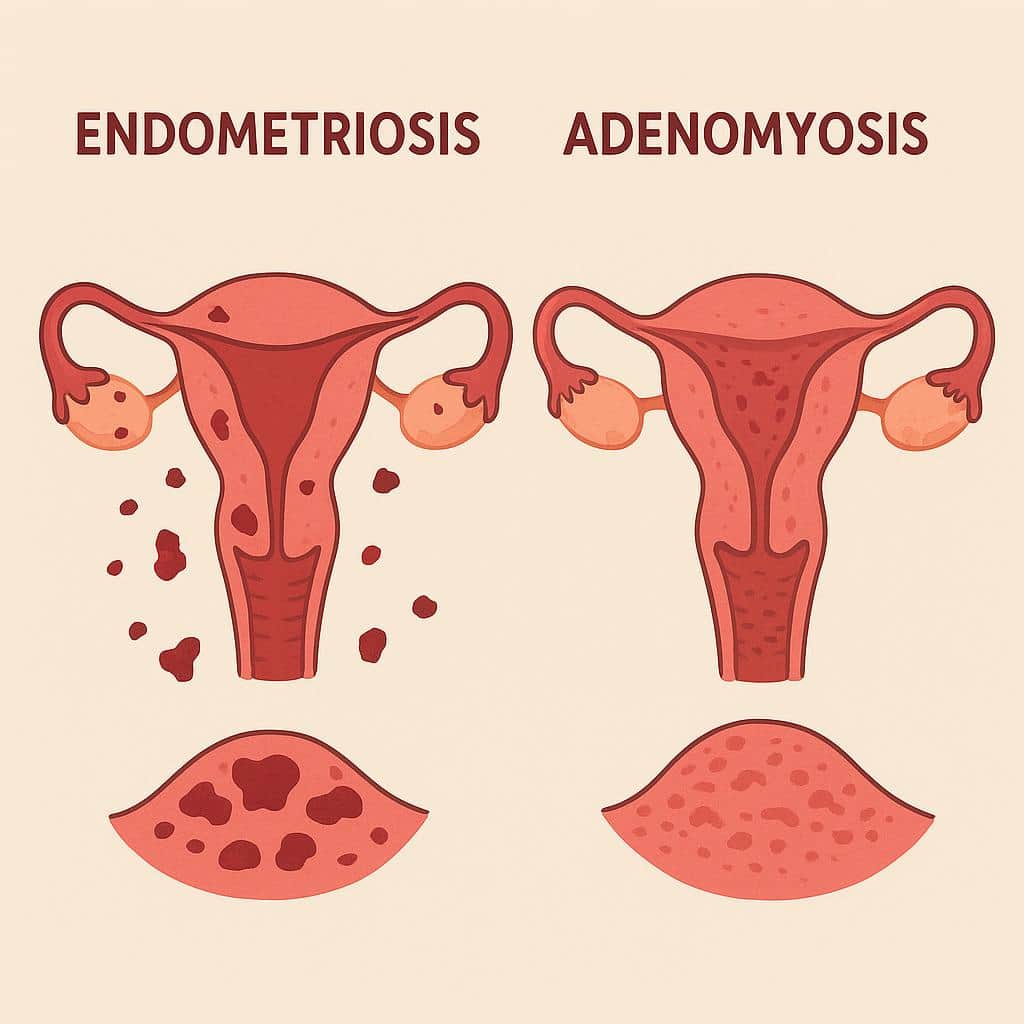
Many patients with endometriosis report symptoms consistent with IBS-type bowel issues, bladder pain syndrome, migraine, pelvic floor dysfunction, mood symptoms, adenomyosis, or fibroids. Untreated overlapping conditions can keep symptoms going after one problem is addressed.
It’s common for endometriosis to overlap with other conditions that affect the bowel, bladder, nervous system, and pelvic muscles. Many patients we see also report symptoms consistent with IBS-type bowel issues, interstitial cystitis/bladder pain syndrome, migraine, pelvic floor dysfunction, mood symptoms, and uterine conditions such as adenomyosis or fibroids.
Recognizing these common pairings matters because untreated overlapping conditions can cause symptoms to persist even after one problem is addressed. In our consults, we look at the full symptom pattern to help clarify what may be coming from endometriosis versus what may need parallel evaluation and treatment. If you’re dealing with multiple symptom clusters, our team can help you map out a coordinated plan and next steps.
Where to go from here
Understand it, compare it with what you're feeling, then talk it through with us.
Speak with Us
Is Endometriosis Affecting More Than You Think?
Many patients with endometriosis experience overlapping conditions like IBS, bladder pain, or pelvic dysfunction. Our specialists thoroughly evaluate all symptoms to provide comprehensive care tailored to you.
Questions people ask next
All general questionsHow do I tell endometriosis from IBS, IC, or pelvic floor dysfunction?
Timing is a key clue: endometriosis symptoms may flare around periods, ovulation, or deep penetrative sex. IBS is more linked to meals and stress; IC commonly causes urinary symptoms with negative urine cultures, while pelvic floor dysfunction tends to cause muscle spasm and pain with sitting.
Why do people with endometriosis often have other conditions?
The genetics, inflammation and immune-system problems involved in endometriosis may also make the body more prone to other inflammation-related or immune-associated conditions. Endometriosis can involve multiple organs, so symptoms may reflect more than one process.
Can endometriosis cause IBS-like symptoms without bowel lesions?
Yes, endometriosis can cause IBS-like symptoms even without visible bowel lesions on imaging or at surgery. Pelvic inflammation, heightened nerve sensitivity, hormone-driven changes, and pelvic floor muscle overactivity can all contribute to bowel symptoms.
Why is endometriosis often misdiagnosed?
Endometriosis is often misdiagnosed because its symptoms can look like other conditions, and the bigger pattern can be missed. Limited clinician training, dismissed symptoms, and care split among specialists can lead to tunnel vision and delayed answers.
Further reading
Overlooked Endometriosis Neighbors: Adenomyosis, Bladder, and Bowel Pain
Discover the link between adenomyosis, bladder, and bowel pain after endometriosis surgery. Learn why you might still feel discomfort and what to do.
Endometriosis and Bladder Pain - Why Your Pelvic Pain Persists
Pelvic pain despite endometriosis treatment? Learn the bladder pain syndrome (IC/BPS) overlap, signs your bladder is involved, and next steps for relief.
Endometriosis and Adenomyosis: How They Drive Pelvic Pain
Compare endometriosis and adenomyosis: similarities, differences in location and prevalence, diagnosis methods, and treatment options for pelvic pain.