Deep Disease
Why is thoracic endometriosis hard to diagnose?
The short answer
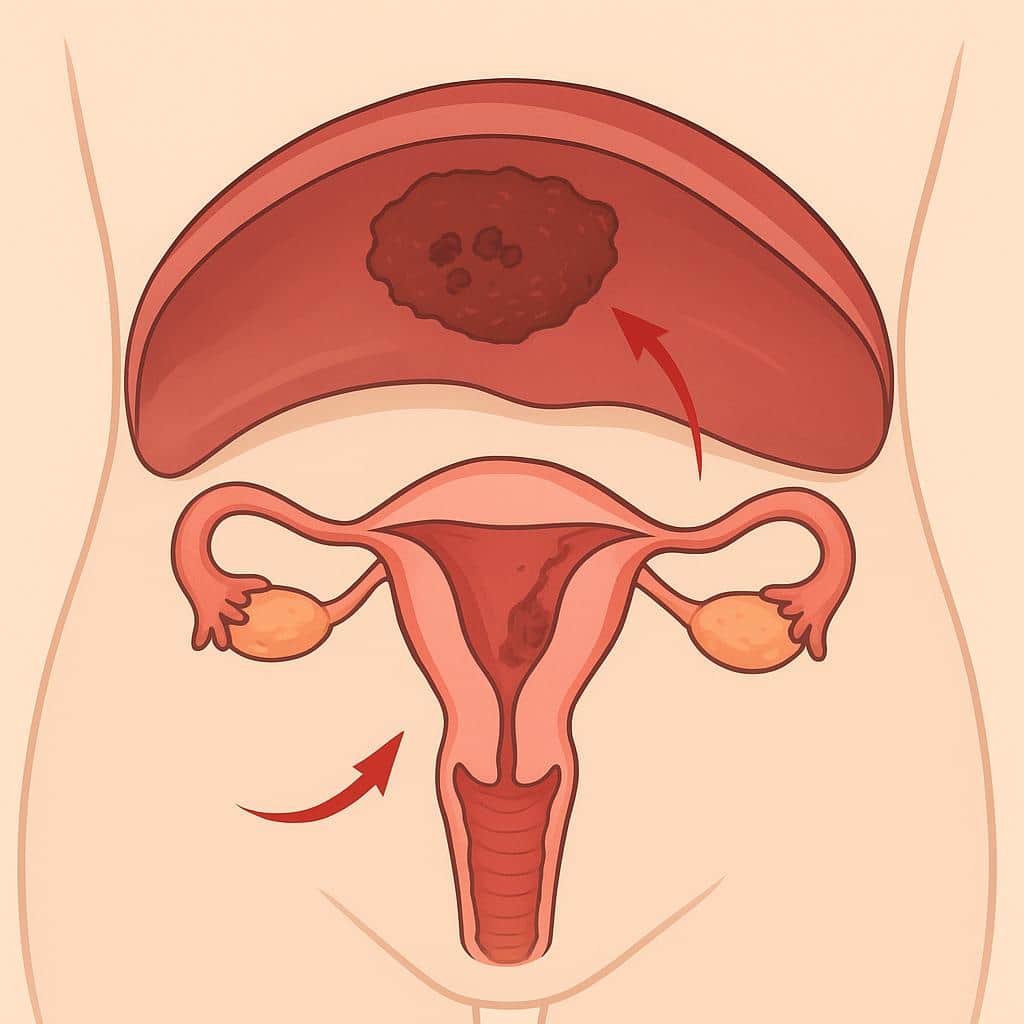
Thoracic endometriosis can be hard to diagnose because its symptoms look like more common lung or chest problems, and imaging can appear normal between episodes. Symptoms that reliably flare around the menstrual cycle are one of the biggest clues.
Thoracic endometriosis can be difficult to diagnose because its symptoms often resemble more common lung or chest problems, such as asthma-like wheezing, recurrent chest pain, or shortness of breath. Many people are evaluated for anxiety, reflux, or other cardiopulmonary conditions first, especially when symptoms come and go. Standard imaging can also look normal between episodes, which can falsely suggest that nothing serious is happening.
One of the biggest clues is timing: symptoms that reliably flare around the menstrual cycle raise suspicion for thoracic involvement. Even then, the condition can be missed unless the history is carefully linked to the pattern of bleeding and flares. Our team can help you sort out whether your symptoms fit thoracic endometriosis and discuss the next best steps for a clear diagnosis and treatment plan.
Where to go from here
Understand it, compare it with what you're feeling, then talk it through with us.
Step 1 · Understand
Understand the condition
Step 2 · Compare
Symptoms it can relate to
Step 3 · Speak with Us
Struggling with unexplained chest symptoms?
Thoracic endometriosis mimics common lung issues, making diagnosis tricky. Our specialists understand these unique patterns and can help pinpoint the cause to guide effective treatment.
Questions people ask next
All deep disease questionsWhat tests diagnose thoracic or diaphragmatic endometriosis?
Surgical visualization with biopsy is the most definitive way to confirm thoracic or diaphragmatic endometriosis. Diagnosis usually starts with symptom history, and MRI or CT may help, but normal scans don’t rule it out because small implants can be missed.
Can imaging detect diaphragm or chest endometriosis?
Sometimes imaging can suggest endometriosis on the diaphragm or in the chest, but normal imaging doesn’t rule it out. Even MRI can miss small or superficial lesions, though imaging can help map other potential causes of chest symptoms and support surgical planning when suspicion is high.
Diaphragmatic endometriosis vs anxiety/asthma: what symptoms fit?
Shortness of breath that predictably flares and eases with your menstrual cycle may be related to diaphragmatic endometriosis. Other clues include pain with deep breaths, a sharp ache under the ribs, chest tightness, or shoulder or neck pain.
What are common symptoms of thoracic endometriosis?
Thoracic endometriosis symptoms include chest pain or tightness, shortness of breath, and pain in the shoulder or upper back, often flaring around your period. In some cases, a collapsed lung or fluid or blood around the lung can recur around menstruation.
Further reading
Thoracic Endometriosis: Understanding Symptoms, Diagnosis, and Treatment Options
Chest pain or shortness of breath during your period? Thoracic Endometriosis Syndrome is a rare but serious condition often missed for years. Learn the signs.
When Endometriosis Affects Your Lungs, What Can Help?
Discover the rare thoracic endometriosis syndrome (TES), its symptoms, and effective treatment options for lung-related endometriosis.
Diaphragmatic Endometriosis: Symptoms and Treatment Options
Learn what diaphragmatic endometriosis is, how it affects the diaphragm, key symptoms, causes, diagnosis options, treatments, and potential complications.