

Why Multidisciplinary Care is Essential for Complex Endometriosis
Discover why multidisciplinary care is vital for managing complex endometriosis and enhancing quality of life. Learn more in our latest research overview.
11 minute read
Read moreDiscover how Lotus can guide you toward lasting relief.
Explore why patients choose Lotus
Search expert-written answers, browse by topic, or find information based on where you are in your journey.
Explore All KnowledgeReach out and start your healing journey.
Schedule an AppointmentClarifies how endometriosis differs from look‑alike conditions using symptom patterns, exam and imaging findings, red flags, and referral guidance to support the right workup and specialist choice.
Differential diagnosis explains how endometriosis can mimic or coexist with other pelvic and abdominal conditions. Clinicians look for patterns such as pain tied to the menstrual cycle, pain with deep penetration, cyclic bowel or bladder symptoms, and focal tenderness on exam. Imaging helps distinguish look‑alikes: endometriomas versus other ovarian cysts, deep nodules versus bowel disorders, and when an enlarged, tender uterus suggests adenomyosis. Understanding these nuances reduces delays and steers the workup toward the right tests and specialists.
Guidance here clarifies when to consider adenomyosis, fibroids, irritable bowel or inflammatory bowel disease, interstitial cystitis/bladder pain syndrome, pelvic floor dysfunction, and PCOS. It also outlines red flags that point away from endometriosis and require urgent evaluation. Learn how history, exam, labs, and targeted imaging fit together, and when to involve GI, urology, or pelvic floor PT. For technical details on scans, see Ultrasound and MRI; for condition‑specific care, explore Adenomyosis, Fibroids, IBS / IBD, Interstitial Cystitis, and Pelvic Floor Dysfunction.
Painful urination with pelvic cramping between periods can happen when the bladder, ureters, uterus, pelvic floor, or nerves are being irritated—sometimes in a way that still follows a subtle cycle pattern even if you’re not actively bleeding. Endometriosis can contribute by affecting the bladder wall or tissues around the bladder and ureters, and symptoms don’t have to include visible blood in the urine. Importantly, urinary tract endometriosis isn’t always “obviously urinary,” and ureter involvement can be quiet while still significant, which is why we take these symptoms seriously.
These symptoms can also come from conditions that overlap with (or mimic) endometriosis, such as bladder pain syndrome/interstitial cystitis, pelvic floor overactivity, adenomyosis-related uterine cramping, or other pelvic pain drivers. In our evaluation process, we focus on your full flare pattern—what triggers it, how it relates to your cycle, and whether urine tests have been repeatedly negative—then use targeted exam and the right imaging (often expertly interpreted ultrasound and/or MRI) to map what’s actually going on.
If you’re noticing recurring burning with urination, pressure, cramping, or symptoms that predictably flare mid-cycle or before your period, that pattern is useful diagnostic information—not something to dismiss. You can explore our urinary symptom and diagnostic evaluation resources to see how we approach “UTI-like” symptoms with negative cultures, and you’re welcome to reach out to schedule a consultation so our team can help you sort out whether this is bladder/ureter endometriosis, a look-alike condition, or a combination.
Low back and leg pain that predictably flares with your period can happen when pelvic inflammation irritates pain pathways that “refer” into the back, hips, buttocks, and down the leg. In some patients, endometriosis can be part of that story—either indirectly (pelvic inflammation and scarring increasing pressure and sensitivity around nearby nerves) or more directly if disease is affecting areas close to major nerves.
When period-related leg pain resembles sciatica—deep buttock pain, tingling, burning, or pain radiating down the back of the thigh—it raises the possibility of endometriosis-related sciatic irritation or pelvic floor involvement (often described as piriformis-type pressure on the nerve). These symptoms may start before bleeding, peak during the period, and linger afterward, and in more significant cases can be associated with weakness or changes in walking.
Because back and leg pain can also come from the spine, hips, or muscles, the key is the pattern and the full symptom “constellation,” including pelvic pain, bowel/bladder symptoms, or pain with sex. Our team can help you sort out whether your pain fits an endometriosis/adenomyosis pattern and, if needed, plan next-step evaluation such as targeted imaging and a strategy focused on lasting relief rather than temporary suppression.
Yes. Endometriosis can absolutely show up in your late 20s and it can be a driver of both chronic pelvic pain and fertility challenges. Pain can include severe or worsening period cramps, pain with sex, bowel or bladder pain, and “flare” patterns that track with your cycle—although symptom severity doesn’t always match how much disease is present.
Endometriosis can affect fertility in several ways, including adhesions that distort tubo‑ovarian anatomy, inflammation and immune signaling that interferes with fertilization or embryo development, and ovarian factors—especially when endometriomas are involved. For some patients, the uterine environment also matters, particularly when adenomyosis is present alongside endometriosis. In our practice, we focus on listening to your full symptom and fertility story and then building an evaluation that looks for endometriosis while also checking for common look‑alikes or coexisting issues, so we can tailor a plan to your goals—whether that’s pain relief, preserving fertility, or both.
Severe, life-disrupting period pain isn’t “normal cramps,” and it often points to an underlying driver that deserves a real explanation—not just symptom masking. One common cause is endometriosis, where tissue similar to the uterine lining grows outside the uterus and can irritate pelvic structures, trigger inflammatory chemicals, and sometimes involve organs like the bowel or bladder. Another key point is that pain severity doesn’t reliably match “stage,” so someone can have intense pain even if imaging looks normal or disease appears limited.
When period pain is severe, worsening over time, starts years after your first period, or comes with heavy bleeding, painful sex, bowel pain with periods, urinary pain, or fatigue, we think in patterns—because endometriosis and related conditions can overlap with pelvic floor dysfunction, nerve pain/central sensitization, GI dysbiosis, vascular issues, or adenomyosis. Our approach is to take your full timeline and flare pattern seriously and then tailor evaluation with careful exam and expertly interpreted imaging when helpful. If your pain is disrupting school, work, relationships, or daily functioning, reach out to schedule a consultation—our team can help you identify what’s driving it and map out a plan aimed at lasting relief.
Endosalpingiosis is generally considered uncommon, but “how rare” it is depends heavily on who’s being studied and how it’s found. Many cases are discovered incidentally on pathology—meaning tissue is identified under the microscope after surgery done for other reasons—so it’s likely underrecognized in the general population. In other settings (like surgical cohorts), it may appear more often simply because more tissue is being sampled and examined carefully.
What matters most for patients is that endosalpingiosis can be confused with endometriosis on imaging or even at surgery, yet it doesn’t always behave the same way clinically. If you’ve been told you have endosalpingiosis and you also have pelvic pain, bowel/bladder symptoms, or fertility concerns, our team can help interpret what that finding means in the context of your symptoms and operative/pathology reports. You’re welcome to explore our educational content on related endometriosis and uterine conditions, and reach out to schedule a consultation if you want a personalized plan.
Yes. Endometriosis can contribute to pain and pressure around the rectum and anal area, especially when disease involves the rectum/rectosigmoid region or nearby tissues. Many patients describe deep pain with bowel movements, rectal pressure, or symptoms that flare around their cycle, and those patterns can fit bowel or deep infiltrating endometriosis.
That said, a sensitive bump on the anus itself is more often something else (like a hemorrhoid, fissure, skin infection/abscess, or another localized anal/skin condition). In some cases, pelvic disease can coexist with these issues, which is why we don’t assume every finding is endometriosis—or dismiss it as “nothing.”
If you’re noticing a new, persistent, or worsening bump—especially if it’s very tender, draining, bleeding, or associated with fever—we want to evaluate the full picture. Our team can sort out whether your symptoms point toward bowel endometriosis, a separate anorectal condition, or both, and plan next steps such as a focused exam and, when appropriate, expertly interpreted imaging to map possible deep disease.
Menstrual flow is generally “too heavy” when it consistently disrupts your life or overwhelms your usual period products—think flooding or soaking through pads/tampons quickly, passing frequent or large clots, needing to double up, or bleeding long enough that you can’t plan around it. Another major clue is fatigue, dizziness, or shortness of breath that can come with iron deficiency from ongoing blood loss. If you’re timing your day around bathrooms, waking at night to change products, or avoiding work, exercise, travel, or sex because of bleeding, that’s not something we consider “normal.”
Heavy bleeding is a symptom, not a diagnosis, and common underlying drivers include adenomyosis, fibroids, hormonal imbalance, and sometimes endometriosis—especially when heavy bleeding shows up with severe cramps or deep pelvic pain. Because imaging and symptoms don’t always match (a scan can look “mild” while symptoms are intense), we take a symptom-led approach and look at the full pattern, including pain, pressure, clots, cycle timing, and any signs of anemia. If your bleeding feels like it’s escalating or you’ve been told to “just live with it,” our team can help you sort out likely causes and build a plan that targets the source—not just the bleeding.
Endometriosis itself doesn’t create a specific, recognizable “type” of blood clot you can identify just by looking. The clots you pass during a period are usually clotted menstrual blood mixed with pieces of shed uterine lining, so they can look dark red to deep brown, jelly-like, stringy, or like thicker “chunks”—and this can happen with or without endometriosis.
What matters more than appearance is the pattern that comes with it. If you’re seeing clots along with heavy or abnormal bleeding, severe or worsening period pain, pain with sex, bowel or bladder symptoms, or pelvic pain that isn’t limited to bleeding days, that combination can fit with endometriosis (and can also overlap with other conditions like adenomyosis or fibroids). If this is what you’re experiencing, our team can help you sort out the likely drivers and discuss what a thorough evaluation and long-term treatment plan can look like—including when minimally invasive excision surgery is worth considering.
Discover why multidisciplinary care is vital for managing complex endometriosis and enhancing quality of life. Learn more in our latest research overview.

Explore essential insights on endometriosis and other causes of pelvic pain. Learn about differential diagnoses and effective treatment options.

Discover why ultrasounds may miss endometriosis. Learn about imaging limits and recent research in our latest blog. Find clarity in your diagnosis.
Discover why endometriosis is frequently misdiagnosed, the causes of delays, and how to advocate for better care. Get informed today!
Explore the key differences between adenomyosis and endometriosis, their symptoms, overlap, and treatment options for better fertility outcomes.
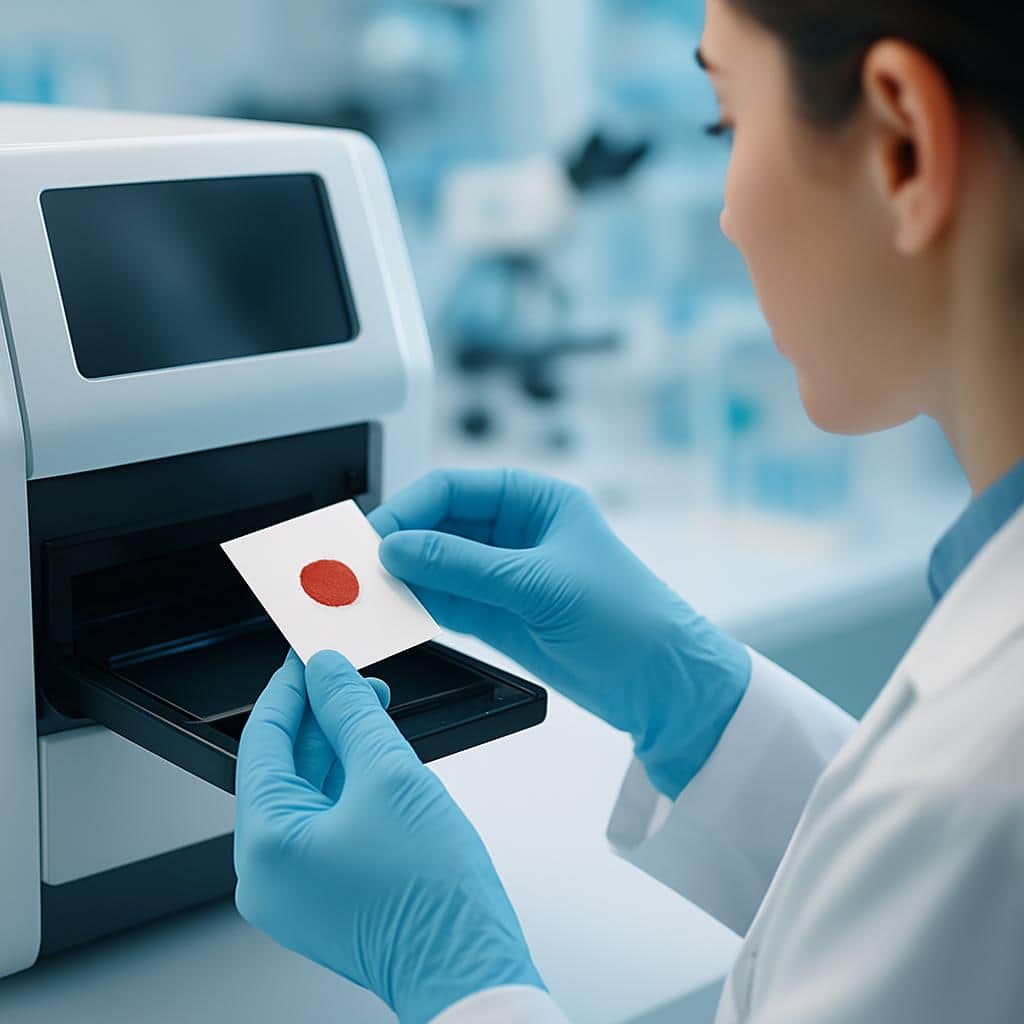
Discover how a menstrual blood test may revolutionize endometriosis diagnosis. Learn about new research and its potential impact on early detection.
Discover if genetic testing could soon help diagnose endometriosis. Learn about new research and what it means for patients seeking answers.
Discover the latest research on blood tests for endometriosis. Learn how microRNAs could lead to earlier diagnosis and better management.
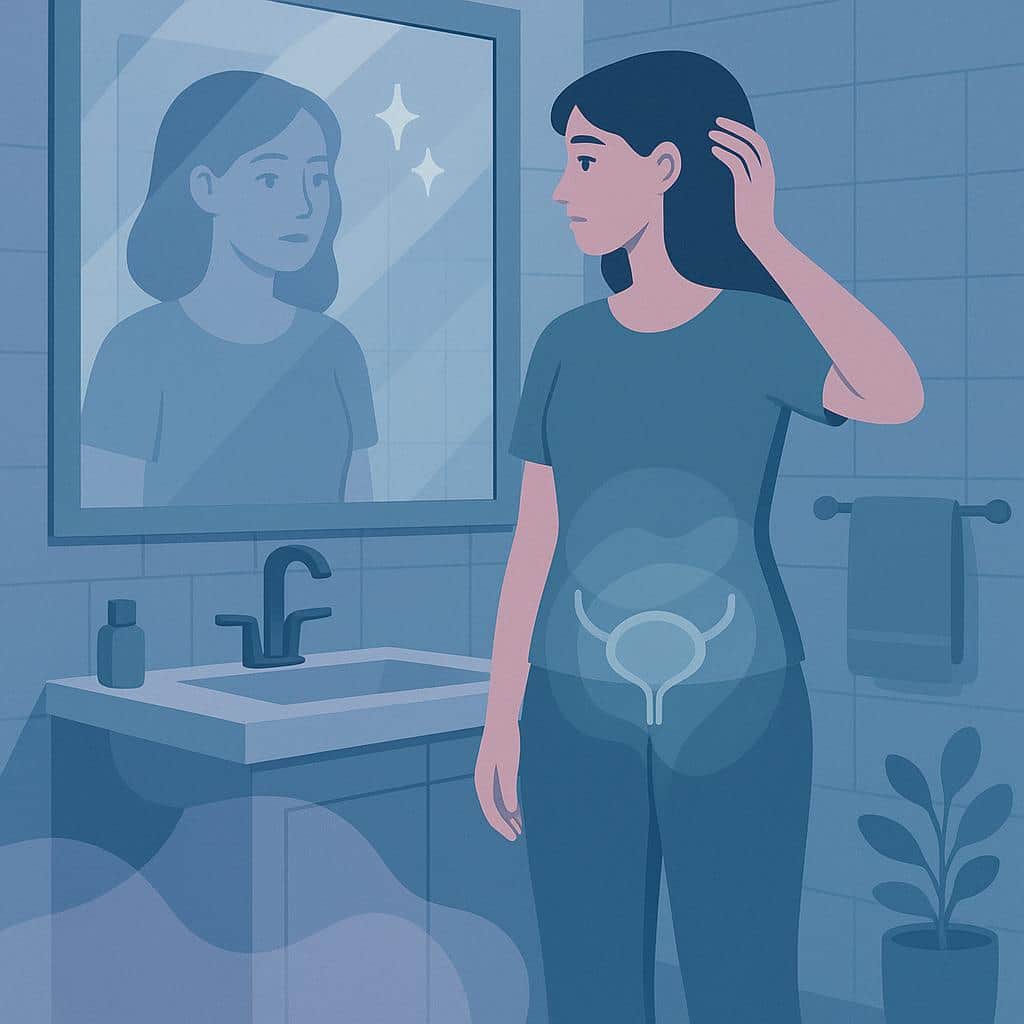
Learn about bladder endometriosis, its symptoms, diagnosis, and treatment options. Understand the complexities to find effective pain management solutions.
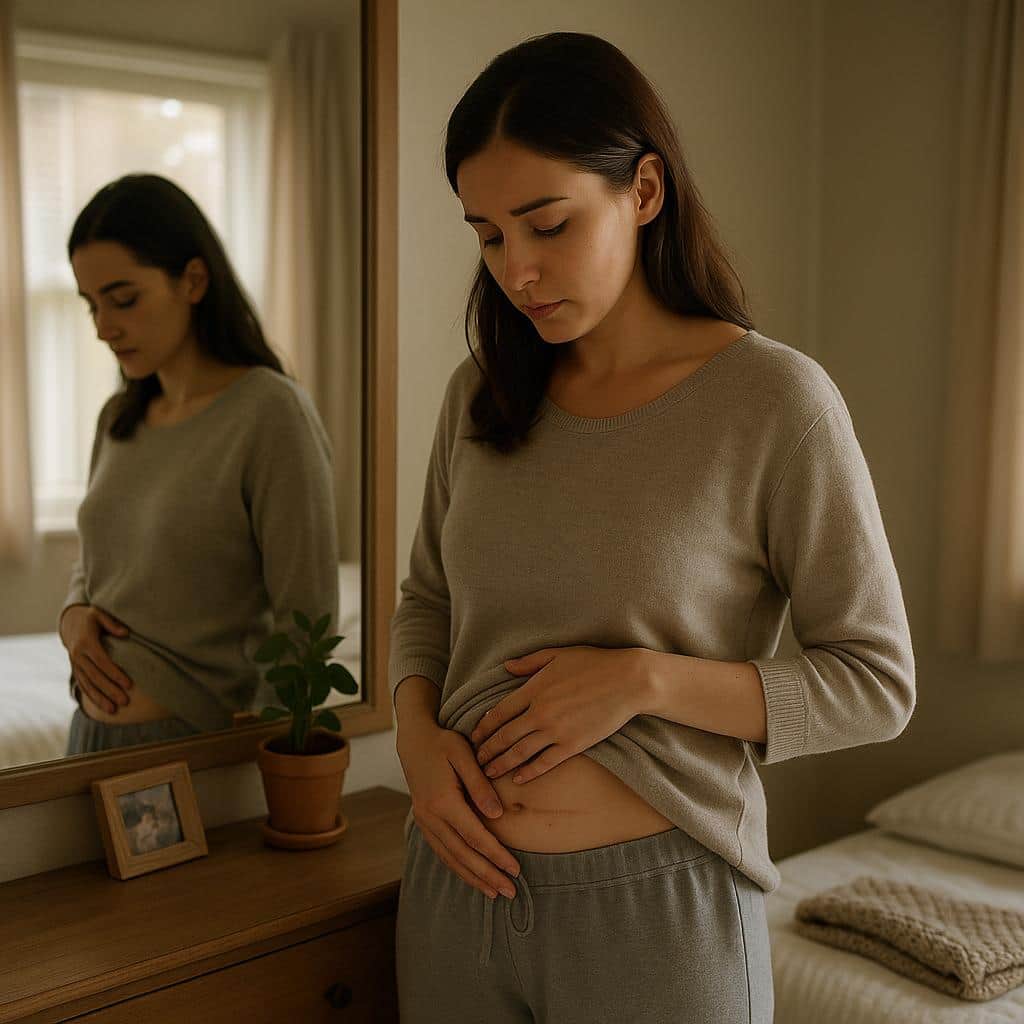
Discover the link between post-caesarean pain and scar endometriosis. Learn symptoms, causes, and effective treatment options to improve your quality of life.
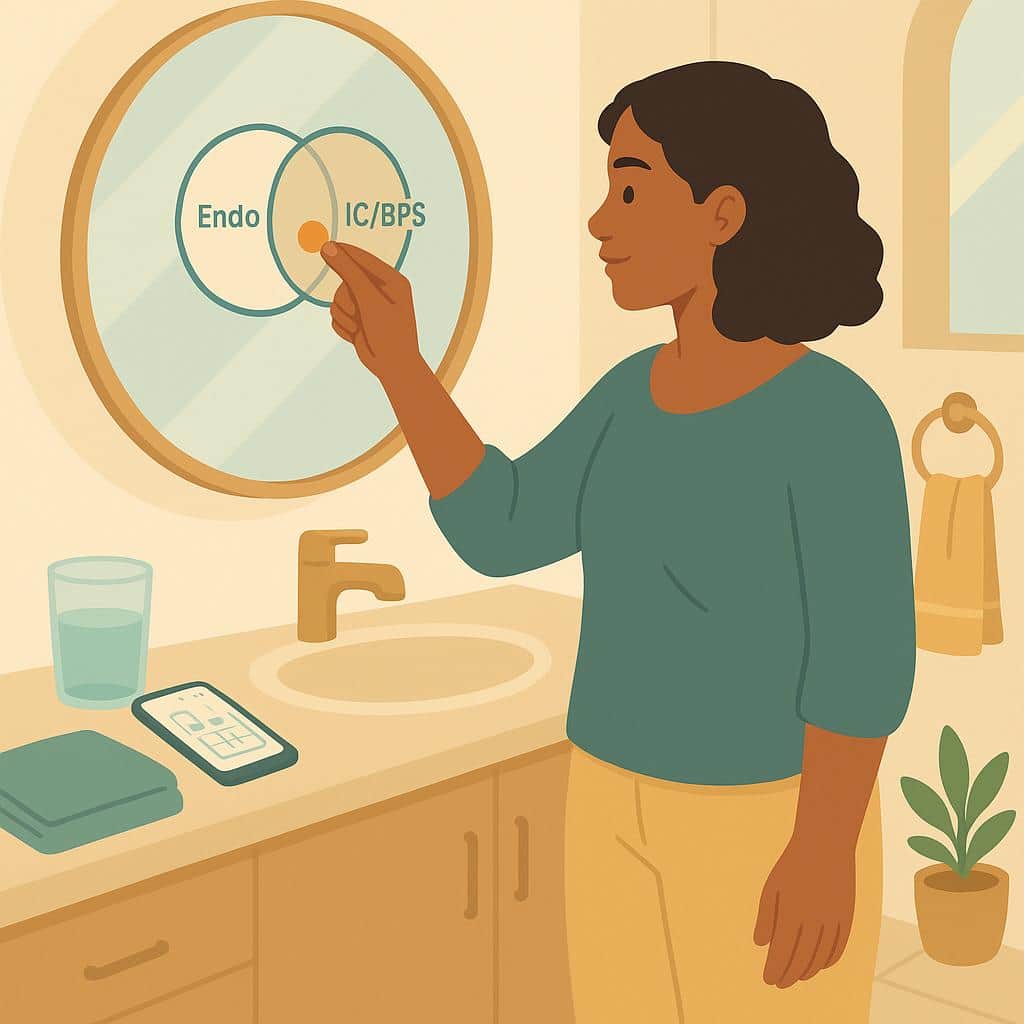
Pelvic pain despite endometriosis treatment? Learn the bladder pain syndrome (IC/BPS) overlap, signs your bladder is involved, and next steps for relief.
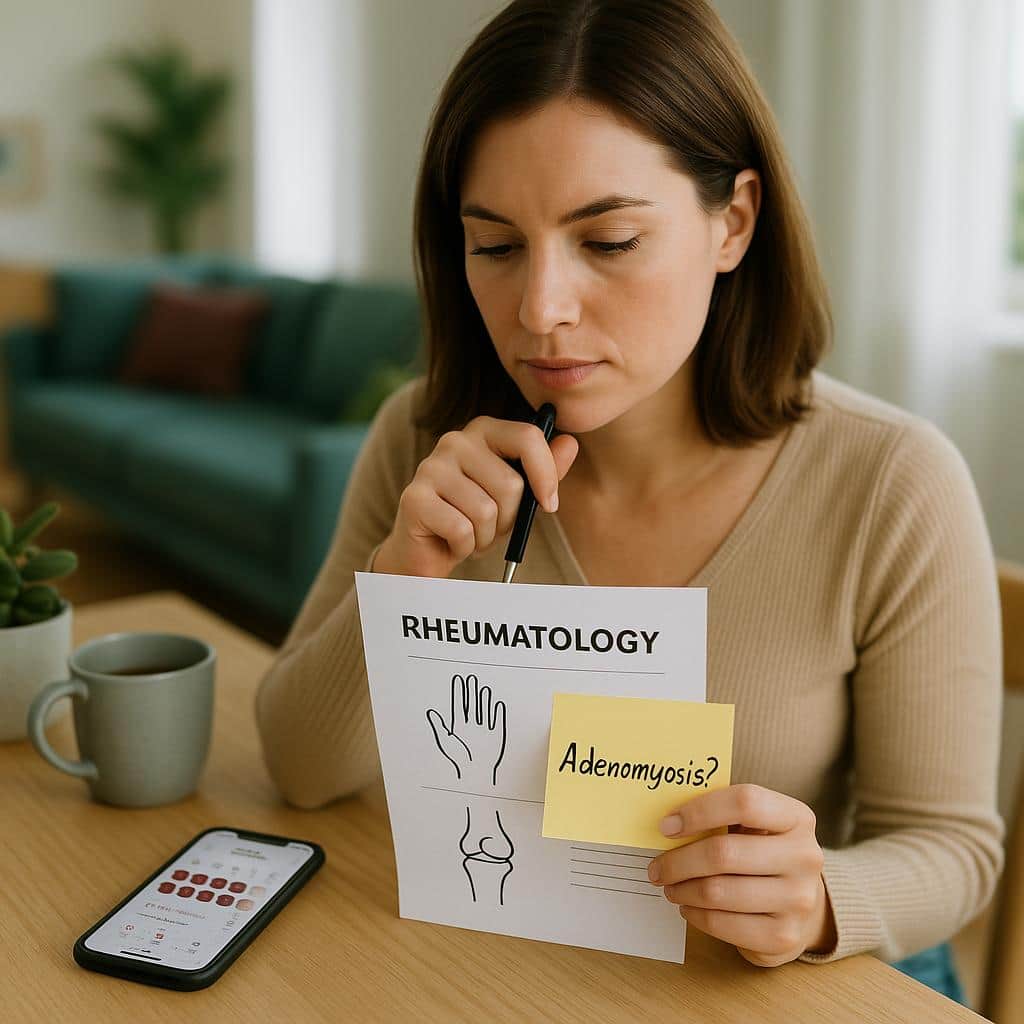
Heavy bleeding and pain in rheumatic disease aren’t always fibroids. Learn key adenomyosis clues, how to get past a 'normal' ultrasound, and treatment options.
Lotus Endometriosis Institute provides California-based surgical evaluation and advanced excision care for patients with suspected endometriosis, adenomyosis, complex pelvic pain, and related conditions.
Many patients contact us from outside California to learn whether traveling for in-person evaluation and possible surgery may be appropriate.
2121 Santa Monica Blvd, Santa Monica, CA 90404
8am - 5pm
Monday - Friday
154 Traffic Way, Arroyo Grande, CA 93420