Menopause & Hormonal Transitions

Related Posts

Endometriosis and hormones, evidence-based support for hormonal transitions for those with endo: how to use HRT safely, weigh recurrence and malignancy risks, navigate early or surgical menopause, and manage persistent symptoms after menopause.

Overview

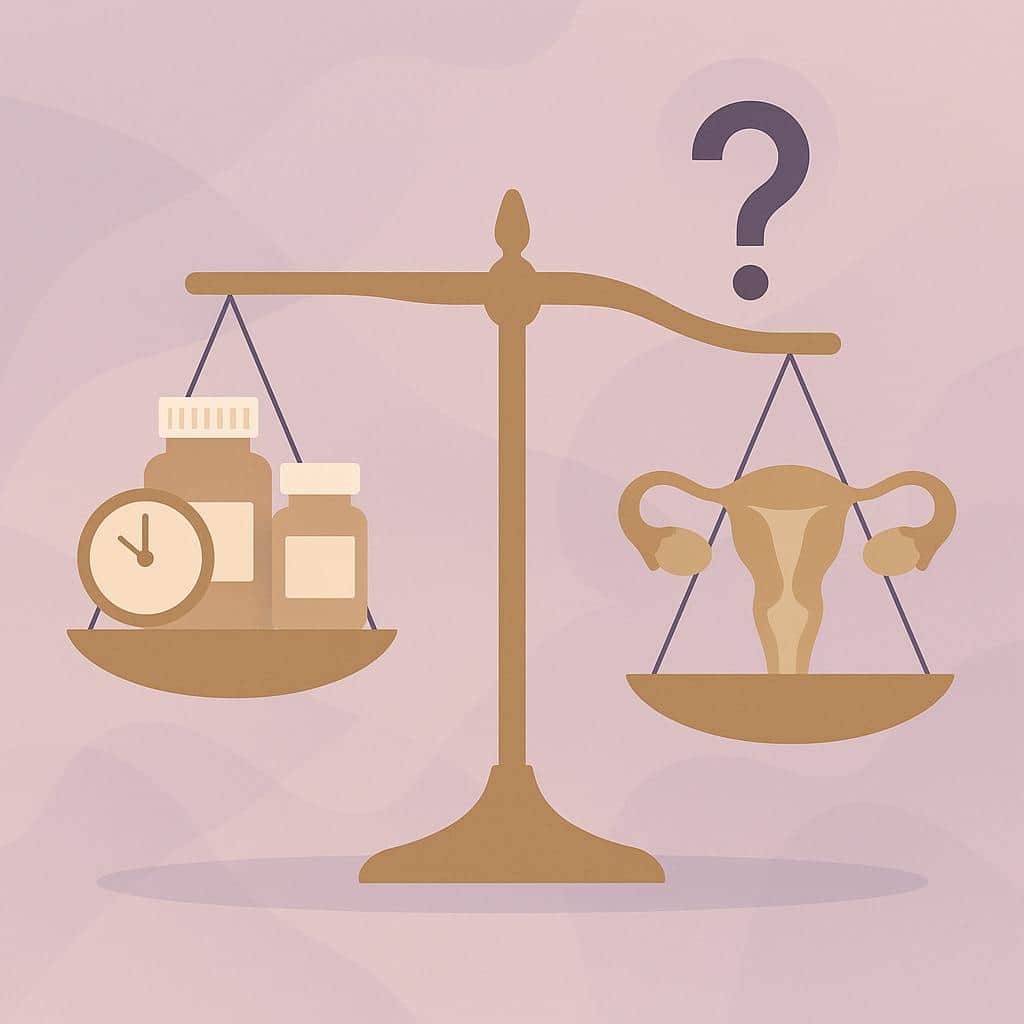
Hormonal transitions can reshape how endometriosis behaves. Perimenopause may bring fluctuating pain and bleeding. While natural or surgical menopause lowers estrogen but does not guarantee symptoms will stop. Decisions about hormone replacement therapy (HRT) or estrogen replacement therapy (ERT) must balance relief of hot flashes, sleep disturbance, and bone and heart protection with the small but real and very variable risk of stimulating residual disease. Guidance here focuses on who may benefit, how to reduce recurrence risk, and when to investigate persistent or new symptoms after menopause.


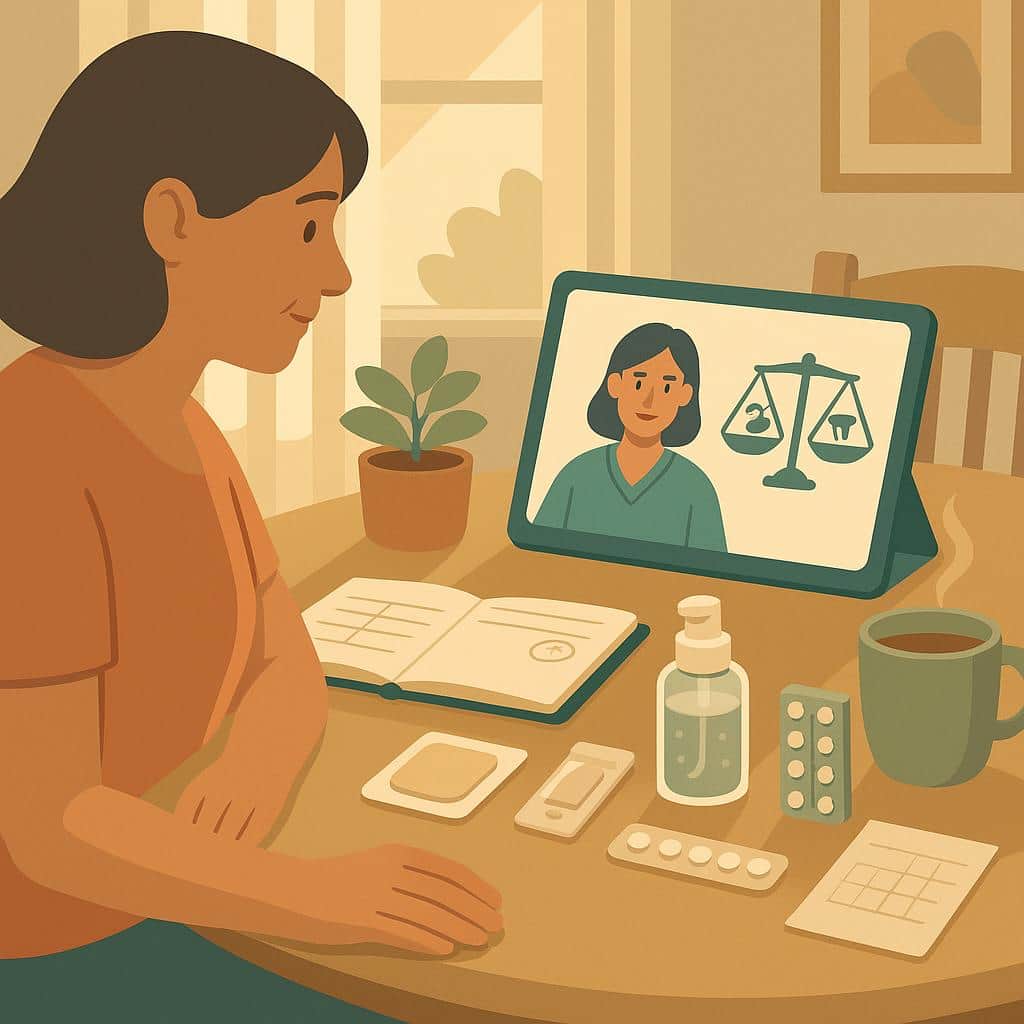
Discover practical ways to personalize HRT—combined estrogen‑progestogen regimens, using a levonorgestrel IUD for local progestin with transdermal estrogen, and why estrogen‑only therapy (ERT) is often avoided after endometriosis, even post‑hysterectomy. Understand timing after surgery, monitoring for red flags, and non‑hormonal options if HRT isn’t suitable. For ongoing pain or bladder/gut symptoms that persist despite menopause, explore complementary strategies in Symptoms & Symptom Control, Medical Management, Mind-Body Practices, and related conditions like Pelvic Floor Dysfunction or Interstitial Cystitis.

Does endometriosis usually stop after menopause?

Many people experience improvement as estrogen levels fall, but symptoms can persist, especially with residual deep disease, scar‑related pain, pelvic floor dysfunction, or bladder/bowel overlap. New or worsening postmenopausal pain warrants evaluation to rule out recurrent disease and other causes, with targeted support from Symptoms & Symptom Control and considering related‑condition categories if needed.

Is HRT safe if I have a history of endometriosis or had a hysterectomy?

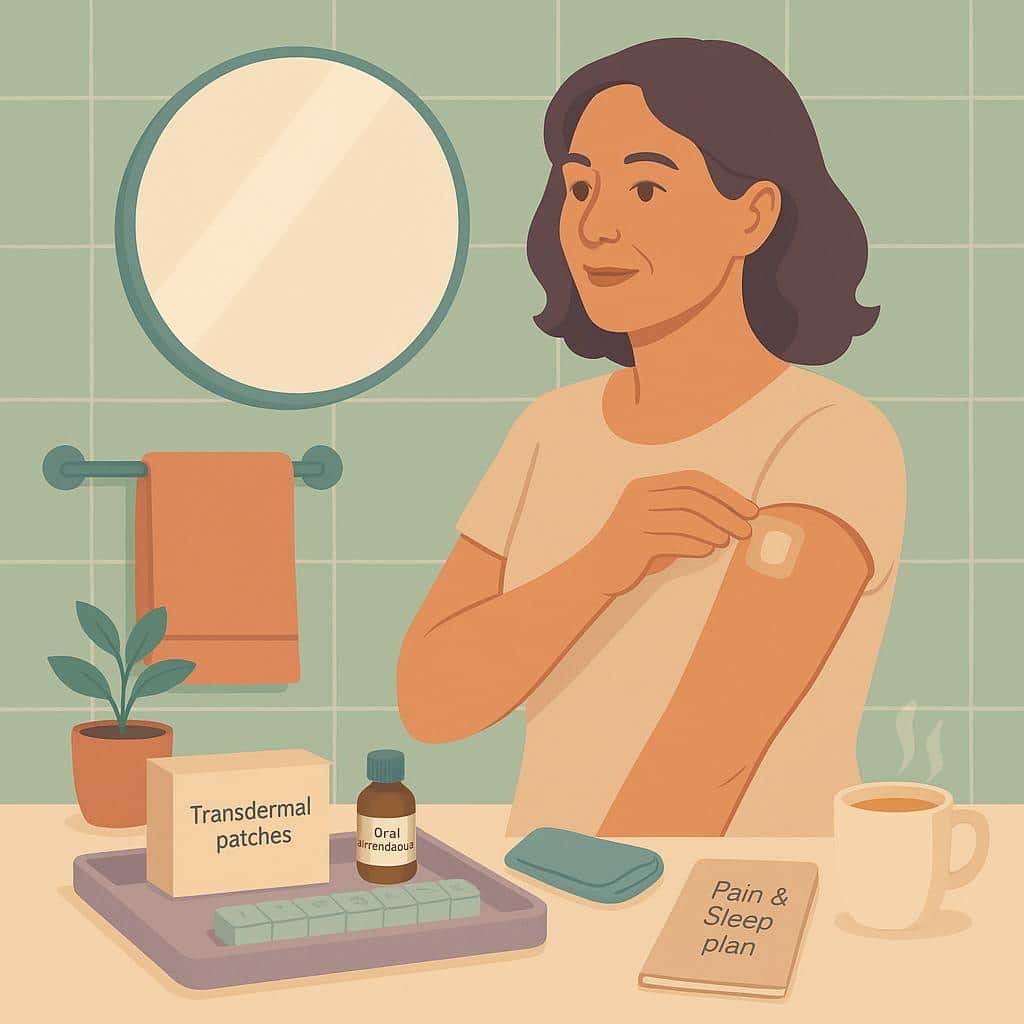
HRT can be used thoughtfully, prioritizing combined estrogen‑progestogen regimens to reduce stimulation of residual implants; this precaution often applies even after hysterectomy. Many clinicians pair transdermal estrogen with a progestogen (oral or a levonorgestrel IUD), start with the lowest effective dose, reassess regularly, and monitor for return of pelvic pain or bleeding.

When can HRT be started after surgical menopause?

If endometriosis has been adequately treated, HRT is often started immediately or within weeks to ease severe vasomotor symptoms and protect bone and heart health. Final timing and regimen should be coordinated with the surgical team, considering extent of disease and postoperative plans outlined in Postoperative Recovery.

What if I can’t or prefer not to use hormones for hot flashes and sleep?

Evidence‑based non‑hormonal options include certain SSRIs/SNRIs, gabapentin, and clonidine, plus cooling strategies and sleep hygiene. New molecularly targeted non-hormonal treatments like neurokinin (NK1/NK3) receptor antagonists, like elinzanetant (Lynkuet) or fezolinetant (Veozah), can enhance quality of life for women who want to avoid estrogen-based treatments. Mind‑body therapies such as paced breathing, CBT‑I, and gentle movement can help with vasomotor symptoms and pain flares; see Mind-Body Practices and Stress Reduction for practical tools.

Does HRT increase cancer risk in people with past endometriosis?

Endometriosis carries an increase in lifetime risk of certain ovarian cancers, but the absolute risk remains low. Data on HRT are limited; using combined rather than estrogen‑only therapy and monitoring for red flags—new postmenopausal bleeding if the uterus is still present, persistent bloating, or escalating pain—helps balance benefits and risks while ensuring timely evaluation. Expert consultation is highly encouraged, especially if you have a family history of cancer or have tested positive for certain genetic mutations.

Reach Out

Have a question?

We understand that healthcare can be complex and overwhelming, and we are committed to making the process as easy and stress-free as possible.

Santa Monica, CA

2121 Santa Monica Blvd, Santa Monica, CA 90404

Operating Hours

9:00 am - 5:00 pm
Monday - Friday

Arroyo Grande, CA

154 Traffic Way, Arroyo Grande, CA 93420