


How Does Endometriosis Affect Fertility? Understanding the Science
Discover how endometriosis impacts fertility and what recent research reveals. Understand the factors influencing conception. Read now!
10 minute read
Read moreDiscover how Lotus can guide you toward lasting relief.
Explore why patients choose Lotus
Search expert-written answers, browse by topic, or find information based on where you are in your journey.
Explore All KnowledgeReach out and start your healing journey.
Schedule an AppointmentExplore the latest evidence on endometriosis—from who is affected and why, to genetic insights and emerging therapies—so you can understand risks, advances, and what promising treatments may mean for you.
Research in endometriosis is moving fast, uncovering why disease starts, why it persists, and which treatments truly help. Summaries here translate high‑quality studies on prevalence, risk factors, pain mechanisms, immune and hormonal signaling, fibrosis, and comorbidities into clear, practical takeaways. Expect context on strengths and limits of study designs, from population cohorts to surgical registries and randomized trials, so it’s easier to judge what findings mean for daily life and shared decision‑making.
Because endometriosis is heterogeneous and often overlaps with adenomyosis, we highlight how results may differ by phenotype and life stage, and when insights extend to adenomyosis with links to Adenomyosis. For deeper dives into specific streams, explore Epidemiology, Genetics, Biomarkers, and New Treatments, or see how innovations in tests relate to care in Diagnostics & Imaging. Learn what’s promising, what’s proven, and how to talk with your clinician about trial options and timing relative to surgery, fertility plans, and symptom goals.
“Estrogen dominance” in endometriosis usually isn’t just about making too much estrogen overall—it’s more often about an estrogen-favoring environment in the pelvis and within the lesions themselves. Many endometriosis lesions can produce estrogen locally (for example, through higher aromatase activity), and that local estrogen can help lesions survive, inflame surrounding tissue, and stimulate nerve growth that drives pain. At the same time, endometriosis commonly behaves as a chronic inflammatory condition, and inflammation can reinforce estrogen signaling and keep the cycle going.
Another key piece is that endometriosis often shows a weaker response to progesterone (“progesterone resistance”), so the normal hormonal braking system that should counterbalance estrogen doesn’t work as well. This can make symptoms feel very hormone-driven even when blood hormone labs look “normal.” Because endometriosis is multifactorial and likely includes different subtypes, the specific drivers of estrogen dominance can vary from person to person—genetics/epigenetics, immune dysfunction, and tissue-level changes can all play a role. If you’re trying to make sense of your symptoms or why hormonal suppression hasn’t brought lasting relief, our team can help you sort out what may be driving your disease and discuss options that focus on treating the endometriosis itself, not just temporarily quieting it.
Microbiome research is an exciting area in endometriosis, and early studies suggest links between gut bacteria, inflammation, and estrogen metabolism. However, an association isn’t the same as a proven treatment, and we don’t yet have strong clinical trial evidence that a specific probiotic or diet can reliably reduce endometriosis lesions or stop disease progression.
That said, nutrition and gut health can still matter for how you feel day to day—especially for bloating, bowel symptoms, energy, and systemic inflammation. We typically view diet changes and probiotics as supportive tools that may help symptoms for some people, but they’re not a substitute for a thorough evaluation and a treatment plan tailored to your anatomy, symptoms, and goals. If you’re considering probiotics or major dietary changes, our team can help you weigh what’s most evidence-informed and how it fits alongside medical and surgical options when needed.
Endometriosis isn’t one uniform condition, so study results can vary depending on which lesion types and locations are included, how advanced disease is, and whether participants have had prior hormonal treatment or surgery. Many studies also rely on small or highly selected groups, which can make findings look stronger (or weaker) than they are in real-world patients.
On top of that, research teams may use different diagnostic standards, define outcomes differently (pain scores vs quality of life vs fertility), and follow patients for different lengths of time—so they’re not always measuring the same thing. When we interpret research with patients, we look for results that hold up across larger, more diverse groups and, when possible, well-designed randomized trials, because that’s more likely to reflect what you can expect in care.
Researchers are studying new, non-hormonal treatments for endometriosis that aim to treat the disease biology itself—not just suppress cycles. Current trials include medications designed to reduce inflammation, calm nerve sensitization (pain signaling), limit new blood vessel growth (angiogenesis), and address scarring and fibrosis.
There’s also growing interest in how the microbiome and immune system may influence symptoms and progression, which could shape future therapies. While a few approaches look promising, most are still experimental and not widely available outside of clinical trials. If you’re curious about what’s in the pipeline and what may be appropriate for your situation, our team can help you understand where emerging therapies fit alongside proven options like expert excision surgery and individualized medical management.
A well-designed clinical trial can be a good fit if you want access to an investigational therapy and are comfortable contributing to research that may improve endometriosis care. At the same time, trials often involve randomization (and sometimes placebo), stricter protocols, additional visits, and rules about what other treatments you can use during the study.
Before enrolling, it’s important to understand exactly what the study requires and how it could affect your overall plan—especially if you’re considering surgery, trying to preserve or pursue fertility, or managing symptoms with medications. Our team can help you weigh the potential benefits against the time commitment, risks, and likelihood that the trial will answer the questions that matter most for your case, and help you think through what to ask the study coordinators before you decide.
Evidence-based endometriosis information usually points to peer-reviewed research, explains what’s known versus what’s still uncertain, and avoids “one-size-fits-all” promises. Reliable sources describe potential benefits and risks (including side effects, costs, and limits), rather than implying a single protocol can cure everyone. Be wary of absolute language, dramatic before-and-after stories, or advice that relies on testimonials as proof.
A good gut-check is whether the content encourages individualized decisions based on symptoms, goals (pain relief, fertility, bowel/bladder issues), and medical history—not just blanket rules. If you’re unsure how a claim applies to you, our team can help you sort through what’s evidence-supported and build a plan rooted in your specific symptoms and exam findings; you’re welcome to reach out to schedule a consultation.
Biomarkers are promising, but they’re not yet a reliable way to choose a specific endometriosis treatment or to measure, in real time, how well a therapy is working. In research settings, multi-marker panels may eventually help stratify inflammation or disease activity and support more individualized decisions about hormonal suppression, pain management strategies, or the timing of excision.
Right now, the most dependable way we monitor response is still how you feel and function over time, paired with clinical evaluation and imaging when appropriate. In select situations—such as monitoring a large endometrioma—your team may follow a lab like CA-125 as one piece of the picture, but it’s not specific enough to use alone. If you’re interested in whether biomarker testing could add value in your case, our team can walk you through what’s available, what it can and can’t tell us, and how we’d use it alongside symptoms and imaging.
Testing menstrual fluid (menstrual effluent) for cellular material, proteins, or microRNAs is an exciting research direction for identifying endometriosis without surgery. These approaches aim to detect biological “signals” associated with the disease using what’s naturally shed during a period.
Right now, menstrual-blood-based tests are not validated or widely available for routine clinical diagnosis, and they shouldn’t be used as a stand-alone answer. In our practice, diagnosing and mapping suspected endometriosis still relies on your symptom pattern, a detailed history and exam, and targeted imaging when appropriate. If you’re exploring testing options and want clarity on what’s available today—and what it can and can’t tell you—our team can help you plan a thoughtful diagnostic path and discuss next steps.
Discover how endometriosis impacts fertility and what recent research reveals. Understand the factors influencing conception. Read now!
Explore how PCOS and endometriosis impact fertility and health. Discover key research findings and treatment options for women facing these challenges.

Discover what research says about low-dose naltrexone for endometriosis pain. Learn if LDN is a viable treatment option for managing symptoms.

Discover how wild-grape compounds, like ε-viniferin, could potentially influence endometriosis pain and inflammation. Learn more about future treatments!
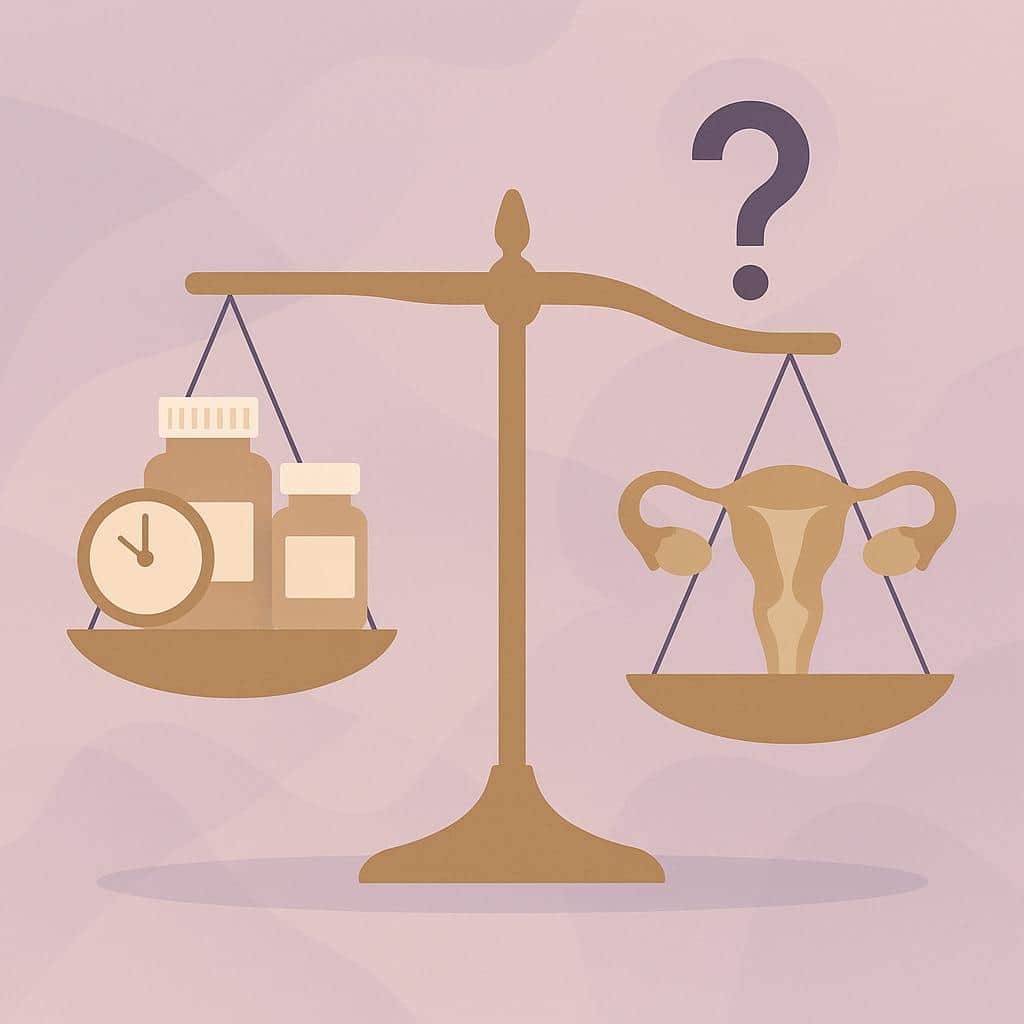
Explore the risks of hormonal therapy without surgical diagnosis for endometriosis. Learn what patients need to know about treatment options and potential side
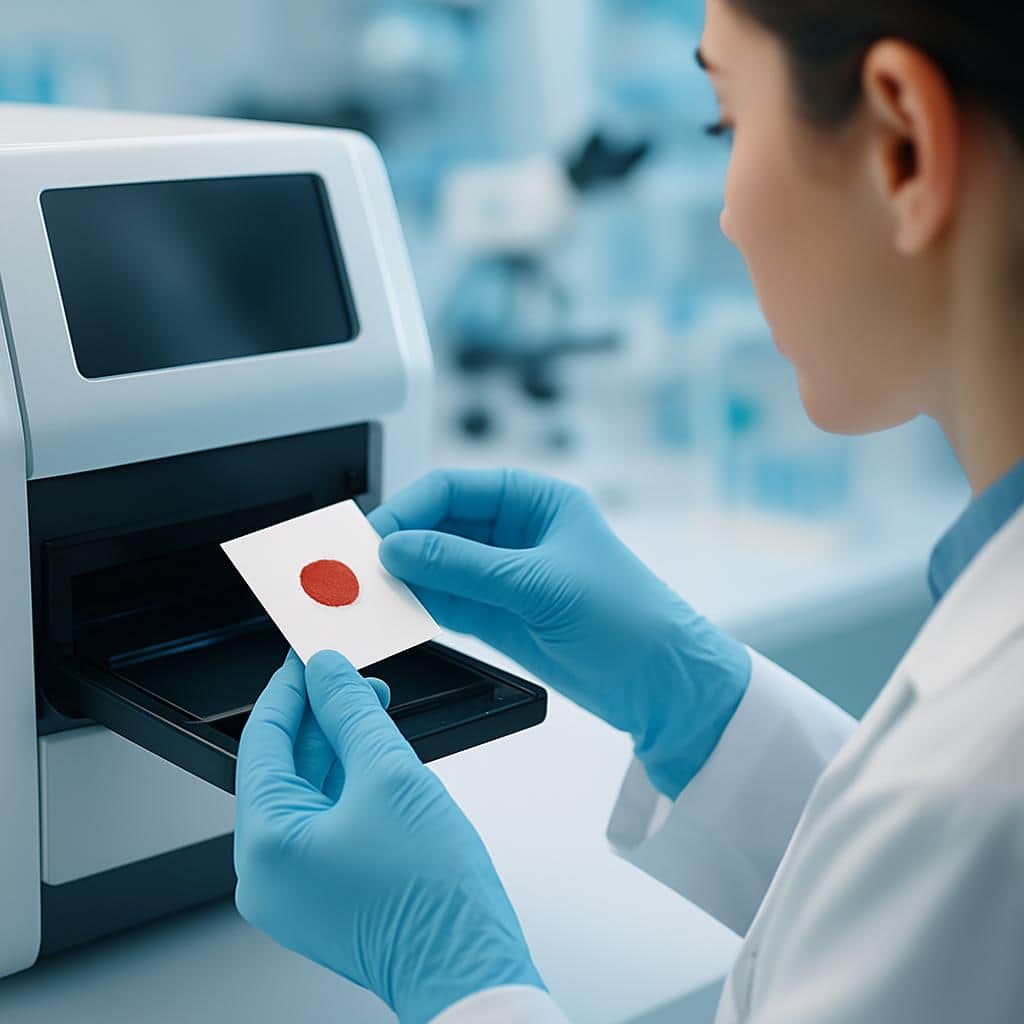
Discover how a menstrual blood test may revolutionize endometriosis diagnosis. Learn about new research and its potential impact on early detection.
Discover if genetic testing could soon help diagnose endometriosis. Learn about new research and what it means for patients seeking answers.
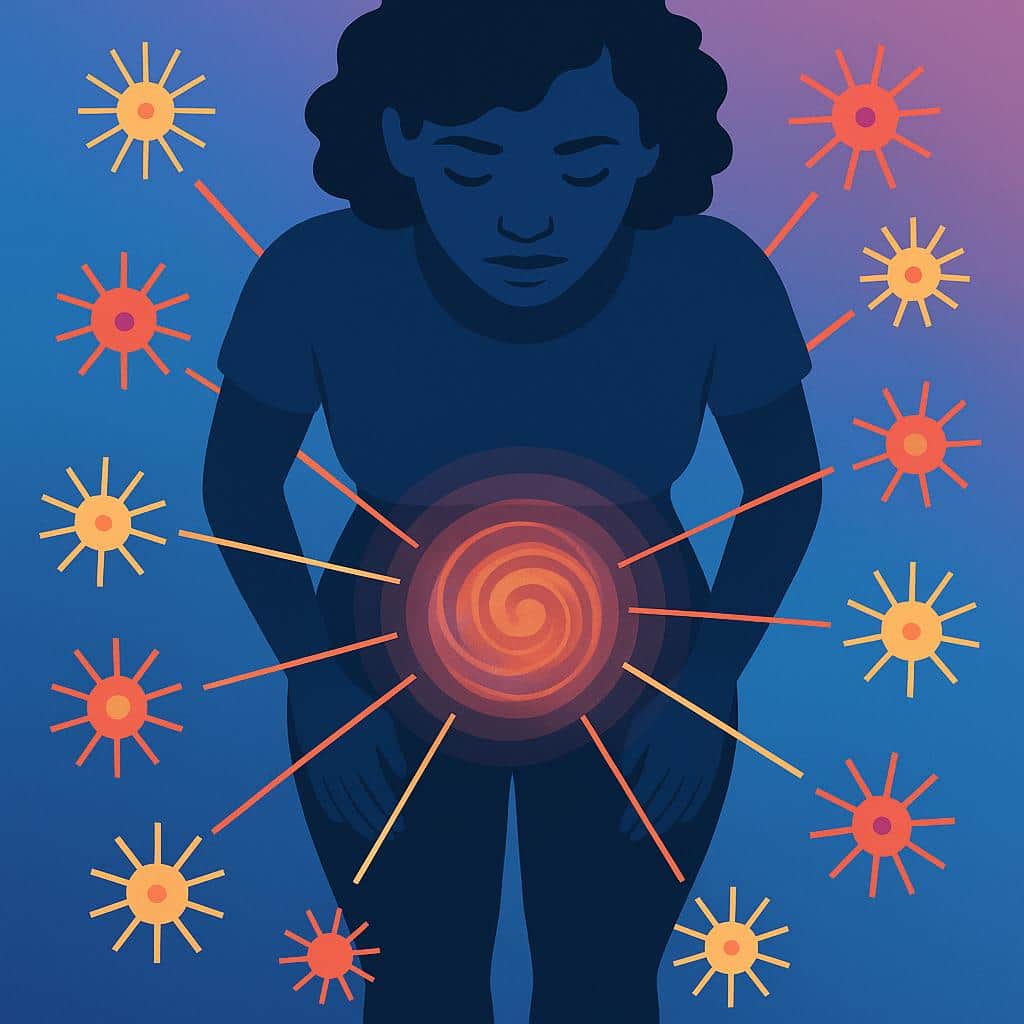
Explore the latest research on MCAS and its connection to endometriosis pain. Understand the implications for symptoms and treatment options.

Discover evidence-based nonhormonal treatments for endometriosis pain. Find options you can try now for effective symptom management.
Discover the latest research on blood tests for endometriosis. Learn how microRNAs could lead to earlier diagnosis and better management.

Discover how mast cells might be contributing to your endometriosis inflammation. Learn about potential future treatments and symptom management.

Discover why endometriosis causes pain and scarring. Learn about TGF-β signaling and its role in symptoms and treatment. Empower your health journey.
Lotus Endometriosis Institute provides California-based surgical evaluation and advanced excision care for patients with suspected endometriosis, adenomyosis, complex pelvic pain, and related conditions.
Many patients contact us from outside California to learn whether traveling for in-person evaluation and possible surgery may be appropriate.
2121 Santa Monica Blvd, Santa Monica, CA 90404
8am - 5pm
Monday - Friday
154 Traffic Way, Arroyo Grande, CA 93420