

Will Genetic Testing Help Diagnose Your Endometriosis Soon?
Discover if genetic testing could soon help diagnose endometriosis. Learn about new research and what it means for patients seeking answers.
7 minute read
Read moreDiscover how Lotus can guide you toward lasting relief.
Explore why patients choose Lotus
Search expert-written answers, browse by topic, or find information based on where you are in your journey.
Explore All KnowledgeReach out and start your healing journey.
Schedule an AppointmentExplore who is affected by endometriosis , how risks vary, and what population data reveal about endo—prevalence, comorbidities, genetics, and outcomes—to guide screening, diagnosis, and care decisions.
Endometriosis epidemiology looks at how often endo occurs, who is most affected, and how patterns differ across age, geography, and communities. About 1 in 10 people of reproductive age are affected, with higher rates among those evaluated for infertility or chronic pelvic pain. Disease can begin in adolescence and, while less common, may persist after menopause. Adenomyosis which is more prevalent than endo, frequently coexists, particularly with advancing age and heavy bleeding, which can influence symptoms and care planning.
Population data highlight risk modifiers such as early menarche, shorter menstrual cycles, heavy or prolonged periods, family history, and certain congenital reproductive tract anomalies. Studies also reveal diagnostic delays and inequities—people from Black, Hispanic/Latine, and Indigenous communities are less likely to be diagnosed promptly despite similar symptom burdens. Large cohorts show common comorbidities, including IBS, interstitial cystitis, migraine, pelvic floor dysfunction, and some autoimmune conditions. Use these insights to discuss timely evaluation and tailored care with your clinician, and explore related topics in Diagnostics & Imaging, Genetics, Related Conditions, and Fertility & Reproductive Health.
Endometriosis isn’t one uniform condition, so study results can vary depending on which lesion types and locations are included, how advanced disease is, and whether participants have had prior hormonal treatment or surgery. Many studies also rely on small or highly selected groups, which can make findings look stronger (or weaker) than they are in real-world patients.
On top of that, research teams may use different diagnostic standards, define outcomes differently (pain scores vs quality of life vs fertility), and follow patients for different lengths of time—so they’re not always measuring the same thing. When we interpret research with patients, we look for results that hold up across larger, more diverse groups and, when possible, well-designed randomized trials, because that’s more likely to reflect what you can expect in care.
Yes—endometriosis can run in families. If you have a first-degree relative (like a parent or sibling) with endometriosis, your risk is higher, and research in twins suggests genetics contribute meaningfully to susceptibility.
That said, heredity isn’t destiny: having affected relatives doesn’t guarantee you’ll develop endometriosis, and it doesn’t reliably predict how severe symptoms might be. Many patients we treat have no known family history, so persistent pelvic pain, painful periods, or infertility concerns still deserve a thorough evaluation based on your symptoms and goals—reach out to schedule a consultation with our team.
Population studies suggest endometriosis is more common in people who started their first period at a younger age, have shorter menstrual cycles, or experience heavy or prolonged bleeding. A family history can also increase risk, which is one reason we take a detailed symptom and family timeline during evaluation.
Certain reproductive tract (Müllerian) anomalies are associated with a higher likelihood of endometriosis as well. It’s also important to know that pregnancy or hormonal therapies may temporarily suppress symptoms for some people, but they don’t prevent endometriosis or eliminate underlying disease. If your history fits these patterns and your symptoms are affecting your life, our team can help you clarify what’s driving them and discuss next steps, including definitive diagnosis and treatment options.
Genome-wide association studies suggest endometriosis risk is influenced by many common genetic variants, each with a small effect, rather than one single “endometriosis gene.” Signals have been found near genes including WNT4, GREB1, ESR1, FSHB, VEZT, FN1, SYNE1, and IL1A.
Taken together, these findings point to biology involved in hormone signaling and progesterone response, uterine lining changes (decidualization), inflammation/immune activity, and tissue remodeling outside the uterus. Genetics can help explain why endometriosis tends to run in families, but it doesn’t currently replace a clinical evaluation or guide treatment on its own—if you’re concerned about inherited risk or persistent symptoms, our team can help you sort through the next best steps.
Discover if genetic testing could soon help diagnose endometriosis. Learn about new research and what it means for patients seeking answers.
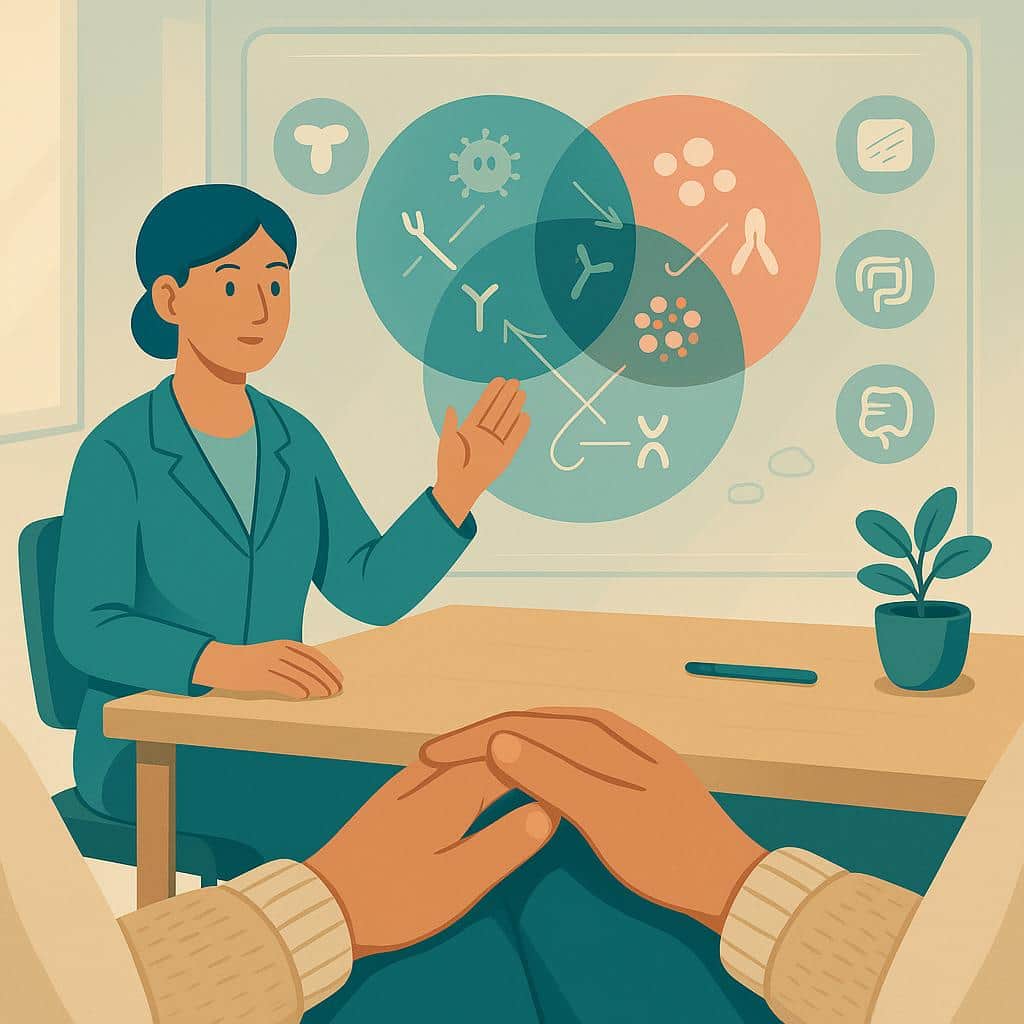
Explore how immune dysfunction may link endometriosis to autoimmune diseases such as lupus, RA, thyroid disease, celiac, MS, and IBD - evidence and care.
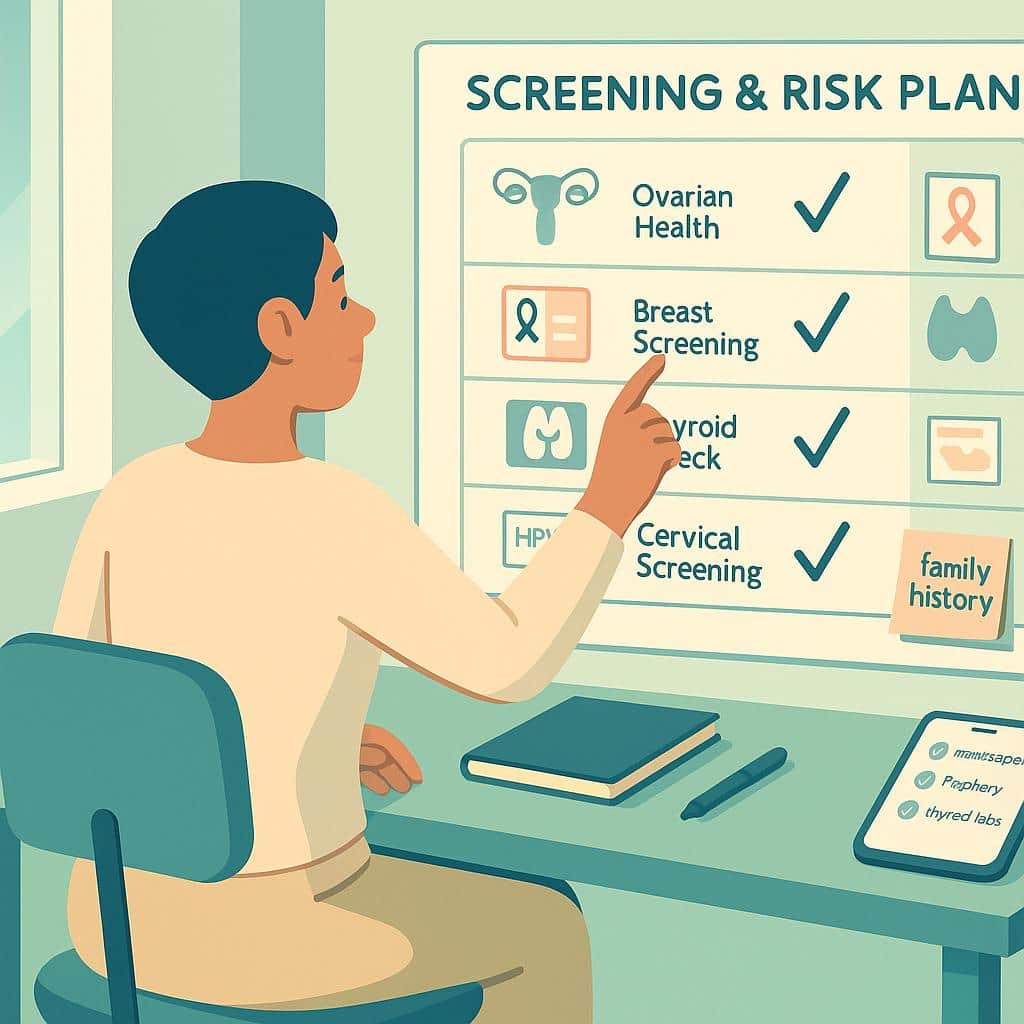
Understand how endometriosis affects ovarian, breast, thyroid, and cervical cancer risk, plus symptoms to watch, screening guidance, and ways to lower risk.
Explore the link between lupus (SLE) and endometriosis: outcomes, key results, clinical implications, and priorities for future research.
Learn about postmenopausal endometriosis: who is at risk, diagnosis and treatment basics, and why malignant transformation is rare but worth knowing.

Learn how genetics shapes endometriosis—familial clustering, gene mapping, GWAS, and genomics—and what this means for diagnosis, treatment, and monitoring.

How endometriosis may be linked to earlier menopause: key evidence, contributing factors, care implications, and practical coping strategies.
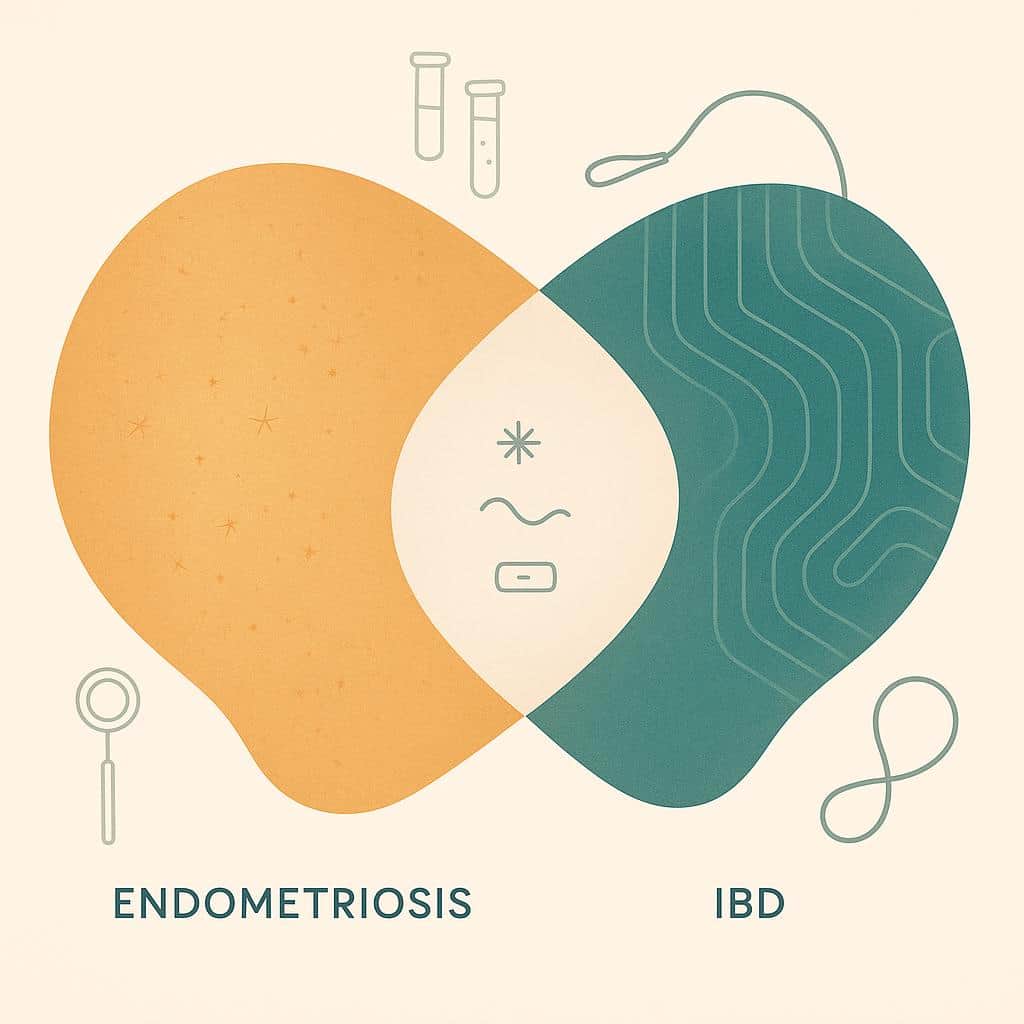
How endometriosis and inflammatory bowel disease differ and overlap. Symptoms, diagnostic challenges, epidemiology, treatment risks, and research gaps.

Learn how endometriosis may affect miscarriage risk, the roles of inflammation, hormones, and surgery, what current studies show, and ways to manage fertility.
Learn what causes endometriosis, how it grows, diagnosis options, current treatments, and holistic strategies to reduce symptoms and recurrence.
Lotus Endometriosis Institute provides California-based surgical evaluation and advanced excision care for patients with suspected endometriosis, adenomyosis, complex pelvic pain, and related conditions.
Many patients contact us from outside California to learn whether traveling for in-person evaluation and possible surgery may be appropriate.
2121 Santa Monica Blvd, Santa Monica, CA 90404
8am - 5pm
Monday - Friday
154 Traffic Way, Arroyo Grande, CA 93420