
Surgery
How does recovery after robotic surgery compare to laparoscopy?
The short answer
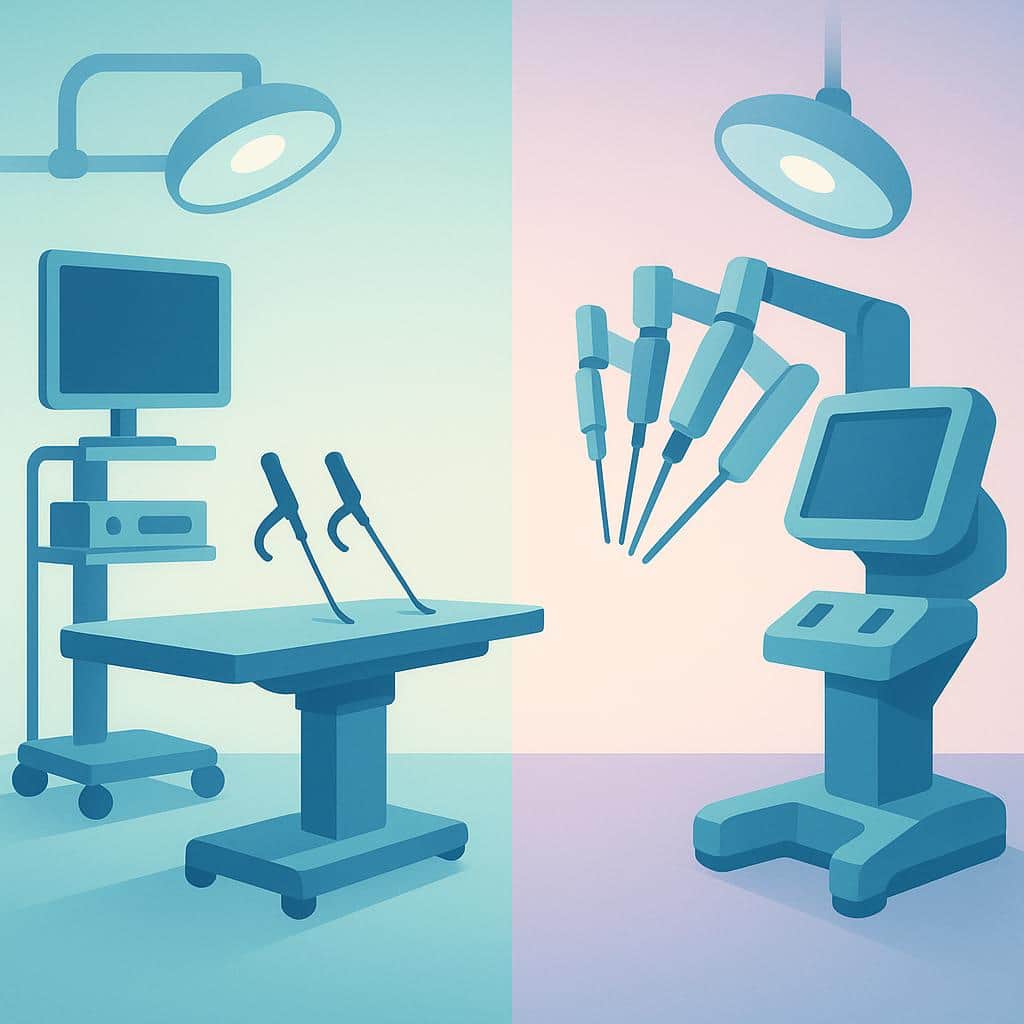
Recovery after robotic surgery is typically very similar to standard laparoscopy because both use small incisions. Incision soreness and temporary gas-related discomfort are common in the first several days, with activity guidance tailored to the extent of surgery.
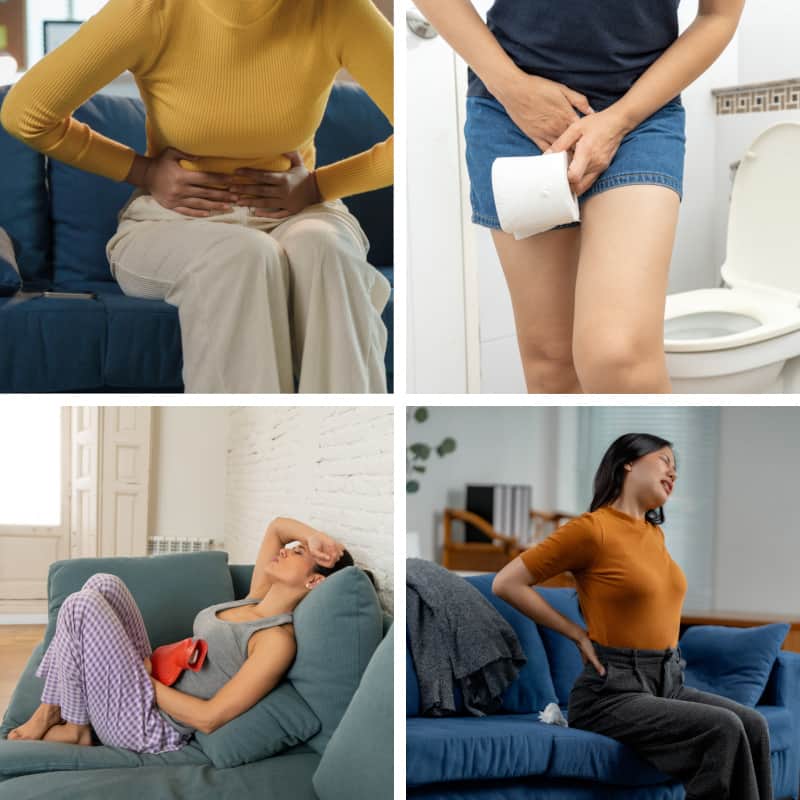
Recovery after robotic surgery is typically very similar to recovery after standard minimally invasive laparoscopy because both use small incisions and aim to minimize disruption to the abdominal wall. Soreness at the incision sites and temporary gas-related discomfort, including shoulder pain, are common in the first several days.
Most patients gradually increase activity as they feel able, with guidance tailored to the extent of surgery performed and the symptoms being treated. Our team reviews pain control, movement, and activity progression with you so you know what to expect and when a symptom may fall outside the usual recovery pattern. If you’re deciding between approaches, we can walk you through how the surgical plan, beyond the tools used, can influence recovery in your specific case.
Where to go from here
Understand it, compare it with what you're feeling, then talk it through with us.
Understand
Understand the condition
Speak with Us
Need Help with Post-Surgery Recovery?
Recovery after robotic or laparoscopic surgery can bring soreness and discomfort, but you don’t have to navigate it alone. Our specialists provide personalized guidance to manage pain and support your healing journey.
Questions people ask next
All surgery questionsWhen can I return to work, exercise, and sex after laparoscopy?
Desk work often resumes 1–2 weeks after uncomplicated laparoscopy. Avoid strenuous exercise until cleared, often 2–4 weeks after routine laparoscopy, about 6 after extensive surgery. Sex is safest once comfortable and healing is confirmed: usually 8 weeks after hysterectomy, up to 4–6 after complex surgery without one.
What pain and swelling are normal after laparoscopy or excision?
Incision soreness, period-like cramping, bloating and abdominal swelling are normal after laparoscopy or excision. Many patients also feel shoulder-tip pain from surgical gas, and discomfort and swelling are expected to improve day by day.
How do I relieve gas-related shoulder pain after laparoscopy?
Gentle, frequent walking, changing positions, and heat on the shoulder or upper back tend to help relieve gas-related shoulder pain after laparoscopy. Some people also get relief from sitting upright, supportive pillows, and taking post-op pain medication on schedule.
Is robotic surgery better than laparoscopy for endometriosis?
With an expert team, robotic surgery and standard laparoscopy generally have similar outcomes for endometriosis. The surgeon’s skill usually matters more, though robotics can be especially helpful in certain complex cases and can add time and cost.
Further reading
Conventional Laparoscopy vs Robotic Surgery for Endometriosis and Adenomyosis: What Patients Need to Know
Comparing safety, effectiveness, and recovery: a patient-friendly overview of different surgery approaches and what they can mean for your treatment.
Life Beyond Endometriosis Surgery: Recovery & Well-Being
Your guide to endometriosis surgery recovery: healing tips, nutrition, mental health support, recurrence prevention, and planning for long-term wellness.
What to Expect Before, During, and After Endometriosis Surgery
Discover what to expect before, during, and after endometriosis surgery. Insights on pain relief, preparation, recovery from reliable recent research.