Deep Disease
Is thoracic endometriosis dangerous?
The short answer
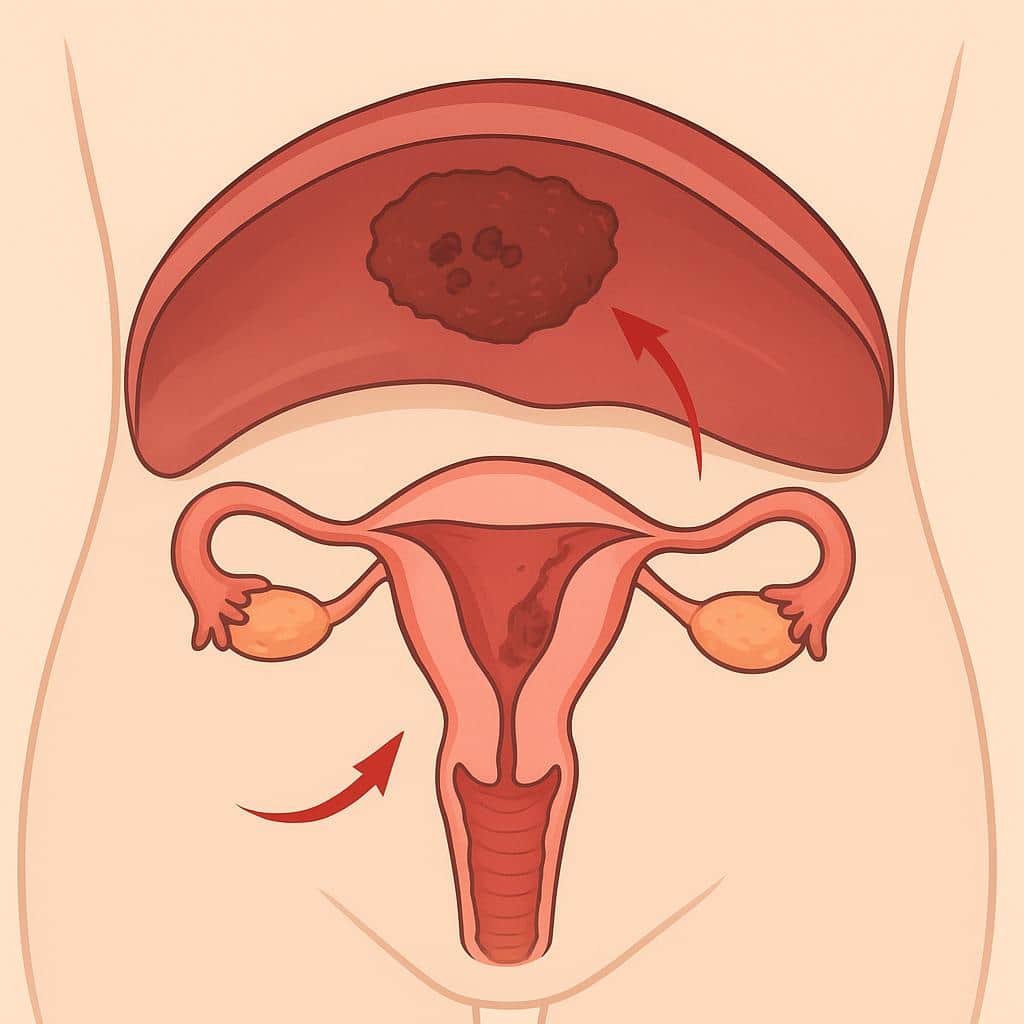
Thoracic endometriosis can be dangerous in certain situations, especially when it leads to recurrent lung collapse or significant shortness of breath. With thorough evaluation and coordinated treatment, many patients achieve strong symptom control and fewer recurrences.
Thoracic endometriosis can be dangerous in certain situations, especially when it causes recurrent lung collapse (catamenial pneumothorax), chest pain with breathing, or significant shortness of breath. Even when symptoms come and go with the menstrual cycle, repeated episodes can disrupt daily life and may cause complications if the underlying problem isn’t addressed.
The good news is that with a thorough evaluation and a coordinated treatment plan, many patients achieve strong symptom control and a meaningful reduction in recurrences. If you’ve had chest or shoulder pain that follows your cycle, breathing symptoms around your period, or a history of pneumothorax, our team can help determine whether thoracic endometriosis may be involved and discuss next steps, including surgical options when appropriate.
Where to go from here
Understand it, compare it with what you're feeling, then talk it through with us.
Compare
Symptoms it can relate to
Speak with Us
Worried About Thoracic Symptoms?
Thoracic endometriosis can cause serious issues like lung collapse and breathlessness. Our specialists provide thorough evaluations and tailored treatments to relieve your symptoms and improve your life.
Questions people ask next
All deep disease questionsWhen are thoracic symptoms an emergency?
Sudden, severe chest pain, new or worsening shortness of breath, or faintness should be treated as an emergency, especially around your period. These symptoms can rarely reflect a lung complication linked to endometriosis and need immediate evaluation.
Why is thoracic endometriosis hard to diagnose?
Thoracic endometriosis can be hard to diagnose because its symptoms look like more common lung or chest problems, and imaging can appear normal between episodes. Symptoms that reliably flare around the menstrual cycle are one of the biggest clues.
How is thoracic endometriosis treated?
Thoracic endometriosis is usually treated with hormonal suppression, surgery, or both, depending on symptoms, imaging findings, and recurrent chest events. Hormonal therapy aims to reduce cyclic disease activity, while surgery focuses on removing endometriosis and repairing affected areas.
Can endometriosis cause chest pain?
Yes, though uncommon, endometriosis can cause chest pain when it affects the diaphragm or, more rarely, the chest cavity. Pain is often cyclical, flaring right before or during a period, but chest pain has many possible causes and needs careful evaluation.
Further reading
Thoracic Endometriosis: Understanding Symptoms, Diagnosis, and Treatment Options
Chest pain or shortness of breath during your period? Thoracic Endometriosis Syndrome is a rare but serious condition often missed for years. Learn the signs.
When Endometriosis Affects Your Lungs, What Can Help?
Discover the rare thoracic endometriosis syndrome (TES), its symptoms, and effective treatment options for lung-related endometriosis.
Diaphragmatic Endometriosis: Symptoms and Treatment Options
Learn what diaphragmatic endometriosis is, how it affects the diaphragm, key symptoms, causes, diagnosis options, treatments, and potential complications.