

Surgery
What are the risks or downsides specific to robotic surgery?
The short answer
Robotic surgery can sometimes involve longer time under anesthesia and rare equipment or docking issues. Some people have temporary soreness or numbness from positioning; in uncommon situations, conversion to open surgery may be needed for safety or visibility.
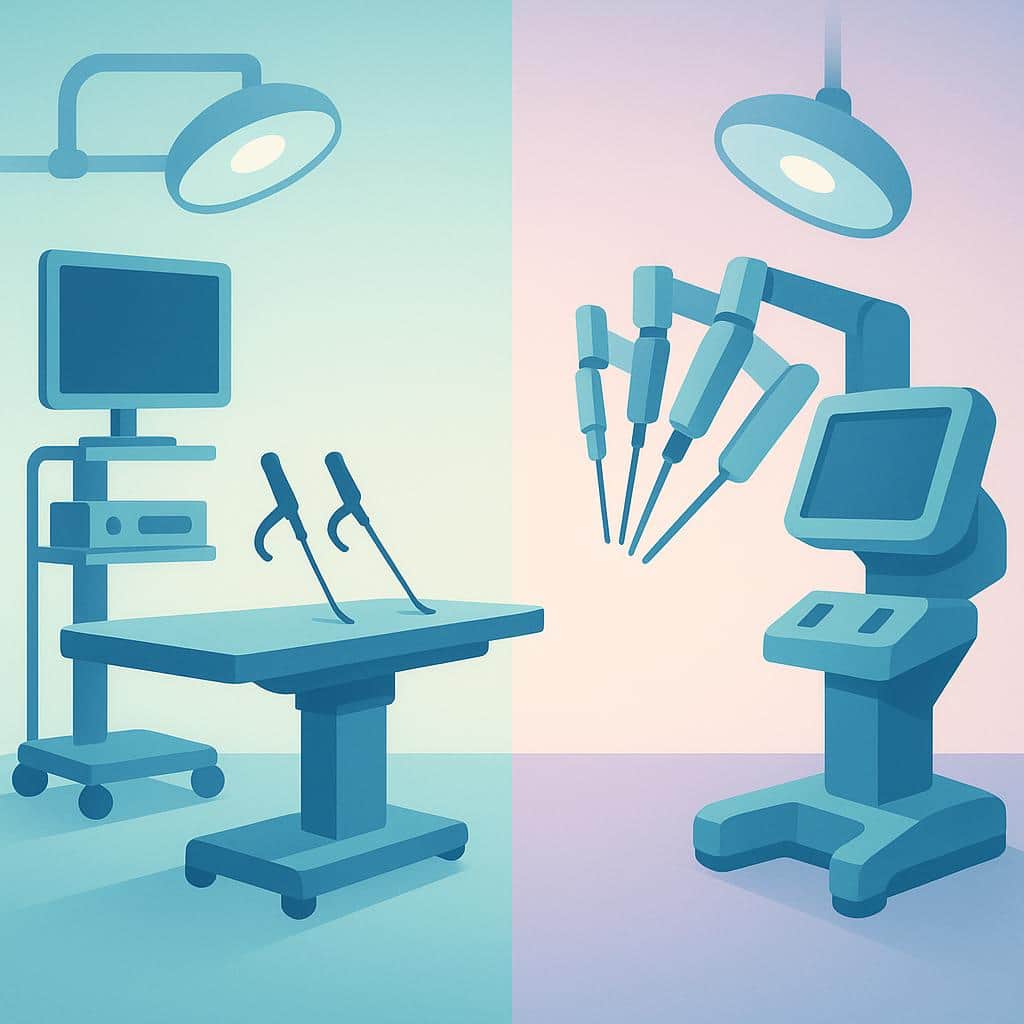
Robotic surgery shares the same core risks as other minimally invasive laparoscopy, including bleeding, infection, and potential injury to nearby organs such as the bladder, bowel, ureters, and blood vessels. Risks more specific to a robotic approach include sometimes spending longer under anesthesia, along with rare equipment or docking issues that may require adjustments during the procedure.
Because robotic surgery requires specific patient positioning for an extended period, some people experience temporary postoperative soreness, numbness, or muscle discomfort related to that positioning rather than the incisions themselves. In uncommon situations, a procedure may need to be converted to open surgery for safety or visibility. In experienced hands, this is rare, but it remains a possibility. If you’re considering a robotic approach, our team can walk you through how we plan for these risks and what we do to reduce them. Reach out to schedule a consultation.
Where to go from here
Understand it, compare it with what you're feeling, then talk it through with us.
Speak with Us
Worried About Robotic Surgery Risks?
Our specialists understand your concerns about robotic surgery risks and can explain what to expect. We’ll help you weigh benefits and potential downsides to make the best choice for your treatment.
Questions people ask next
All surgery questionsWhat are the main risks of laparoscopy, and how are they minimized?
Complications from laparoscopy are uncommon but can include bleeding, infection, blood clots, anesthesia risks, and injury to nearby organs or blood vessels. Careful planning, meticulous surgical technique, the right team, and close follow-up help minimize risk.
Is robotic surgery safe?
Yes, robot-assisted surgery is considered safe when performed by an experienced surgical team. The robot does not operate independently; your surgeon fully controls every movement in real time. It may help improve precision in complex pelvic surgery.
Who is a good candidate for robotic endometriosis surgery?
Robotic surgery can be a good fit when complex, deep endometriosis is anticipated or disease may involve the bowel, bladder, or ureters. Candidacy is individualized, based on disease mapping, surgical goals, and which approach allows thorough, safe removal.
Further reading
Conventional Laparoscopy vs Robotic Surgery for Endometriosis and Adenomyosis: What Patients Need to Know
Comparing safety, effectiveness, and recovery: a patient-friendly overview of different surgery approaches and what they can mean for your treatment.
Does a Longer Endometriosis Surgery Mean More Complications? What a 2025 Study Found.
2025 study in stage III–IV minimally invasive endometriosis surgery: longer cases didn’t raise short-term complications but increased overnight-stay risk.
Gynecologic Oncologists - Safest Choice for Complex Endometriosis Surgery?
For deep or advanced endometriosis, oncology-trained surgeons often provide safer, more complete excision. Learn what this means for you at the Lotus Endometriosis Institute.