


PCOS Together With Endometriosis and/or Adenomyosis
How each overlap can affect symptoms, fertility decisions, frozen transfers, and longer-term health
PCOS can coexist with adenomyosis or endometriosis
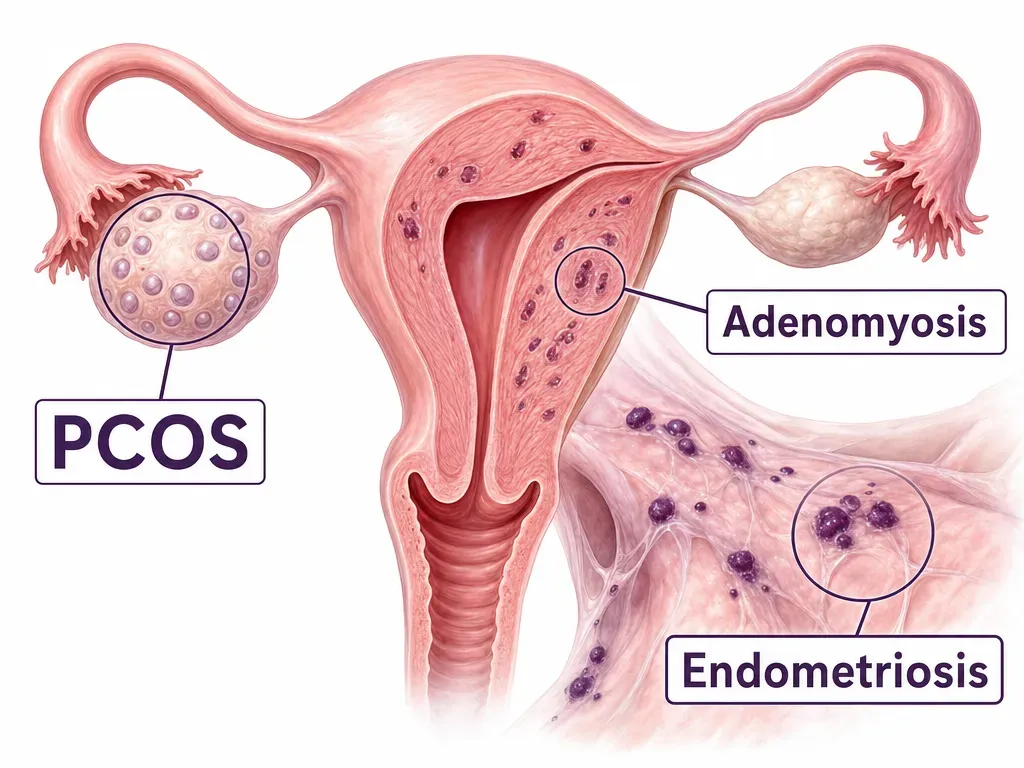
Yes, you can have adenomyosis and PCOS together. You can also have PCOS and endometriosis together. Some people have all three, but each diagnosis brings different considerations for symptoms, fertility, and treatment.
These combinations need separate assessment. PCOS-related ovulation and metabolic concerns do not explain every pelvic symptom, and a treatment decision made for endometriosis does not automatically apply to adenomyosis.
Note: In May 2026, PCOS was officially renamed to Polyendocrine Metabolic Ovarian Syndrome (PMOS) after a global consensus between thousands of clinicians, researchers, and patient advocates sought to better represent the true nature of the disease and the patient's who suffer from it. This post uses PCOS throughout because it remains the more familiar and widely searched term; it refers to the same condition now called PMOS.
PCOS and endometriosis can coexist
What overlap can look like
PCOS commonly brings irregular or absent ovulation, androgen excess, and metabolic features such as insulin resistance. Endometriosis brings a different set of concerns, including inflammation-driven pain and problems involving pelvic tissues, the ovaries, or fertility. Having PCOS should not lead a clinician to attribute every menstrual or pelvic concern to that diagnosis.
In a laparoscopic study of women with confirmed PCOS, pelvic endometriosis was found in 16.5%. Women with both conditions more often had regular periods than those with PCOS alone, 40% versus 14.5%, and less often had secondary amenorrhea, meaning periods that had stopped after previously occurring.
Measured hormone levels, including LH, FSH, testosterone, and DHEA-S, were similar between the groups. This suggested that coexisting endometriosis might modify menstrual patterns without significantly changing the core biochemical features of PCOS. Regular periods do not rule out the overlap.
Being different conditions does not make them mutually exclusive
A genome-wide association analysis of endometriosis and PCOS identified a positive genetic correlation and 12 shared genetic regions, or loci, associated with both conditions. The genetic associations were particularly enriched in uterine, endometrial, and fallopian tube tissues. These findings suggest that their coexistence is likely not simply random.
Mendelian randomization, a method that uses genetic differences to explore possible causal relationships, also suggested potential effects in both directions. That does not establish that PCOS causes endometriosis, or that endometriosis causes PCOS. It does support taking the possibility of both diagnoses seriously.
An older theory describes PCOS and endometriosis as opposite phenotypes based on differences in prenatal testosterone exposure and hormonal patterns. That old-school framework does not prevent clinical coexistence. Presenting it to patients as a reason to dismiss possible endometriosis can delay diagnosis.
PCOS and adenomyosis together need their own assessment
When all three diagnoses are present
PCOS and adenomyosis need to be assessed on their own terms. A PCOS diagnosis may help explain disrupted ovulation or cycle timing, but it does not settle questions about adenomyosis-related symptoms or uterine findings. Likewise, identifying adenomyosis does not resolve the ovulatory or metabolic concerns associated with PCOS.
If you have PCOS, endometriosis, and adenomyosis, the task is to identify what each condition is contributing. Ovulation, pelvic inflammation or anatomy, ovarian reserve, and uterine conditions may all require attention, but they do not necessarily require the same treatment.
Why endometriosis FET findings do not automatically apply
A 2025 retrospective study of 1,454 frozen embryo transfer cycles, involving patients grouped by infertility diagnoses including PCOS and endometriosis, compared two hormonal preparation protocols. It did not directly analyze adenomyosis, so its endometriosis-subgroup findings cannot simply be assigned to someone with adenomyosis.
Clinically, adenomyosis is sometimes managed with suppression strategies similar to those discussed for endometriosis. That does not promise the same transfer outcome. Ask your fertility specialist whether adenomyosis changes preparation based on ultrasound features, uterine size, symptoms, or previous transfer outcomes.
The fertility bottleneck depends on the individual
Having PCOS and endometriosis does not mean you cannot have children. Both can contribute substantially to infertility, but a combined-diagnosis pregnancy percentage would not tell you which treatment is most likely to help. The practical priority is to identify your current fertility bottleneck, meaning the factor most limiting conception or a successful pregnancy.
A 2025 population analysis using global data from 1990–2021 on women ages 15–49 found that PCOS-attributed infertility burden exceeded endometriosis-attributed infertility burden in most regions. This does not rank either condition as worse for an individual. It reflects a substantial population burden of ovulation-related infertility, with PCOS also underdiagnosed and undertreated in many settings.
Reported endometriosis figures can underestimate the true burden because diagnosis may require specialized imaging, expert evaluation, or laparoscopy, and delays are common. Access to diagnosis can therefore distort comparisons. Your prognosis should come from your own assessment, not a population ranking.
Ovulation and cycle timing with PCOS
PCOS more often interferes with getting an egg released. Irregular or absent ovulation can make conception difficult to time, while metabolic factors and sometimes egg-quality concerns may also matter.
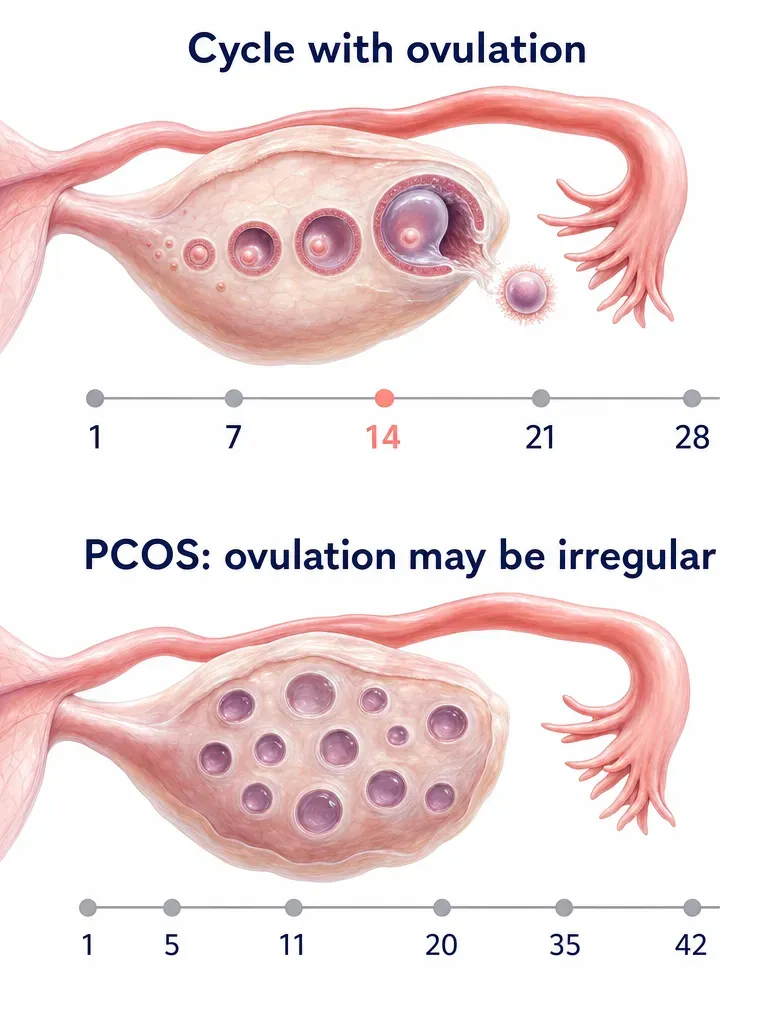
For someone with inconsistent cycles, ovulation induction or IVF may be part of the treatment plan. The choice depends on whether ovulation is the main obstacle or whether uterine conditions, pelvic anatomy, or ovarian reserve also need attention. Either PCOS or endometriosis can affect the ovaries, hormones, and inflammation.
Pelvic inflammation, implantation, and ovarian effects with endometriosis
Endometriosis can interfere with the environment where fertilization and implantation happen, even when ovulation appears normal. Pelvic or tubal anatomy, ovarian involvement, inflammation, and cellular stress may each contribute.
A 2025 narrative review of human findings and rat models involving PCOS, endometriosis, and ovarian insufficiency described oxidative stress in endometriosis across pelvic fluid, fluid surrounding eggs, tissue, and blood samples. Higher oxidative stress often correlated with disease severity or stage. This imbalance between reactive oxygen molecules and antioxidant defenses may affect pelvic tissues, eggs, and implantation conditions.
A 2025 mechanistic review of human tissue, cell, and animal findings in PCOS, endometriosis, and other benign reproductive disorders examined steroid receptor coactivators, or SRCs. These proteins amplify estrogen and progesterone receptor signaling. Experimental findings suggest that SRC-related changes can help endometriotic cells resist cell death and become more invasive.
A separate 2025 review of cellular and preclinical findings in female reproduction, including PCOS and endometriosis, examined mitophagy, the process that removes damaged mitochondria. In preclinical models, a pathway called PINK1-Parkin suppressed migration and invasion and promoted cell death in endometrial stromal cells. Impaired mitochondrial quality control may therefore help lesions persist.
These mechanisms help explain possible fertility effects beyond ovulation. SRC signaling and mitophagy are not routine clinical tests or proven treatment targets, and mechanistic findings should not be treated as ready-made fertility therapies.
Struggling with PCOS and Endometriosis?
Our specialists are here to help you understand your condition and explore your treatment options.
Book Your ConsultationFrozen embryo transfer decisions with endometriosis
What downregulation may offer
Standard hormone replacement therapy preparation uses estrogen and progesterone to prepare the uterine lining for frozen embryo transfer, or FET. An alternative adds GnRH-agonist pretreatment, also called downregulation, to temporarily suppress ovarian and pituitary activity before starting that preparation.
In the 2025 FET study, overall live birth rates were similar between the two protocols. Within the endometriosis subgroup, however, pregnancy and live birth rates were higher with pretreatment: live birth was approximately 46% with GnRH-agonist pretreatment followed by HRT, versus 28% with HRT alone.
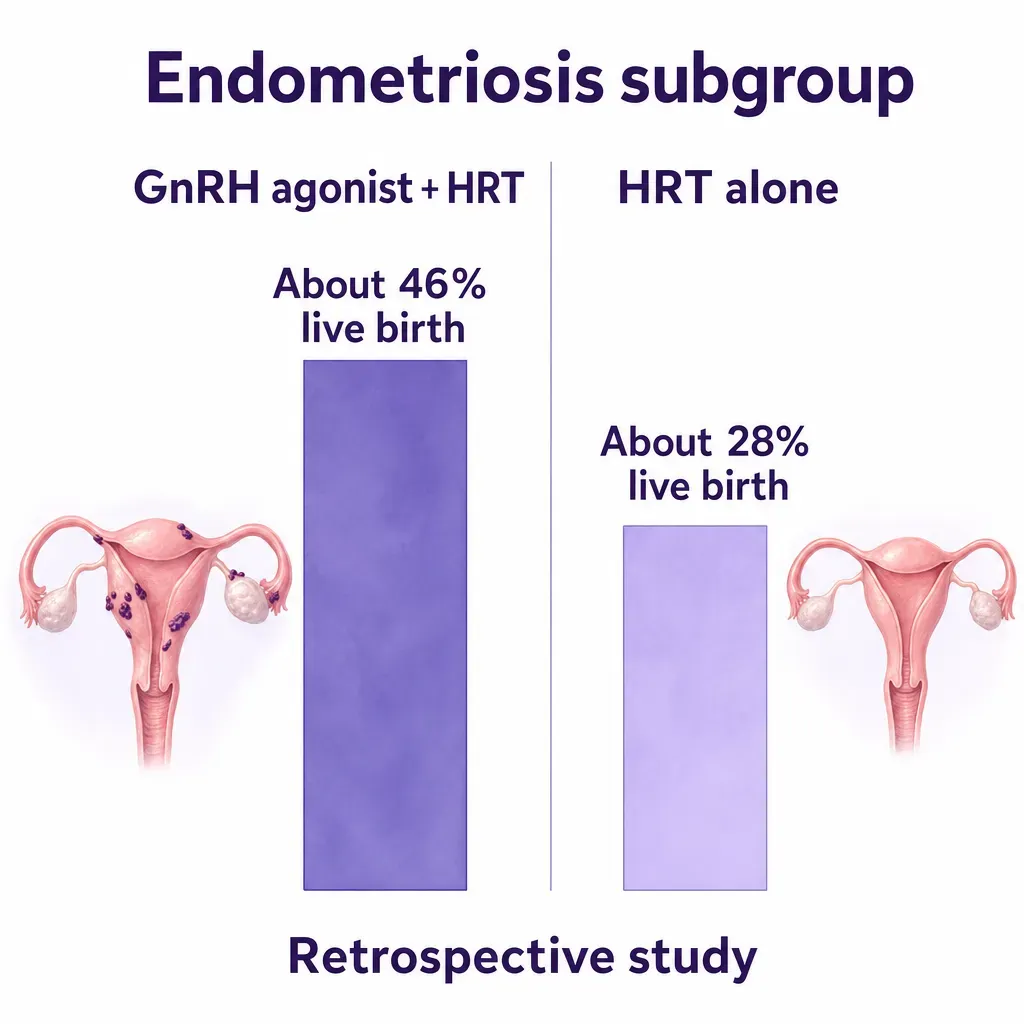
The benefit was clearer in the analysis of single-embryo transfers, where live birth rates were higher with pretreatment. Increasing age was associated with lower odds of live birth, including in the endometriosis subgroup model. These findings support discussing downregulation as an option that may help some patients, particularly those planning a single-embryo transfer.
Time, side effects, and limits of the evidence
The comparison was retrospective, meaning patients were not randomly assigned to treatment. Differences in who received each protocol, embryo characteristics, and other unmeasured factors may remain. In the most adjusted endometriosis-subgroup analysis, the result showed a trend toward benefit rather than a definitive benefit.
The findings may not apply equally across clinics, embryo strategies, or patient characteristics. They also do not establish that every person with endometriosis should receive pretreatment.
Downregulation adds extra weeks before transfer, often around a month, along with injections and more waiting. Possible side effects include hot flashes, mood changes, and headaches. The decision is whether a possible improvement in implantation or live birth is worth that added burden for you.
Discuss this with your own fertility specialist, especially if you are planning a single-embryo transfer or have had a previous failed transfer. A prior failure is a reason to review the plan, not proof that suppression will correct the problem.
Ovarian tissue health matters over time
Ovarian fibrosis is a wound-healing-like process in which excess supporting tissue, including collagen, accumulates and makes the ovary stiffer. A 2026 mechanistic review of human and experimental findings on ovarian fibrosis linked this process to ovarian aging and conditions including ovarian endometriosis.
The review identified pathways such as TGF-β/Smad as central drivers of excess tissue deposition. Antifibrotic approaches remain experimental; there is no proven treatment from that review that can be offered as a way to reverse ovarian fibrosis.
If you have an endometrioma or have had ovarian surgery for any reason, ask about ovarian reserve and how it affects your fertility plans. Protecting ovarian tissue and minimizing repeated ovarian injury merit discussion. These concerns do not translate into a single clinical threshold or a standard antifibrotic treatment.
Health considerations beyond fertility
Cardiovascular risk and prevention
Endometriosis has been associated with higher cardiovascular disease risk, including ischemic heart disease and cerebrovascular disease. The 2025 review of oxidative stress and cardiovascular risk described these associations in large human cohorts.
One proposed connection is chronic inflammation and oxidative stress damaging the function of the blood vessel lining. Disruption of nitric oxide signaling, which helps blood vessels relax, may be part of that process. This is an association, not proof that endometriosis directly causes heart disease.
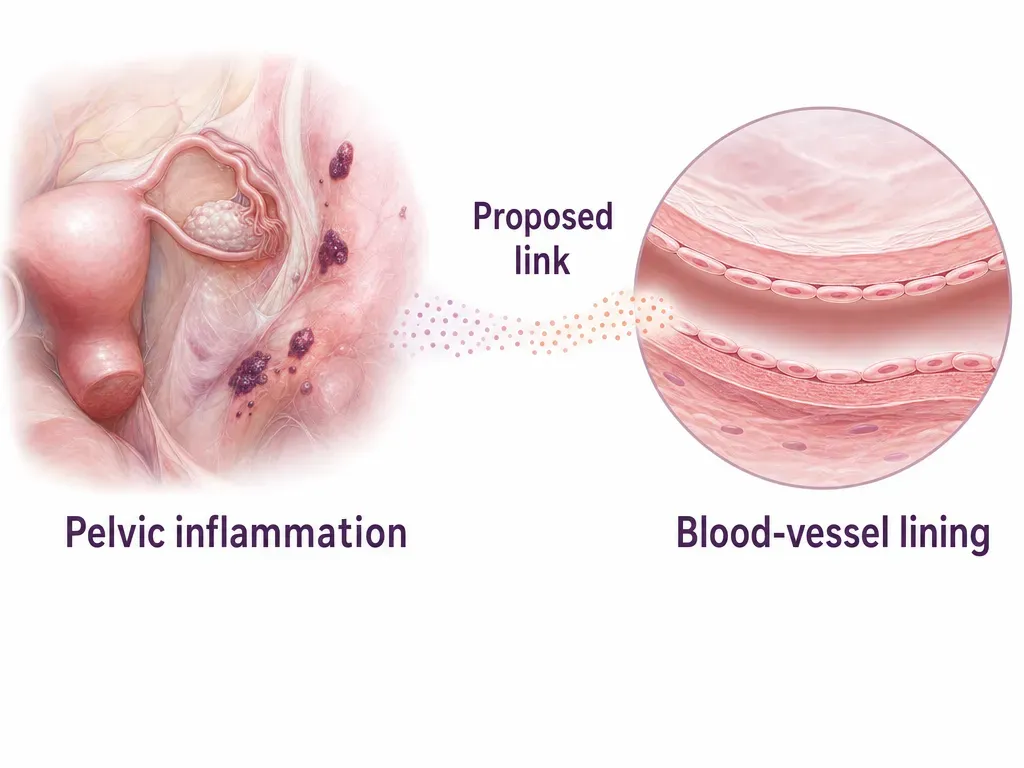
Discuss prevention with your primary care clinician, including whether blood pressure, lipid, and glucose screening is appropriate. This is particularly relevant if you also have high blood pressure, diabetes, a smoking history, or a strong family history of cardiovascular disease.
Environmental exposures worth mentioning
A 2025 review of human observational findings and experimental work on endocrine-disrupting chemicals and female reproductive health described associations involving phthalates, BPA, and PFAS. These findings concern possible contributors to reproductive health problems, not a way to identify the cause of an individual’s condition.
For phthalates, case-control findings included higher urinary breakdown products in women with endometriosis. For BPA, some findings linked higher exposure with poorer assisted reproduction measures, including ovarian response and implantation outcomes. PFAS exposure was associated with possible longer time to pregnancy and altered reproductive outcomes, although findings varied by compound and population.
Environmental exposure is one of many factors being examined. If you work in a high-exposure setting or have another substantial exposure concern, mention it during fertility or gynecology visits so it becomes part of your reproductive history. These associations do not allow a clinician to conclude that a particular exposure caused your endometriosis or PCOS.
Questions to take to your own doctors
Fertility and transfer planning
The diagnosis names alone do not dictate treatment. Ask your clinician to connect each proposed step to the problem it is intended to address.
- Which factor is currently most limiting my fertility: ovulation, uterine or implantation conditions, tubal or pelvic anatomy, or ovarian reserve?
- Would GnRH-agonist pretreatment before HRT make sense for my FET, particularly if I am planning a single-embryo transfer or have had a failed transfer?
- Is the possible benefit worth the added time, injections, side effects, and cost in my situation?
- Does adenomyosis change my transfer preparation based on ultrasound features, uterine size, symptoms, or previous transfer outcomes?
- If I have an endometrioma or previous ovarian surgery, how should ovarian reserve and avoiding repeated ovarian injury affect the plan?
Longer-term care and specialist input
Ask your primary care clinician whether cardiovascular risk screening should be part of your long-term care. If an experimental mechanism or treatment is discussed, ask whether it is an available, proven clinical option or still a hypothesis being tested.
The more information supports both PCOS and endometriosis, the more prudent highly specialized consultation becomes. This may mean a reproductive endocrinologist and infertility specialist, or REI, or an endometriosis specialist whose expertise extends beyond excision surgery.
Bring your symptom history, imaging reports, laboratory results, and records of previous treatment responses to that consultation. Ask the specialist to use those findings and your reproductive goals to identify what needs treatment now and what needs monitoring over time.
References
Yi, Tian, Li et al. GnRH agonist pretreatment in hormonal endometrial preparation: a comparison of two protocols for frozen embryo transfer outcomes. Frontiers in Medicine. 2025.. DOI: 10.3389/fmed.2025.1649012
Park, Jeong, Kim et al. Targeting steroid receptor coactivators for the treatment of benign female reproductive disorders. Endocrine Connections. 2025.. DOI: 10.1530/EC-25-0631
Zhao, Wang, Han et al. The role of mitophagy in female reproductive system diseases: from molecular mechanisms to therapeutic strategies. Frontiers in Endocrinology. 2025.. DOI: 10.3389/fendo.2025.1645711
Lőrincz, Virág, Nagy et al. From Gynecological Endocrine Disorders to Cardiovascular Risk: Insights from Rat Models. Biomedicines. 2025. DOI: 10.3390/biomedicines13123081
. Global, Regional, and National Burden of Endometriosis, PCOS, and Unexplained Infertility and Their Attribution to Infertility, 1990–2021: Global Burden of Disease Study 2021. Journal of Evidence-Based Medicine. 2025.. DOI: 10.1111/jebm.70100
BAYKAL, ERSOY. The effects of endocrine disruptors on the female reproductive system. Turkish Journal of Medical Sciences. 2025.. DOI: 10.55730/1300-0144.6125
Edepli, Yaba. Molecular mechanisms of ovarian fibrosis. Molecular Human Reproduction. 2026.. DOI: 10.1093/molehr/gaaf058
Quick Answers
Can endometriosis cause infertility and pelvic pain in your 20s?
Yes, endometriosis can cause chronic pelvic pain and fertility challenges in your late 20s. Pain can include severe period cramps, pain with sex, and bowel or bladder pain, though symptom severity doesn’t always match how much disease is present.
What does advanced adenomyosis mean?
Advanced adenomyosis usually means more extensive disease within the uterine muscle, often affecting a larger area or reaching deeper into the wall. There is no universally accepted staging system, and adenomyosis does not spread outside the uterus.
What causes estrogen dominance with endometriosis?
Estrogen dominance in endometriosis can come from estrogen made within lesions, inflammation that reinforces estrogen signaling, and a weaker response to progesterone. These changes can favor estrogen in pelvic tissues even when blood hormone labs look normal.
Why do endometriosis doctors focus so much on fertility?
Many doctors focus on fertility because endometriosis can affect it, and fertility is time-sensitive. But fertility should never be the only focus: pain, bowel and bladder symptoms, fatigue, and quality of life matter whether or not pregnancy is a goal.