Symptoms
What if I’ve already tried pelvic floor physical therapy?
The short answer
If pelvic floor PT didn’t help or made symptoms worse, it doesn’t necessarily mean pelvic floor work isn’t a fit. The approach may not have been tailored to endometriosis-related pain patterns, and a different, individualized approach could be worthwhile.
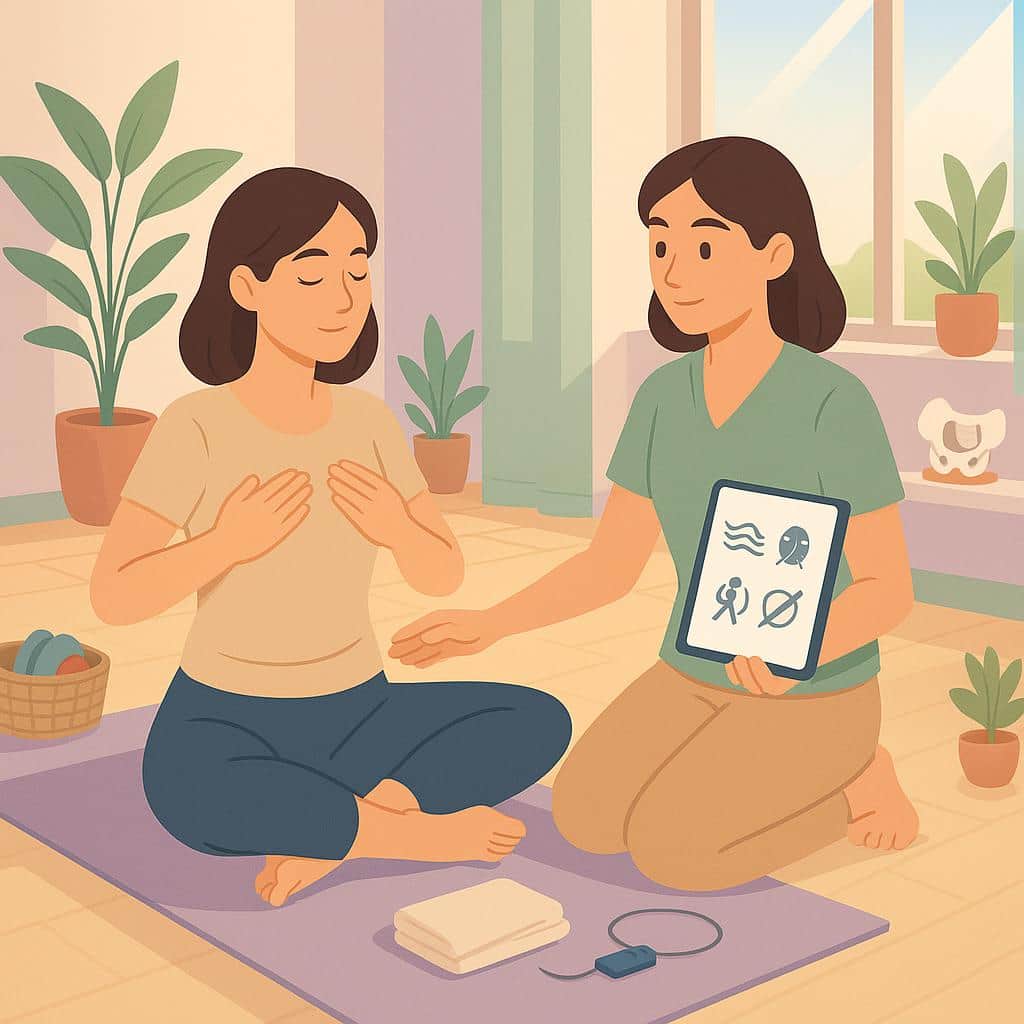
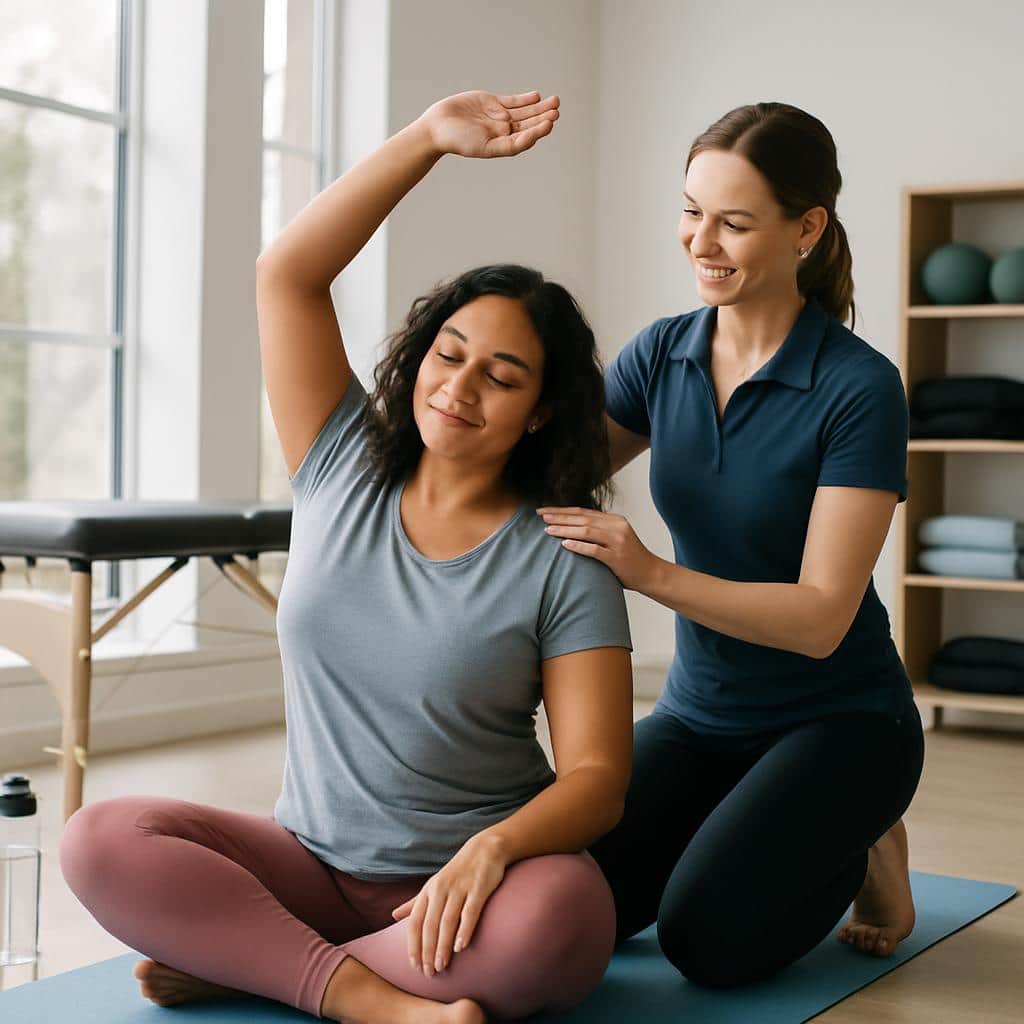
Pelvic floor physical therapy for endometriosis is often very different from general physical therapy, even when both are called “pelvic PT.” If earlier therapy didn’t help or made symptoms worse, that doesn’t necessarily mean pelvic floor work isn’t a fit. It may mean the approach wasn’t tailored to endometriosis-related pain patterns.
In our experience, the most effective plans are highly individualized and coordinated with the rest of your care, taking into account how your symptoms change across your cycle and what’s driving pain in the pelvis. If you’ve tried PT before, we’ll want to understand what was done, how you responded, and what symptoms you have now so we can help you decide whether a different pelvic floor approach could be worthwhile. If you’re unsure, you can reach out to schedule a consultation with our team.
Where to go from here
Understand it, compare it with what you're feeling, then talk it through with us.
Compare
Symptoms it can relate to
Speak with Us
Didn't Find Relief with PT?
Our specialists tailor pelvic floor therapy specifically for endometriosis-related pain patterns. We coordinate care to fit your unique symptoms and cycle changes for better results.
Questions people ask next
All symptoms questionsWhat is pelvic floor physical therapy like, and will it hurt?
Pelvic floor physical therapy usually starts with a conversation and a gentle assessment, and it should not feel like a painful exam. Treatment may include hands-on muscle release and retraining. Some people feel temporary soreness or a brief increase in symptoms afterward.
Is internal pelvic floor therapy always required?
Internal pelvic floor therapy is not always required; the need depends on your symptoms, exam findings, and goals. Alternatives can be used, and nothing is performed without your clear, informed consent. You can pause or decline treatment at any time.
How does pelvic floor physical therapy help pain?
Pelvic floor physical therapy helps by addressing muscles and connective tissues that can amplify pelvic pain. It also helps the pelvic floor relax and engage at the right times, so sitting, urinating, bowel movements, or intercourse are less likely to trigger symptoms.
Do I need pelvic floor therapy before or after endometriosis surgery?
Often, yes. Depending on your symptoms, pelvic floor therapy may help before endometriosis surgery to reduce tightness and improve bowel or bladder symptoms or pain with sex, and after surgery to support comfortable movement and function.
Further reading
Can Physical Rehab Reduce Endo and Adeno Pain?
How pelvic rehab and pelvic floor PT can help endometriosis and adenomyosis pain. What it treats best, who benefits, timelines, red flags, and questions to ask.
Can Physical Therapy Help Endometriosis Pain?
Discover how physical therapy can alleviate endometriosis pain, improve quality of life, and support pain management strategies.
Pelvic Floor & Myofascial Pain After Endometriosis Surgery
Why Do I Still Hurt series article three about pain post-endometriosis surgery. Learn the basics about myofascial pain and treatment options.