



Can Physical Therapy Help Endometriosis Pain?
What “rehab” can realistically do for pain, fatigue, and daily function
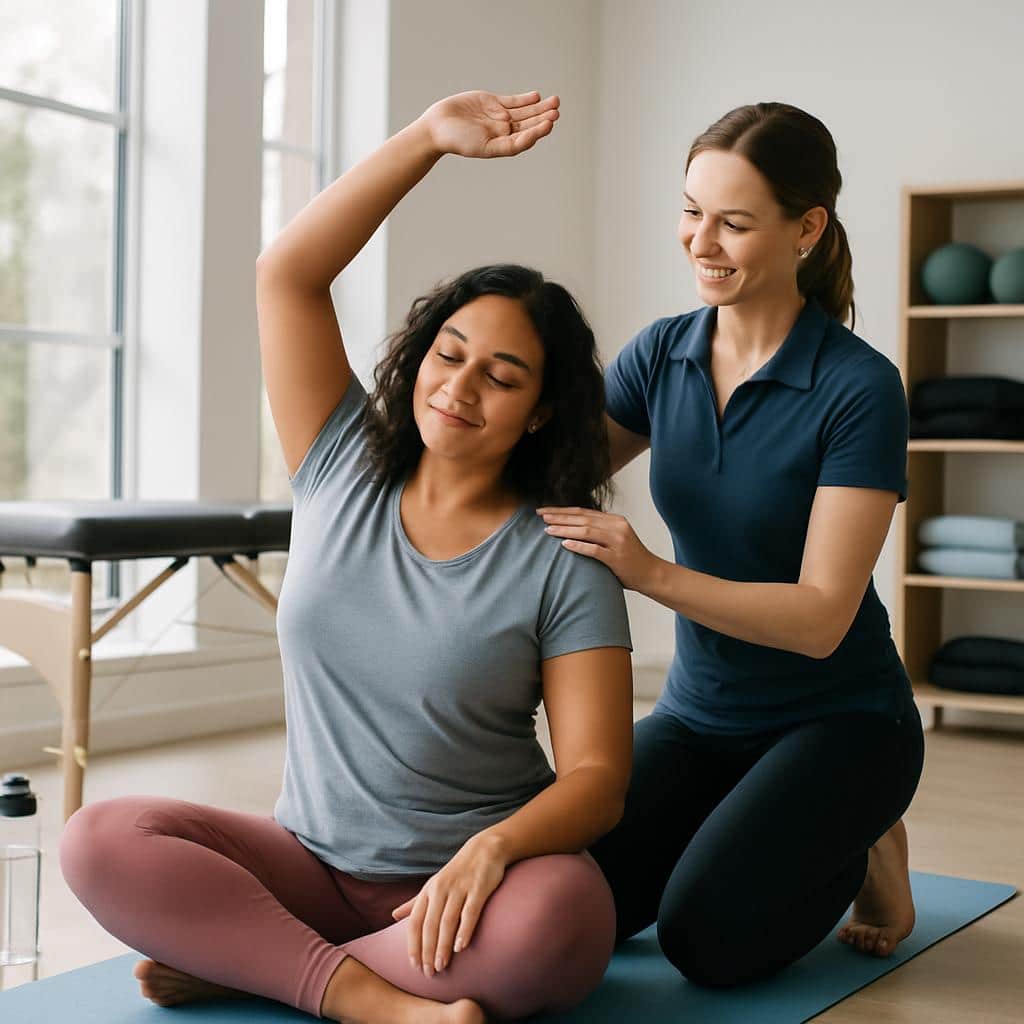
Living with endometriosis or adenomyosis can make your body feel unpredictable: pelvic pain that flares without warning, painful sex, back/hip pain, fatigue that doesn’t match what you did that day, and a nervous system that feels stuck on “high alert.” When you’ve tried medications (or can’t tolerate them), or you’re waiting for surgery, it’s completely reasonable to ask: is there anything else that can help me function now?
One option that’s getting stronger evidence—especially for endometriosis—is physical rehabilitation. This is a broad category that can include pelvic floor physical therapy, structured exercise programs (like yoga or progressive strengthening/aerobic plans), and “electrophysical” treatments (like TENS and other neuromodulation or energy-based modalities). Recent evidence suggests these approaches can reduce pain and improve quality of life for many people, often as a complement to medical care rather than a replacement.
Below is what you should know if you’re considering a referral, deciding whether it’s worth your time and money, or trying to plan what “success” might look like for you.
What “physical rehabilitation” means in real life
When studies talk about “rehabilitation” for endometriosis/adenomyosis symptoms, they’re not talking about one single protocol. The approaches fall into a few practical buckets:
Electrophysical/neuromodulation approaches: These include things like TENS (transcutaneous electrical nerve stimulation), and other clinic-based or device-based modalities used by some physiotherapists. The goal is usually to calm pain signaling, reduce muscle guarding, and improve tolerance to movement.
Therapeutic exercise programs: These can range from yoga and relaxation training to more traditional rehab-style programs that blend aerobic conditioning, strengthening, mobility, breathing, and posture/lumbopelvic control. The aim is not to “exercise the endometriosis away,” but to improve pain modulation, reduce deconditioning, and rebuild confidence in movement.
Manual therapy / pelvic floor physiotherapy (PFP): This may include pelvic floor assessment and treatment, down-training/relaxation for overactive pelvic floor, internal or external soft-tissue work (when appropriate and consented), and education about bladder/bowel mechanics, pacing, and flare management.
If you’ve ever been dismissed with “just do yoga,” you deserve better framing than that. The more helpful question is: which rehab approach fits your dominant symptoms (pain type, pelvic floor involvement, fatigue/deconditioning, anxiety/stress amplification), and can it be delivered in a way you can sustain?
How much can rehab improve pain—what the numbers suggest
When rehabilitation approaches were pooled across multiple controlled trials, the average improvement in pain came out to about 1.2 points lower on a 0–10 pain scale compared with control groups.
That number matters because it’s both hopeful and humbling:
- Hopeful, because for many people a 1-point reduction can be the difference between “I can get through my workday” and “I’m counting minutes until I can lie down.”
- Humbling, because it’s an average—some people improve a lot more, and some barely respond. The results varied widely between studies.
Also important: this is not only about lowering a pain score. Some trials also reported improvements in things that strongly affect daily life—like anxiety, fatigue, fitness, and pressure pain sensitivity—depending on the intervention.
Which rehab options look most promising right now
When studies were grouped by rehab type, the most consistent signal for pain relief came from electrophysical approaches (like TENS and related modalities). In pooled results, this category showed a statistically significant pain reduction, roughly around 1.5 points on a 0–10 scale on average.
Exercise programs showed a positive trend for pain but were less consistent across trials, so the pooled pain result didn’t reach clear statistical significance. That doesn’t mean exercise “doesn’t work.” It often means the studies were small, varied a lot in what “exercise” meant, and used different timelines and outcomes—making it harder to get a single clean estimate.
For manual therapy / pelvic floor physiotherapy, pooled results did not show a statistically significant overall pain benefit. But here’s the patient-relevant nuance: the evidence base is mixed and relatively small, and some individual trials reported improvements in certain pain outcomes. In the real world, pelvic floor PT can be extremely helpful for the right person, especially if you have signs of pelvic floor overactivity (burning, urgency, pain with penetration, tailbone pain, “clenching,” or pain that worsens with stress).
Bottom line: if you’re choosing where to start and you want the most evidence-supported “first swing,” a program that includes either an electrophysical option (like TENS) and/or a structured, progressive exercise plan is reasonable—ideally guided by a clinician who understands pelvic pain.
Find Relief with Expert Physical Therapy
Our specialists are here to help you understand your condition and explore your treatment options.
Schedule Your VisitQuality of life: the outcome that often matters most
Pain scores are only part of the story. In pooled results from multiple studies, rehabilitation improved quality of life overall compared with controls. The average effect size suggests a meaningful shift for many patients—especially when exercise-based programs were included.
That matters because quality of life includes things like:
- How limited you feel by symptoms
- How often you cancel plans
- Whether you can sit, walk, or work without constant symptom monitoring
- Sleep, mood, and coping capacity
If your goal is “I want my life back,” quality-of-life improvement is often the most validating metric—even if pain isn’t completely gone.
What about adenomyosis?
If you have adenomyosis, you’re not imagining it if you struggle to find clear rehab guidance. Most of the evidence in this area is from endometriosis populations, and there were no trials focused on adenomyosis alone in the review. Some studies may include mixed endometriosis + adenomyosis participants, but the results can’t be confidently applied to adenomyosis as a stand-alone diagnosis.
Still, many adenomyosis symptoms overlap with endometriosis (pelvic pain, central sensitization, pelvic floor guarding, fatigue), so rehab may help as a supportive tool—just with more uncertainty about “how much” and “for whom.” But keep in mind, the idea is very similar as to what causes the pelvic floor to destabilize. Inflammation is the major commonality here.
How long does it take to know if it’s helping?
This evidence base mostly measures outcomes right after the intervention period. Longer-term follow-up is limited, so we can’t promise durability over many months.
Practically, many people can use this timeline to guide decision-making:
- After 2–4 weeks: you should see early signals—better flare recovery, less muscle guarding, improved sleep after sessions, or increased tolerance to movement/sitting.
- After 6–12 weeks: you’re better positioned to judge meaningful change (pain frequency/intensity, fewer “can’t function” days, improved sex comfort, or better ability to work/exercise).
- If you are worse after most sessions, or flares are escalating, that’s a sign the plan needs adjusting (intensity, techniques, pacing), not that you “failed PT.”
Practical takeaways: how to make rehab worth your effort
You deserve a plan that respects your pain and your time. Here are the most useful questions to bring to a pelvic pain–informed physiotherapist or prescribing clinician:
- “Based on my symptoms, do you suspect pelvic floor overactivity, nerve sensitization, deconditioning, or all three?”
- “What’s the plan if I flare after sessions—how will we modify intensity and pace?”
- “Could TENS be appropriate for me, and how would I use it (where, how long, how often)?”
- “What outcome are we tracking besides pain (fatigue, sitting tolerance, painful sex, bowel/bladder symptoms, work attendance)?”
- “At what point do we decide this approach isn’t helping enough and pivot?”
Reality check: why results vary (and what this can’t replace)
Rehabilitation is not a cure for endometriosis or adenomyosis. It does not remove lesions, shrink adenomyosis, or guarantee fertility outcomes. What it can do—based on current evidence—is help some people lower pain and improve day-to-day functioning, especially when combined with appropriate medical management.
Also, not all rehab is equal. The trials varied widely, and only a small portion were at low risk of bias. That means your results will depend heavily on the quality of the program, the clinician’s pelvic pain expertise, your comorbidities (migraine, IBS, fibromyalgia, hypermobility, trauma history), and whether your underlying disease is being treated adequately.
If you’re bleeding heavily, becoming anemic, having rapidly worsening symptoms, or unable to function—rehab should be supportive, not a detour away from evaluating medical or surgical options. The more complex your symptoms the more you would likely benefit from an endometriosis specialist's consultation and care.
References
Rodríguez-Ruiz M, Sierra-Artal B, Lozano-Lozano M, Artacho-Cordón F. Impact of Physical Rehabilitation on Endometriosis and Adenomyosis-Related Symptoms: A Systematic Review and Meta-Analysis. Journal of Clinical Medicine. 2025.. DOI: 10.3390/jcm14238284
Quick Answers
How long do endometriosis flare-ups last?
Endometriosis flare-ups have no single usual length: some last a few hours to a couple of days, while others span an entire cycle window or blend into more constant pain. Many flares track with hormonal shifts, but some pain may not follow a calendar pattern.
Can I fly with a large endometrioma?
Yes, many people can fly with a large endometrioma, but safety depends on your symptoms and individual risk. The main concern is the ovary twisting or, less commonly, cyst rupture; sudden severe pain or worsening one-sided pain can be warning signs.
Why do endometriosis patients try alternative medicine?
Many people with endometriosis try alternative medicine after years of pain without clear answers or lasting relief. Side effects, persistent symptoms, or surgery feeling out of reach can lead them to seek more control and better day-to-day functioning.
Can I keep working with endometriosis?
Yes, many people with endometriosis keep working, but it often requires a realistic plan for pain, fatigue, brain fog, heavy bleeding, and unpredictable flares. Depending on your situation, this may mean accommodations, temporarily reducing hours, or time off for treatment.