

You suspect you may have endometriosis or adenomyosis
Why does endometriosis cause tailbone pain?
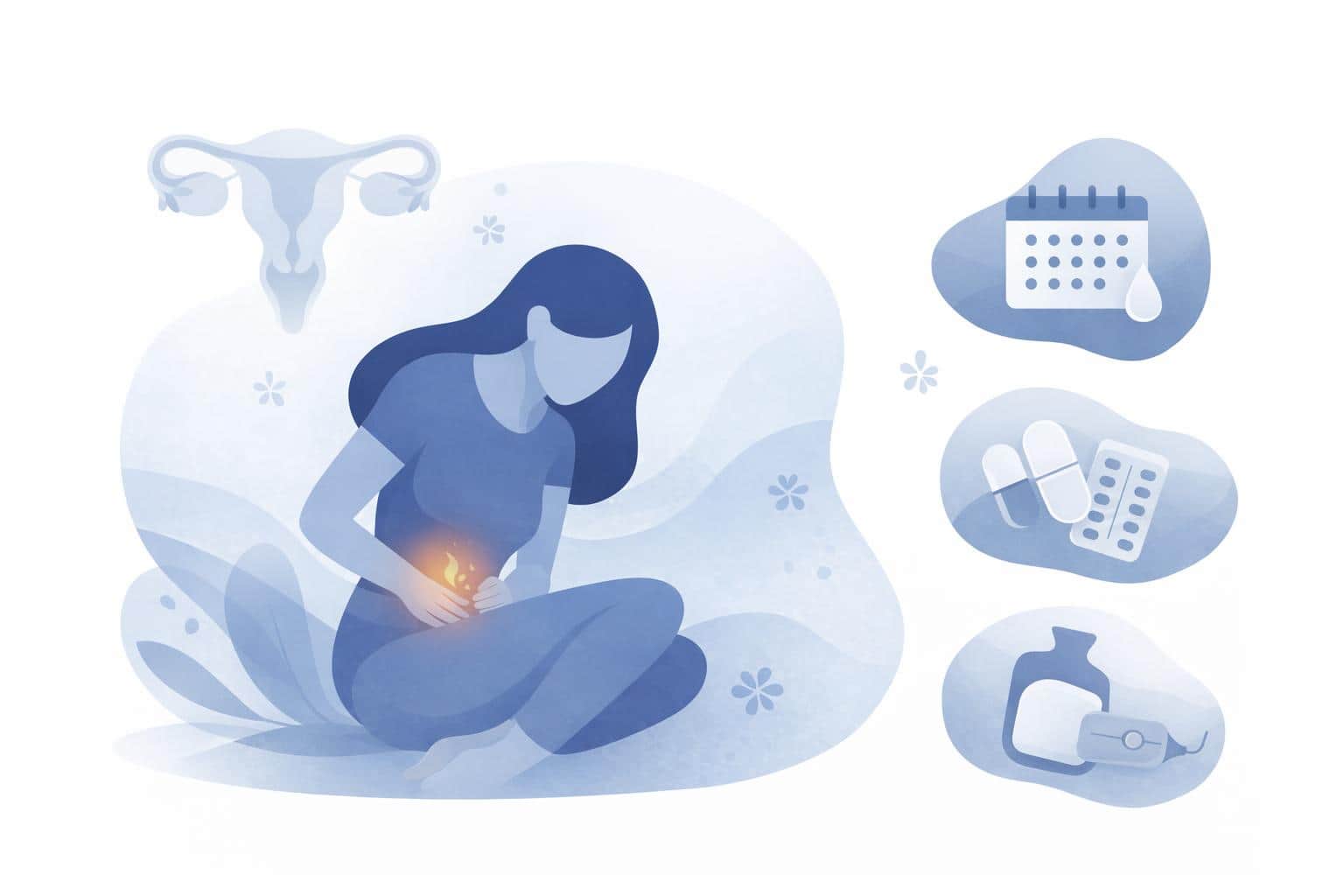
Tailbone (coccyx) pain can happen with endometriosis even though the coccyx isn’t a reproductive organ. One common reason is pelvic floor dysfunction: ongoing pelvic inflammation and pain can “train” the pelvic floor muscles to stay clenched and overactive, and those muscles attach near the tailbone and can refer pain into the coccyx, low back, hips, and rectum. Over time, nerve sensitization can also develop, meaning the nervous system becomes better at producing pain signals—so tailbone discomfort can persist or flare even when the original trigger seems small.
In other cases, tailbone pain is part of a broader endometriosis pain pattern that overlaps with bowel symptoms, deep pelvic pressure, or pain with sitting, and it may reflect how your muscles, fascia, and nerves are interacting—not just where endometriosis lesions are visible. That’s why effective care often looks beyond the lesions alone and includes a careful evaluation of pelvic floor tone, myofascial trigger points, posture/movement patterns, and coexisting conditions like adenomyosis.
If tailbone pain is one of your dominant symptoms, our team can help you map out likely pain drivers and build a plan that may include expert excision surgery when indicated and pelvic floor therapy to address muscle guarding and sensitization. If you’d like, reach out to schedule a consultation so we can review your symptoms in detail and discuss the next best steps.
Tailbone pain isn’t “just in your head.”
Endometriosis can drive coccyx pain through pelvic floor muscle spasm and nerve sensitization. Our specialists can pinpoint the cause and build a plan to calm inflammation, treat endometriosis, and relieve pelvic floor–related pain.
Schedule a consultRelated Procedures
Learn More

Pelvic Floor & Myofascial Pain After Endometriosis Surgery
Why Do I Still Hurt series article three about pain post-endometriosis surgery. Learn the basics about myofascial pain and treatment options.

Why Your Endometriosis Pain Can Feel So Unrelenting
Discover why endometriosis causes pain and scarring. Learn about TGF-β signaling and its role in symptoms and treatment. Empower your health journey.
Different Types of Endometriosis Pain Explained
Explore types of endometriosis pain, evaluation, and evidence-based treatments, including triggers, pelvic floor therapy, CNS sensitization, and adenomyosis.
Related Pages
Pelvic Floor Therapy
Learn how pelvic floor therapy helps relieve endometriosis and adenomyosis pain by addressing muscle tension, nerve sensitization, and movement dysfunction.
Evaluation & Diagnosis
At the Lotus Endometriosis Institute, evaluation begins with listening. Our diagnostic process uncovers the true source of pain and related conditions often missed elsewhere.