Deep Disease
How is thoracic endometriosis treated?
The short answer
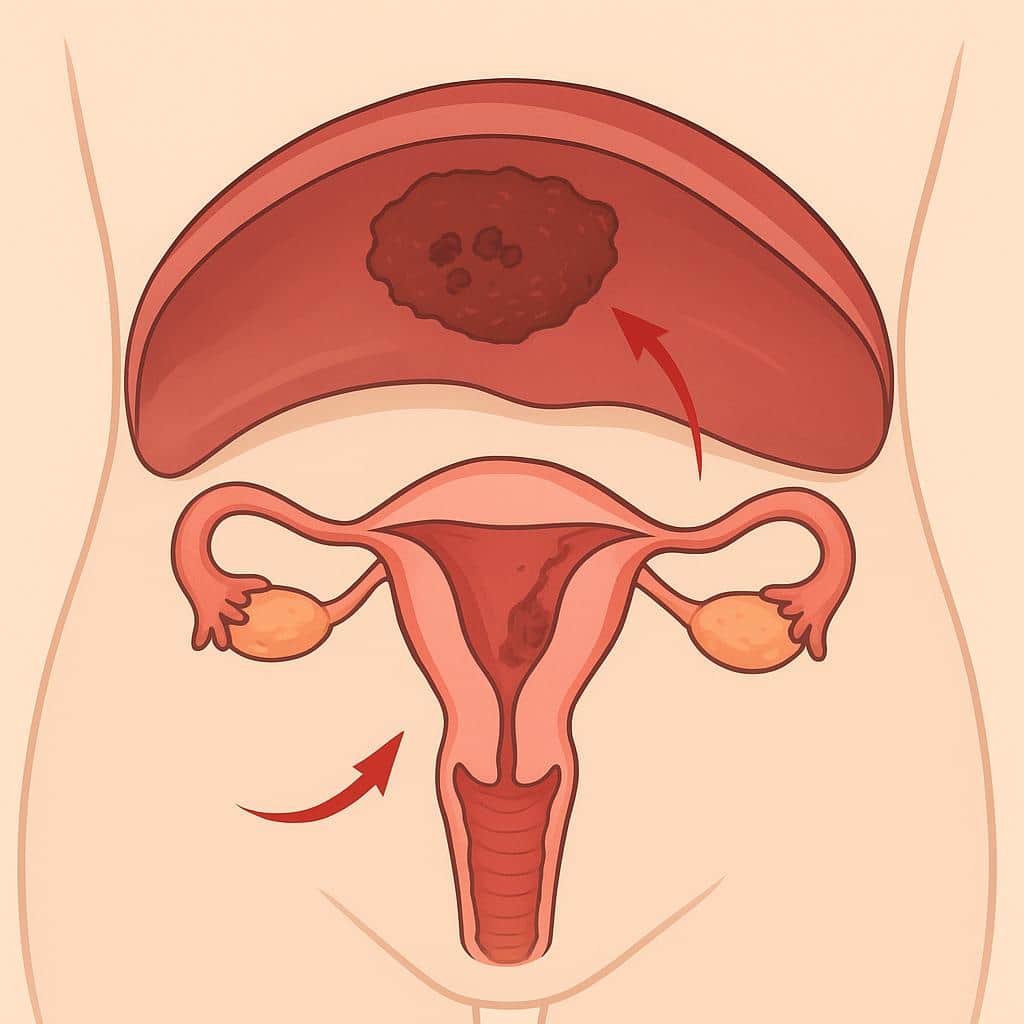
Thoracic endometriosis is usually treated with hormonal suppression, surgery, or both, depending on symptoms, imaging findings, and recurrent chest events. Hormonal therapy aims to reduce cyclic disease activity, while surgery focuses on removing endometriosis and repairing affected areas.
Thoracic endometriosis is usually treated with hormonal suppression, surgery, or a combination, depending on your symptoms, imaging findings, and whether you have recurrent events like catamenial pneumothorax (lung collapse around your period) or bleeding in the chest. Hormonal therapy aims to reduce the disease’s cyclic activity, while surgery focuses on identifying and removing endometriosis and repairing affected areas.
When surgery is needed, it often works best when a gynecologic excision surgeon and a thoracic surgeon coordinate care so both pelvic and chest disease are addressed thoughtfully. Our team can help evaluate your history, how your symptoms line up with your cycle, and prior treatments to build a plan that prioritizes both symptom control and long-term risk reduction. Reach out to schedule a consultation if you’d like us to review your case.
Where to go from here
Understand it, compare it with what you're feeling, then talk it through with us.
Compare
Symptoms it can relate to
Speak with Us
Take Control of Thoracic Endometriosis
Our specialists tailor hormonal and surgical treatments to your unique needs, addressing both pelvic and chest disease. We’re here to help you reduce symptoms and improve your quality of life.
Questions people ask next
All deep disease questionsWill hormonal therapy help chest pain from endometriosis?
Hormonal therapy can help some patients with endometriosis-related chest pain by suppressing cyclical hormonal signals that drive inflammation and pain flares. Relief varies, and it manages symptoms but doesn’t reliably eliminate existing endometriosis lesions.
Can medication manage diaphragmatic endometriosis, or is surgery needed?
Medication can help many patients manage diaphragmatic endometriosis symptoms, but it does not remove the disease. Surgery becomes more likely when pain continues despite medication, deeper nodules are suspected, or symptoms raise concern for chest involvement.
Do hormones or birth control treat endometriosis?
Hormonal birth control and other hormone therapies can reduce endometriosis symptoms, but they usually don’t treat the disease itself. They don’t remove endometriosis lesions or restore normal anatomy, so pain can return when you stop them.
Does surgery cure endometriosis?
No surgery can promise a permanent cure for endometriosis. When the disease is carefully identified and thoroughly removed with excision by an experienced surgical team, many patients experience significant, long-lasting relief.
Further reading
When Endometriosis Affects Your Lungs, What Can Help?
Discover the rare thoracic endometriosis syndrome (TES), its symptoms, and effective treatment options for lung-related endometriosis.
Thoracic Endometriosis: Understanding Symptoms, Diagnosis, and Treatment Options
Chest pain or shortness of breath during your period? Thoracic Endometriosis Syndrome is a rare but serious condition often missed for years. Learn the signs.
Diaphragmatic Endometriosis: Symptoms and Treatment Options
Learn what diaphragmatic endometriosis is, how it affects the diaphragm, key symptoms, causes, diagnosis options, treatments, and potential complications.