Deep Disease
Can medication manage diaphragmatic endometriosis, or is surgery needed?
The short answer
Medication can help many patients manage diaphragmatic endometriosis symptoms, but it does not remove the disease. Surgery becomes more likely when pain continues despite medication, deeper nodules are suspected, or symptoms raise concern for chest involvement.
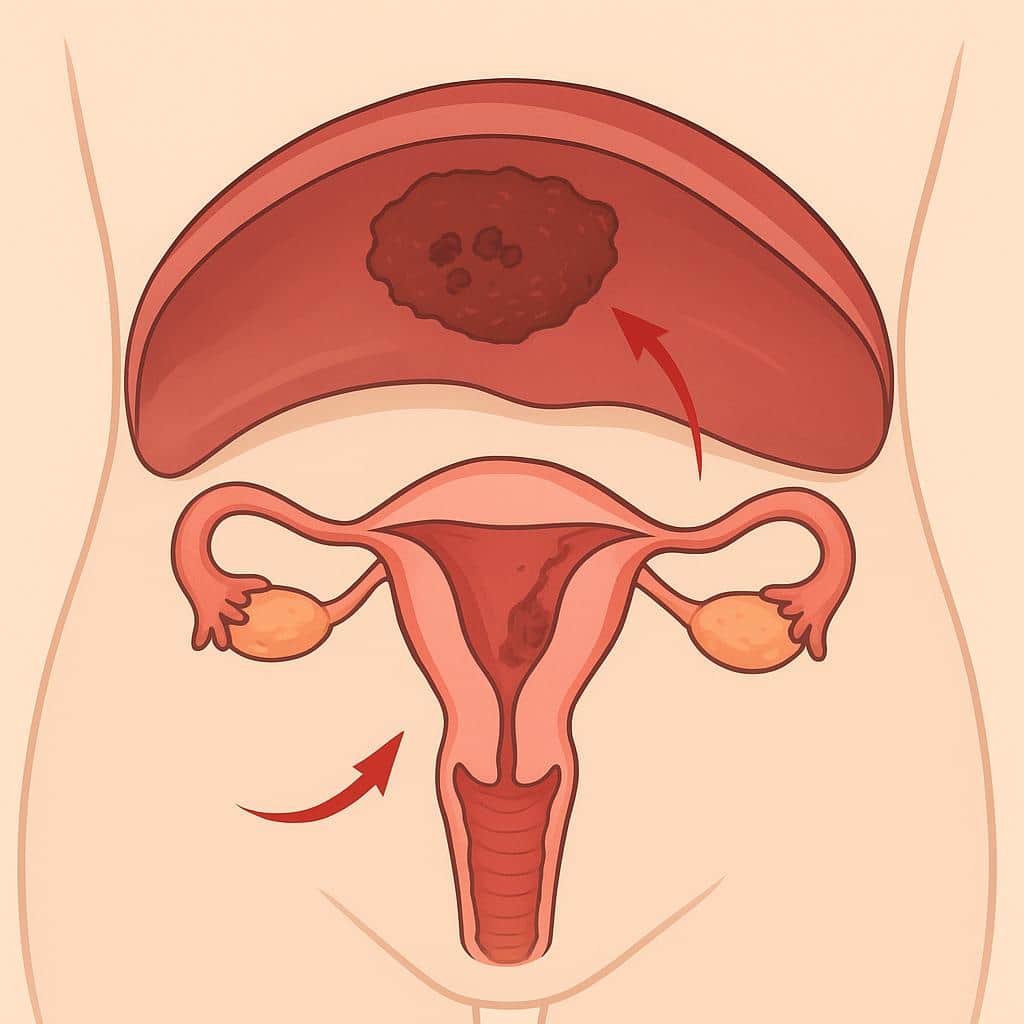
Medication can help many patients manage diaphragmatic endometriosis symptoms by suppressing cycling and reducing the inflammation and irritation that drive pain. Hormonal suppression may lessen flare-ups, but it doesn’t remove endometriosis from the diaphragm, so symptoms can persist or return if disease remains active.
Surgery becomes more likely when pain continues despite medication, imaging or laparoscopy suggests deeper nodules, or symptoms raise concern for thoracic involvement, such as cyclical chest or shoulder pain or breathing-related symptoms. In those situations, laparoscopic excision of diaphragmatic disease, with coordinated care from a thoracic surgeon when needed, can be the most definitive way to address the lesions. Our team can help you weigh medication versus excision based on your symptoms, goals, and the extent of disease. You can reach out to schedule a consultation.
Where to go from here
Understand it, compare it with what you're feeling, then talk it through with us.
Compare
Symptoms it can relate to
Speak with Us
Struggling with Diaphragmatic Pain?
Our specialists can tailor medication to ease your symptoms or discuss surgery if needed. We’re here to help manage your diaphragmatic endometriosis effectively and improve your quality of life.
Questions people ask next
All deep disease questionsWill hormonal therapy help chest pain from endometriosis?
Hormonal therapy can help some patients with endometriosis-related chest pain by suppressing cyclical hormonal signals that drive inflammation and pain flares. Relief varies, and it manages symptoms but doesn’t reliably eliminate existing endometriosis lesions.
Best long-term treatment for diaphragmatic endometriosis?
For many patients, complete excision by a surgeon with advanced experience in upper-abdominal endometriosis offers the most durable long-term relief for diaphragmatic endometriosis. Mapping before surgery and a tailored surgical plan are key to treatment success.
Why don’t hormones help my endometriosis pain?
Hormones may not help your endometriosis pain because they mainly reduce cycle-driven inflammation and bleeding, not every source of pain. Scarring, nerve growth, a sensitized nervous system or pelvic floor problems may keep pain going even when periods are suppressed.
Further reading
Diaphragmatic Endometriosis: Symptoms and Treatment Options
Learn what diaphragmatic endometriosis is, how it affects the diaphragm, key symptoms, causes, diagnosis options, treatments, and potential complications.
Should You Try Hormone Therapy Before Endometriosis Surgery?
Explore the benefits of hormone therapy before endometriosis surgery. Learn about GnRH agonists and their impact on pain and recovery.
Thoracic Endometriosis: Understanding Symptoms, Diagnosis, and Treatment Options
Chest pain or shortness of breath during your period? Thoracic Endometriosis Syndrome is a rare but serious condition often missed for years. Learn the signs.