Symptoms
Is my pelvic pain from pelvic floor dysfunction or endometriosis?
The short answer
Your pain pattern and a hands-on pelvic exam can help distinguish pelvic floor dysfunction from endometriosis. Pain reproduced by pressing on specific pelvic floor muscles strongly suggests the muscles are a major source of pain, even if you also have endometriosis.
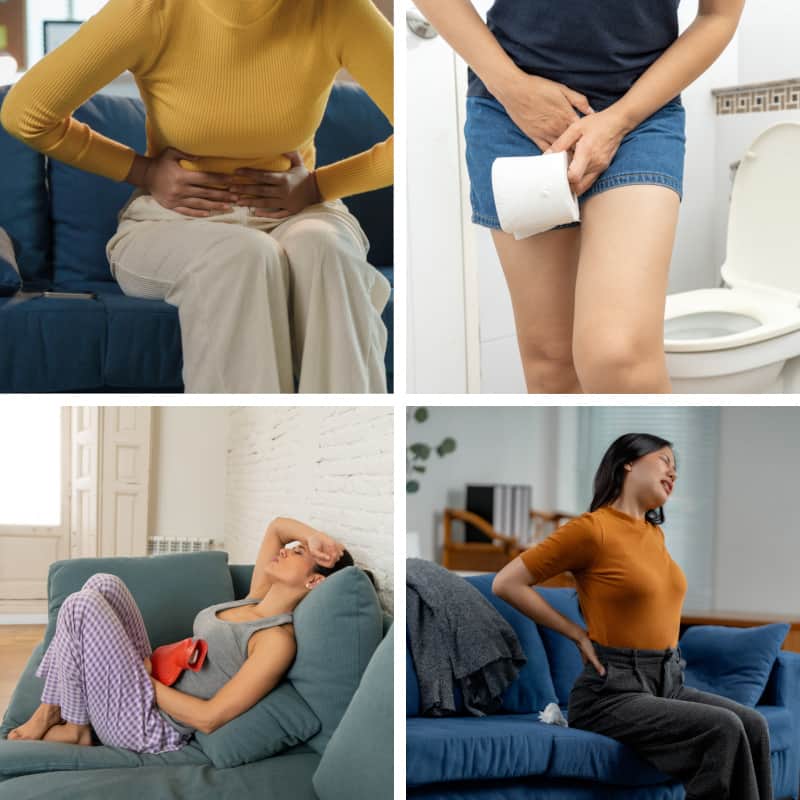
Pelvic floor-driven pain often has a different pattern than active endometriosis pain. It may flare with sitting, penetration, or after bowel movements, and it’s commonly described as burning, tightness, spasm, heaviness, or pressure rather than a deep cyclic ache.
A hands-on pelvic exam can help distinguish between these possibilities by checking for muscle tenderness, trigger points, and how well the muscles relax and coordinate. When pressing on specific pelvic floor muscles reliably reproduces your pain, that strongly suggests the muscles are a major source of pain, even if you also have endometriosis. Our team can evaluate your symptoms and exam findings together and help you decide on the next step that makes the most sense for lasting relief.
Where to go from here
Understand it, compare it with what you're feeling, then talk it through with us.
Speak with Us
Struggling to Pinpoint Your Pain?
Pelvic pain can stem from different causes like pelvic floor dysfunction or endometriosis. Our specialists perform thorough exams to identify the source and guide you to relief.
Questions people ask next
All symptoms questionsCan pelvic floor dysfunction worsen pelvic pain?
Yes, tight or overactive pelvic floor muscles can amplify pain signals and make pelvic pain more intense and constant. This can worsen pain with sex, bowel movements, urination, or sitting, and pain may persist after the original trigger has quieted down.
How do I tell endometriosis from IBS, IC, or pelvic floor dysfunction?
Timing is a key clue: endometriosis symptoms may flare around periods, ovulation, or deep penetrative sex. IBS is more linked to meals and stress; IC commonly causes urinary symptoms with negative urine cultures, while pelvic floor dysfunction tends to cause muscle spasm and pain with sitting.
Why does pain worsen in certain positions or times in my cycle?
Pain in certain positions often points to pressure or stretching of sensitive pelvic structures. Cycle-related flares can reflect hormone-driven inflammation and tissue changes, with many patients noticing worse symptoms around ovulation or before a period.
Can pelvic floor therapy reduce endometriosis pain?
Yes, pelvic floor therapy can help reduce endometriosis pain, especially when tight pelvic muscles and sensitized nerves contribute to it. It can help muscles relax and improve coordination, as a complement to surgery or medical treatment, not a replacement.
Further reading
Different Types of Endometriosis Pain and What Helps
Learn how endometriosis pain can feel, what may drive each pattern, and which assessment and treatment options to discuss with your doctor.
Can Physical Therapy Help Endometriosis Pain?
Discover how physical therapy can alleviate endometriosis pain, improve quality of life, and support pain management strategies.
What Else Could It Be? Ruling Out Other Causes
Explore essential insights on endometriosis and other causes of pelvic pain. Learn about differential diagnoses and effective treatment options.