Deep Disease
What treatments help with cyclical shoulder pain?
The short answer
Hormonal suppression may lessen cyclical shoulder pain for some patients, and anti-inflammatory medicines may help. If diaphragmatic endometriosis is strongly suspected or confirmed and symptoms significantly affect your life, excision surgery with an experienced team can offer durable relief.
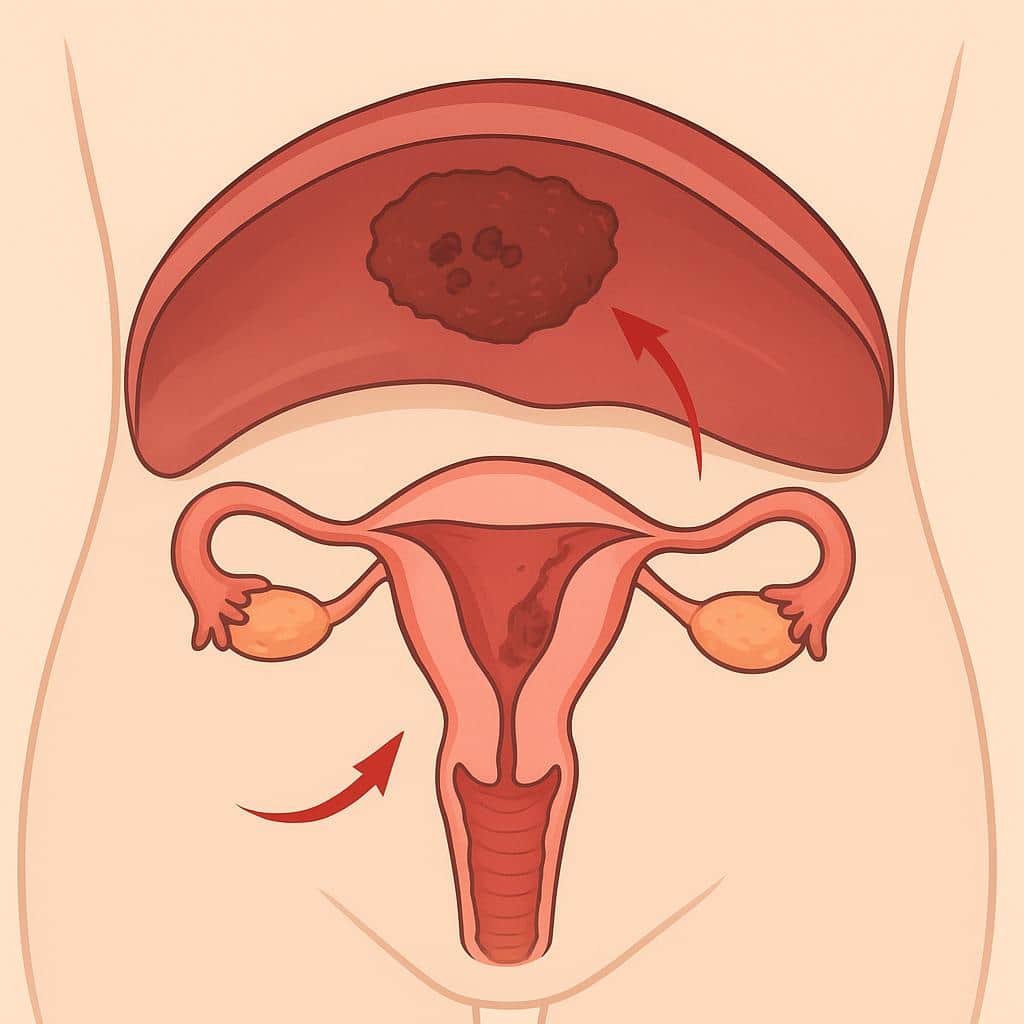
Cyclical shoulder pain can signal hormone-driven inflammation, sometimes related to diaphragmatic or thoracic endometriosis, so treatment often focuses on both symptom control and the underlying cause. Hormonal suppression may reduce cycle-linked bleeding and inflammation, which can lessen predictable monthly flares for some patients.
While we’re working toward a clear diagnosis and long-term plan, pain-focused care can help you function day to day. Care may include anti-inflammatory medications, targeted nerve-pain options when appropriate, and pacing strategies tailored to your flare pattern. If diaphragmatic endometriosis is strongly suspected or confirmed and symptoms are significantly affecting your life, excision surgery with an experienced team can be the most durable path to relief. Reach out to schedule a consultation with us so we can review your symptoms and imaging and discuss next steps.
Where to go from here
Understand it, compare it with what you're feeling, then talk it through with us.
Compare
Symptoms it can relate to
Speak with Us
Struggling with Cyclical Shoulder Pain?
Your pain may be linked to hormone-driven inflammation from deep endometriosis. Our specialists can help diagnose and create a personalized treatment plan to reduce flare-ups and improve daily comfort.
Questions people ask next
All deep disease questionsCan medication manage diaphragmatic endometriosis, or is surgery needed?
Medication can help many patients manage diaphragmatic endometriosis symptoms, but it does not remove the disease. Surgery becomes more likely when pain continues despite medication, deeper nodules are suspected, or symptoms raise concern for chest involvement.
Will hormonal therapy help chest pain from endometriosis?
Hormonal therapy can help some patients with endometriosis-related chest pain by suppressing cyclical hormonal signals that drive inflammation and pain flares. Relief varies, and it manages symptoms but doesn’t reliably eliminate existing endometriosis lesions.
Is my shoulder or chest pain from diaphragmatic endometriosis?
Diaphragmatic endometriosis can cause shoulder or chest pain that tends to be cyclical and frequently right-sided, flaring before or during your period. Many non-gynecologic causes can also explain this pain, especially if it’s left-sided or not tied to your cycle.
Is my chest pain cyclical and possibly endometriosis-related?
Chest pain tends to be cyclical when it predictably flares in the same part of your menstrual cycle, and endometriosis could be contributing. Tracking timing, location and breathing-related symptoms for 2–3 cycles can make the pattern clearer.
Further reading
Diaphragmatic Endometriosis: Symptoms and Treatment Options
Learn what diaphragmatic endometriosis is, how it affects the diaphragm, key symptoms, causes, diagnosis options, treatments, and potential complications.
Thoracic Endometriosis: Understanding Symptoms, Diagnosis, and Treatment Options
Chest pain or shortness of breath during your period? Thoracic Endometriosis Syndrome is a rare but serious condition often missed for years. Learn the signs.
Should You Try Hormone Therapy Before Endometriosis Surgery?
Explore the benefits of hormone therapy before endometriosis surgery. Learn about GnRH agonists and their impact on pain and recovery.