


You are evaluating treatment options
Why was more endometriosis found in surgery than on imaging?

It’s very common for surgery to reveal more endometriosis than ultrasound or MRI suggested. Imaging is best viewed as a tool to estimate likelihood and to map certain higher-risk areas for surgical planning—not a reliable “yes/no” detector for every lesion. Many endometriosis lesions are simply hard to visualize on scans because they can be small, superficial, hidden by normal anatomy, or located in areas where imaging performance varies (and where interpretation depends heavily on technique and experience).
Another reason is that scans are better at identifying some patterns—like ovarian endometriomas or certain deep bowel disease—than they are at detecting disease on ligaments, the bladder/anterior compartment, or in complex multi-compartment cases. Imaging also can’t always capture the full extent of adhesions, scar-like tissue, or subtle inflammatory changes that may become obvious only when the pelvis is directly inspected during laparoscopy.
When we plan surgery, we use imaging as one piece of the puzzle alongside your symptom story, exam findings, and overall pattern—because the goal is safe, complete mapping and excision when appropriate. If your operative findings didn’t “match” your scan, it doesn’t mean the imaging was pointless or that your symptoms were exaggerated—it usually reflects the known limits of what scans can show. If you’re trying to make sense of your results or next steps, our team can help you review what was found, what was removed, and what else (like adenomyosis or coexisting pain drivers) may still need to be addressed.
Imaging missed it—now what?
It’s common for surgery to find more endometriosis than ultrasound or MRI showed. Our endometriosis specialists can review your imaging and op note, explain what was found, and plan next-step treatment for persistent symptoms.
Schedule a consultLearn More

Can Scans and Tests Find Endometriosis? Know the Limits
Discover why ultrasounds may miss endometriosis. Learn about imaging limits and recent research in our latest blog. Find clarity in your diagnosis.

What to Expect Before, During, and After Endometriosis Surgery
Discover what to expect before, during, and after endometriosis surgery. Insights on pain relief, preparation, recovery from reliable recent research.

What is Deep Infiltrating Endometriosis? Understanding the Basics
Discover deep infiltrating endometriosis, its symptoms, and diagnosis. Learn how it differs from other types of endometriosis for better management.
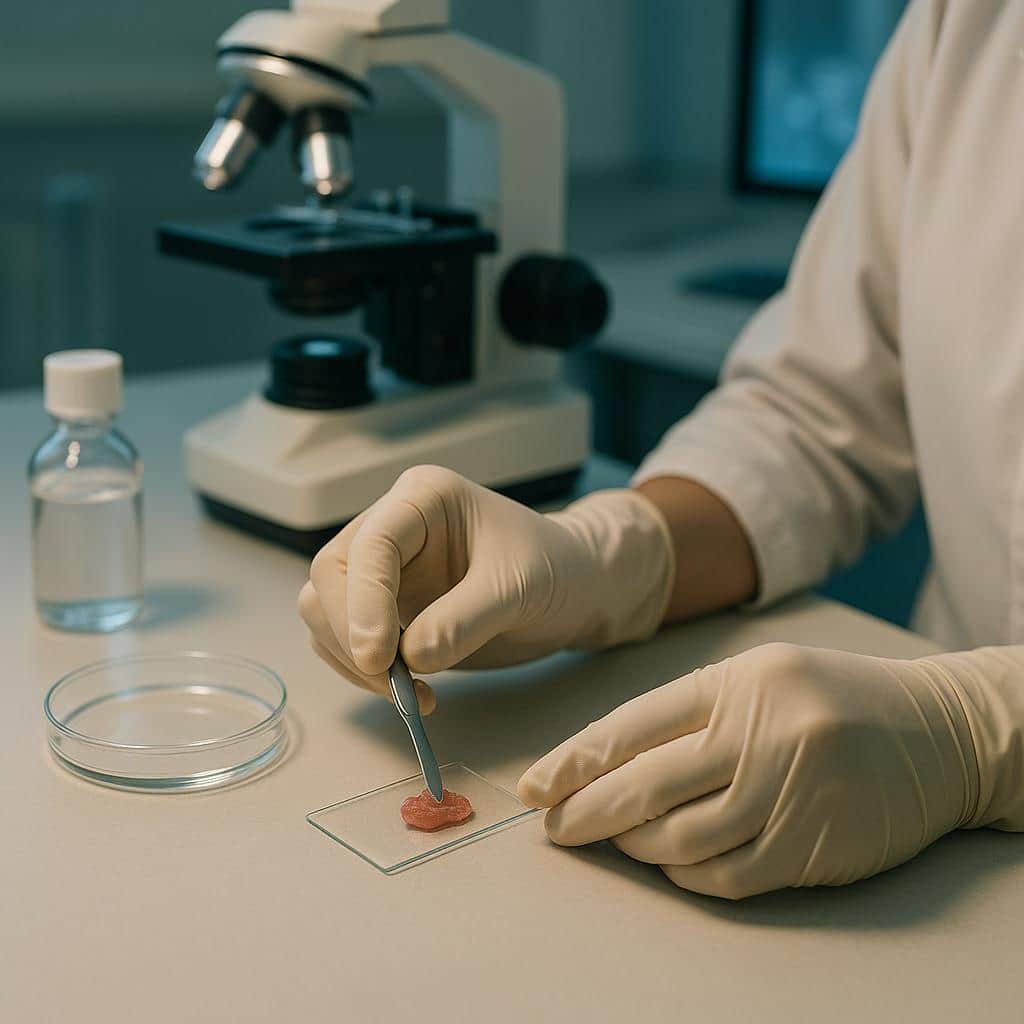
Endometriosis Biopsy: A Definitive Method for Diagnosis
Learn when a biopsy is essential for confirming endometriosis or adenomyosis. Explore symptoms, research findings, and options beyond surgery.
Related Pages
Evaluation & Diagnosis
At the Lotus Endometriosis Institute, evaluation begins with listening. Our diagnostic process uncovers the true source of pain and related conditions often missed elsewhere.
Surgery & Advanced Excision
World-class robotic excision surgery by a quadruple board-certified surgeon. Precision matters—and your future depends on it.
Endometriosis & Adenomyosis Services
Explore comprehensive endometriosis and adenomyosis services, including advanced diagnosis, robotic excision surgery, and integrative care at Lotus Endometriosis Institute.