


Thoracic & diaphragmatic endometriosis
Endometriosis on the diaphragm, the breathing muscle under the lungs, or, more rarely, inside the chest, on the lining of the lung or the lung itself.
Medically reviewed by Dr. Steven Vasilev, MD
Board-Certified Gynecologic Oncologist & Integrative Medicine Diplomate, Advanced Robotic Endometriosis Excision Surgeon, Director of Lotus Endometriosis Institute · Updated Nov 2026
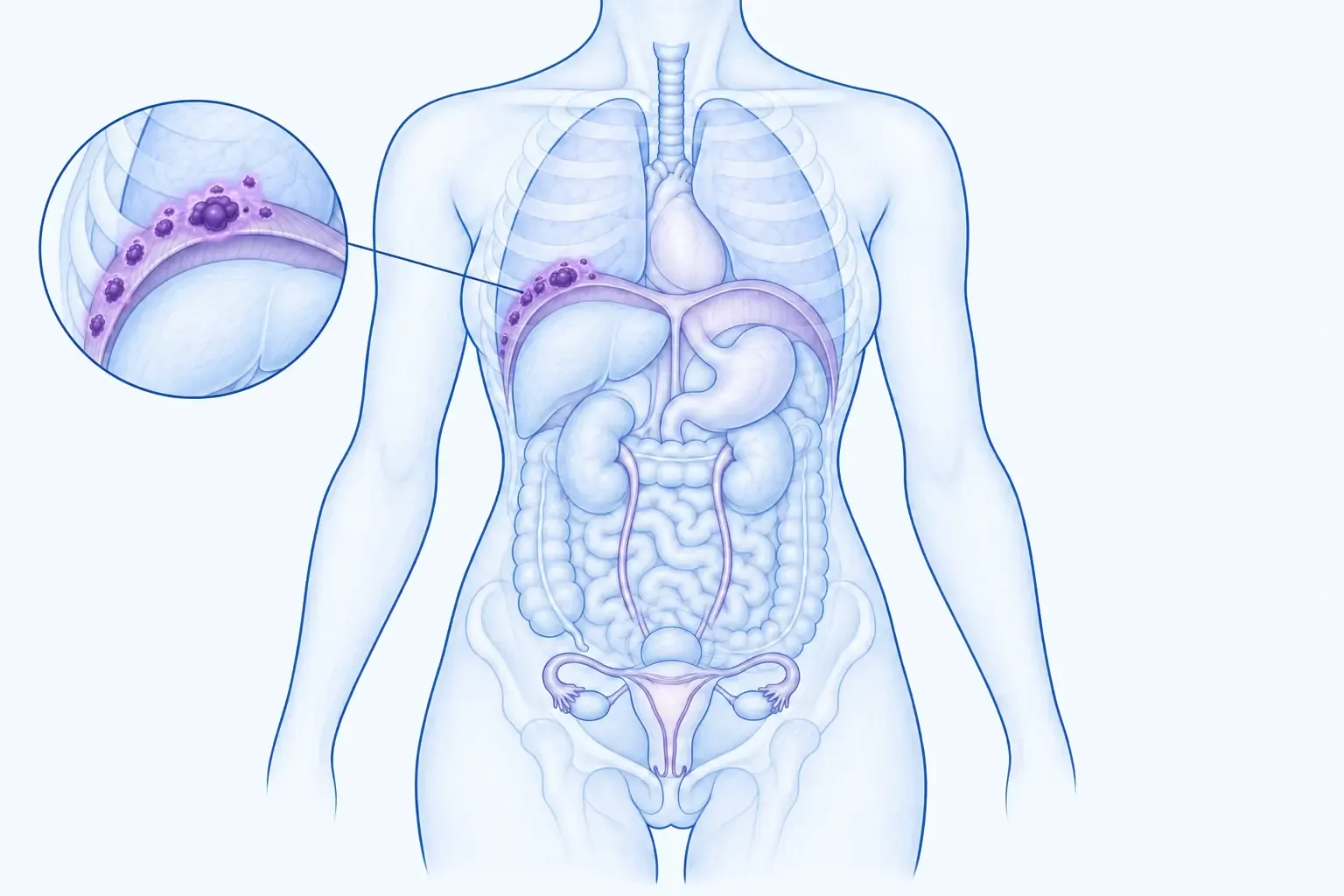
- Disease on the diaphragmHere on the right side, over the liver, where it's most often found
- The diaphragmThe dome-shaped muscle between the chest and the abdomen
- The right lungJust above: rarely, the disease goes through into the chest
- Usually on the right
- on the diaphragm, over the liver
- Tied to your cycle
- symptoms flare just before or during a period
- Normal scans
- don't rule it out: small spots are easily missed
The basics
What is it?
Endometriosis on the diaphragm, the dome-shaped muscle that separates the chest from the abdomen, usually on its right side. Rarely, it goes through the diaphragm into the chest, onto the lining of the lung or the lung.
Three things to know
- It's mostly on the right
The diaphragm is one of the more common places for endometriosis outside the pelvis. Most disease sits on its right side, over the liver, which is why the pain is usually in the right shoulder or chest.
- It can be silent
Small spots on the diaphragm may cause no symptoms at all. That's why the diaphragm should be looked at during every endometriosis surgery, symptoms or not.
- Not every chest or shoulder pain is endometriosis
Shoulder and chest pain have many other causes, in the spine, the lungs or the heart, especially pain on the left or pain that doesn't follow your cycle.

Symptoms
How does it show up?
Usually as pain that comes with your period: in the right shoulder, the chest or under the right ribs, often sharper with a deep breath or a cough. More rarely, breathlessness, a collapsed lung or coughing up blood.
Because the pain is so far from the pelvis, it's often put down to anxiety or a chest infection. Many people also have pelvic endometriosis, but not everyone does. Symptoms that return with each period are the clue worth raising.
- Shoulder painUsually the right shoulder, sometimes the neck or arm, around your period
- Chest or rib painOften one-sided, and sharper with a deep breath or a cough
- Shortness of breathBreathlessness that comes and goes with your cycle
- Pain under the right ribsUpper belly pain on the right, around your period
- A collapsed lungSudden one-sided chest pain and breathlessness around a period: rare
- Coughing up bloodWith a period: rare, but a strong clue
Rarely, a lung can collapse or blood can collect around it. Sudden chest pain, new or worsening shortness of breath, fainting, or coughing up a lot of blood needs urgent care.

Diagnosis
How is it diagnosed?
The timing of your symptoms is the strongest clue. Scans can raise suspicion and rule out other causes, but they often miss small spots, so surgery is usually what confirms it.
- Your symptom historyAt the first visitWhen the pain starts, which side it's on, and whether it flares with your period or a deep breath. Pelvic symptoms matter too, since many people have both.
- Chest X-ray or CTWith chest symptomsConfirms a collapsed lung or fluid around it, and rules out other causes. It rarely shows the endometriosis itself.
- MRITo plan surgeryCan show larger spots on the diaphragm and map disease in the pelvis. Small or flat spots are often missed, so a normal MRI doesn't rule it out.
- Thoracic surgeon reviewIf the chest is involvedIf a lung has collapsed, or the disease may go through to the chest, a thoracic surgeon reviews your case before surgery is planned.
- SurgeryConfirms and treats itSees the whole diaphragm directly, confirmed by a pathologist, and removes the disease in the same planned operation.
When diaphragm disease is found by surprise and can't be removed safely, it's better to stop than to do more harm than good. If it may go through to the chest, the safest course is to pause, get imaging, and plan surgery with a thoracic surgeon. Knowing beforehand puts the diaphragm in the plan and in your consent.
Treatment
What are the options?
Medication can calm flares that follow the cycle. Surgery removes the disease from the diaphragm, with a thoracic surgeon added when it reaches the chest.

Excision surgery
Robotic or laparoscopic, through the same small incisions as the pelvic surgery. The diaphragm is thin, so the chest is sometimes entered; in expert hands that's repaired at once.
- Removes the disease
- Yes, from the diaphragm
- If it reaches the chest
- A thoracic surgeon is part of the plan

Hormonal medication
Calms cyclical flares, and is often used after surgery. If all visible disease was removed, watchful waiting can be chosen instead. Symptoms tend to return when it stops.
- Removes the disease
- No, it stays on the diaphragm
- If it reaches the chest
- Can calm flares, but nothing is removed
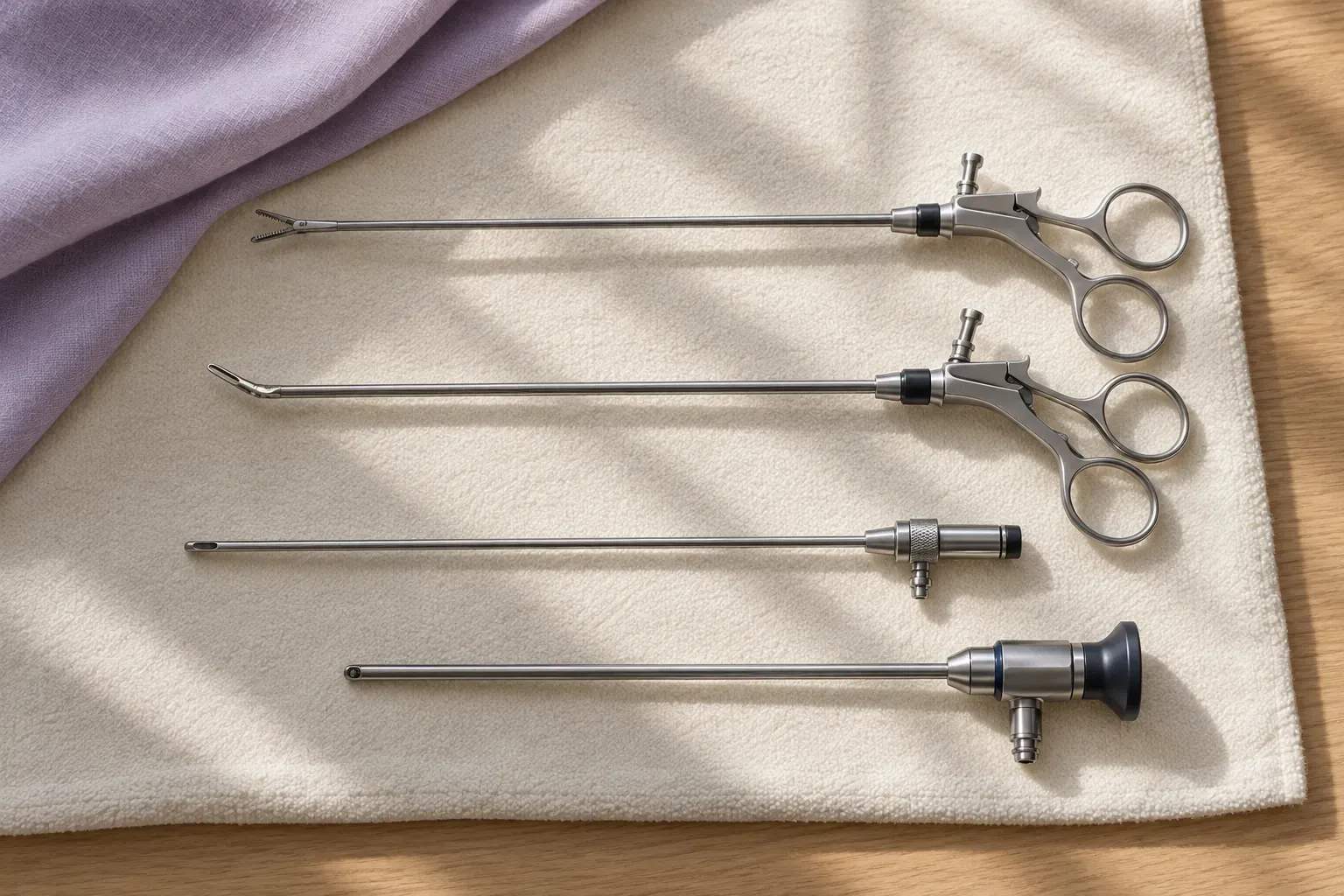
Chest surgery (VATS)
A camera in the chest, with a thoracic surgeon, removes disease from the lung lining, repairs holes in the diaphragm, and can seal the lining so a lung is less likely to collapse again. It hurts more than keyhole surgery in the abdomen, so it's weighed carefully.
- Removes the disease
- Yes, inside the chest
- If it reaches the chest
- Yes, often with abdominal surgery too
Who treats it
Dr. Steven Vasilev, MD
Board-Certified Gynecologic Oncologist & Integrative Medicine Diplomate, Advanced Robotic Endometriosis Excision Surgeon, Director of Lotus Endometriosis Institute
Diaphragm disease is easy to miss and hard to reach, and in non-expert hands it's easy to get too little surgery or too much. Dr. Vasilev is a gynecologic oncologist, trained to operate on the diaphragm, so it's treated in the same operation as the pelvic disease, with a thoracic surgeon alongside when the chest is involved.
Patients often ask
Is thoracic endometriosis dangerous?
Thoracic endometriosis can be dangerous in certain situations, especially when it leads to recurrent lung collapse or significant shortness of breath. With thorough evaluation and coordinated treatment, many patients achieve strong symptom control and fewer recurrences.
Is my shoulder or chest pain from diaphragmatic endometriosis?
Diaphragmatic endometriosis can cause shoulder or chest pain that tends to be cyclical and frequently right-sided, flaring before or during your period. Many non-gynecologic causes can also explain this pain, especially if it’s left-sided or not tied to your cycle.
Can a chest CT miss thoracic endometriosis?
Yes, a chest CT can miss thoracic endometriosis because many implants are small, superficial, or blend in with normal tissue. Normal imaging doesn’t rule it out when chest or shoulder pain, shortness of breath, or other symptoms predictably flare around menstruation.
Can thoracic endometriosis cause a collapsed lung?
Yes, in rare cases, thoracic endometriosis can be associated with a spontaneous collapsed lung that tends to recur around menstruation, called catamenial pneumothorax. Symptoms may include one-sided chest pain, shortness of breath or shoulder discomfort.