

Facing Endometriosis During Teen Years: How to Protect Your Health and Fertility
Living with endometriosis that started young: pain, delayed diagnosis, and navigating your options

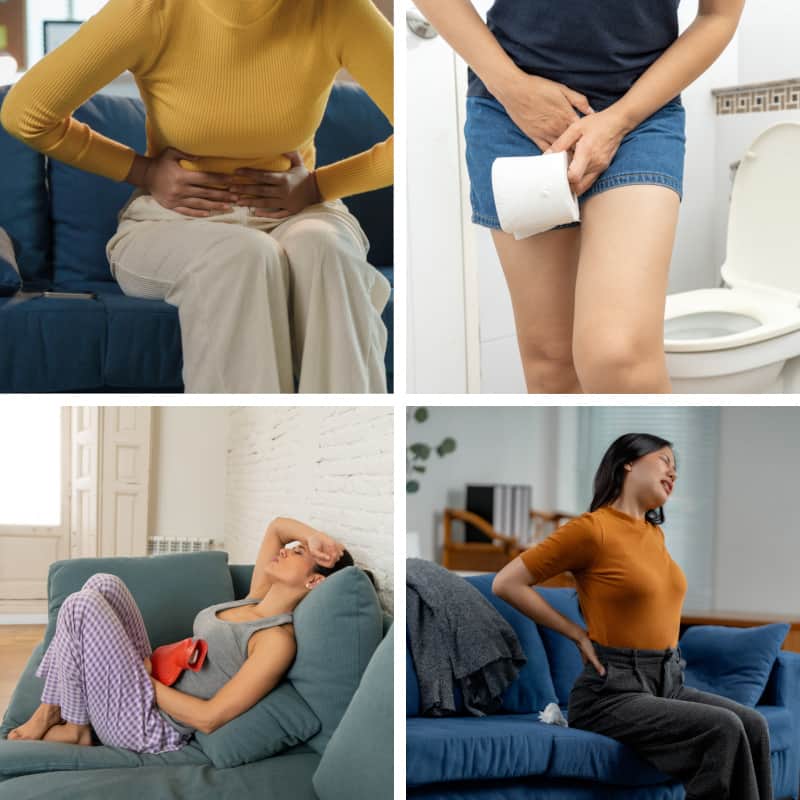
If you started having painful periods or pelvic pain as a teenager, you’re not alone—and there’s a good chance you’re dealing with endometriosis. While this complex condition is often thought of as an “adult” problem, endometriosis can absolutely begin in adolescence and affect your life for decades. Unfortunately, delayed diagnosis is common, so many people spend years suffering before they get real answers. All the while, pain, missed school or work, and anxiety about fertility can take a heavy toll on your quality of life. So, kudos to you for finding and reading this. You're looking for and will find answers faster than most!
Managing endometriosis when it starts young is complicated. Treatments that help many adults—like hormonal therapies or surgery—can be especially tough decisions if you’re worried about side effects, your ability to get pregnant, or how the disease will change over time. If you’re living with endometriosis that began as a teen (or suspect you might be), you need information that’s honest, practical, and focused on helping you navigate these lifelong challenges. Here’s what you need to know, based on recent medical reports and real-world experience.
What Does Early-Onset Endometriosis Mean for You?
Endometriosis doesn’t just cause cramps—it’s a chronic condition where tissue similar to your uterus lining grows outside the uterus, triggering pain, inflammation, and sometimes damage to your pelvic organs. When endometriosis starts in the teen years, the disease often has years to progress before diagnosis, increasing your risk for chronic symptoms and complications like infertility. That means early recognition and treatment are critical, but the reality is many adolescents go undiagnosed for a long time.
If you developed endometriosis as a teen, you’re more likely to face:
- Chronic, recurring pain that can interfere with school, sports, work, and relationships
- A greater risk of fertility challenges down the road, especially if symptoms aren’t managed well
- Tough choices about treatments, since some affect your hormones (and may cause side effects), and surgery can have long-term impacts
- Emotional stress from years of not being believed, misunderstood, or not getting relief
Which Treatments Can Help—And What Should You Expect?
Hormonal therapy (such as birth control pills, progestins, or hormonal IUDs) is the first-line treatment for many, aiming to reduce pain and slow the disease. But side effects can be hard to tolerate, especially if you’re trying to manage school, sports, or your mood. About half of people on hormonal therapy report dealing with issues like weight changes, mood swings, or irregular bleeding. Sometimes, side effects get better over time; sometimes they don’t.
If hormonal therapy doesn’t work or you simply can’t take it, surgical options are another consideration. At the very least, minimrally invasive (bandaid) surgery can give you answers by biopsy. There are blood tests that are almost here as of early 2026, but nothing is precise enough yet. So surgery gives you the answer you need to get on the right track.
Surgery may also include removing endometriosis lesions, and in severe cases, more extensive surgery like hysterectomy (removal of the uterus). This can sound extreme, and is the absolute last resort when you are young. But for some patients struggling with relentless pain and failed treatments, surgery may be the solution that finally brings relief.
In one recent case, a woman diagnosed as a teen underwent many rounds of medication, eventually needed an emergency cesarean for placenta complications, and ultimately decided on a hysterectomy with removal of both ovaries. The outcome? Her pain finally disappeared, and she remained symptom-free with hormone replacement therapy. While this isn't the story for everyone, it shows that surgery can be life-changing when all else fails—but it’s definitely not the first or only step, except maybe for the accurate diagnosis part.
Navigating Fertility: What Are Your Real Options?
Fertility can be a huge worry if you hear “endometriosis” as a teen or young adult. Unfortunately, the disease can make conception harder down the line. This doesn’t mean pregnancy is impossible, but it may be more challenging—especially if the ovaries or other reproductive organs become involved and then scarred.
If preserving your ability to have children is important to you, this should be at the center of all your treatment decisions. Careful use of medications, regular follow-up, and sometimes seeing a fertility specialist early can maximize your options. Some patients can and do become pregnant after years of treatment and even surgery, but it may require IVF or other interventions if problems arise. So, best to catch and control it early.
Take Charge of Your Teen Endometriosis
Our specialists are here to help you understand your condition and explore your treatment options.
Book Your AppointmentShould You Consider Surgery—And When?
Surgery is a deeply personal decision. At the very least it can offer an accurate diagnosis before trying to experiment with various medical hormonal treatments on yourself. Even with professional guidance, it is an experiment until you have an accurate diagnosis. Endo can cause a lot of symptoms related not just to gynecologic organs but also bowel, bladder and beyond. But, it can't cause everything! So, an important factor to consider is an accurate diagnosis before "throwing spaghetti at the wall to see what sticks" or might work.
Beyond diagnosis, surgery is not the first treatment recommendation for teenagers or young adults who want to have children someday. But this is controversial. With the right expert surgeon you can get a head start in controlling the disease for fertility preservation before it causes a lot of scars and gets out of control. Also, if medications aren’t working, your pain is out of control, or your quality of life has really taken a hit, excisional surgery can offer pretty rapid relief. Whatever you do, find the best endometriosis expert and surgeon who can to help you make decisions about too much vs too little treatment and all the options. This usually means specialists who have spent more time and training than a general Ob-Gyn doctor and certainly well beyond what a Pediatrician can offer in most cases. Today's hormonal medical treatment can also cause lasting problems and side effects. So, surgery can be helpful to reduce the amount of time your hormones need to be externally manipulated and can offer pretty quick relief. There is a LOT more information on this site that talks about surgical and medical treatment.
What You Can Do: Practical Steps and Questions
If you’re facing endometriosis that started young or are worried you might be, try these steps:
- Ask your doctor early and often about YOUR fertility goals and how each treatment might affect them.
- Discuss not just treatment benefits, but also potential side effects and how they could impact your daily life.
- If a medication isn’t helping or you can’t tolerate it, don’t suffer in silence—let your care team know right away.
- Seek out a multidisciplinary team (endometriosis expert gynecologist, fertility, pain management, mental health) if you have access—a single doctor rarely has all the answers for complex disease.
- If you’re considering surgery, ask what procedures are available that might relieve pain while preserving fertility, and know what the long-term outcomes could be.
What to Watch For—And When to Push for More Help
If your pain isn’t improving, your daily life is suffering, or you feel your concerns aren’t being heard, it’s time to get a second opinion. Red flags include:
- Pain so severe it causes you to miss work, school, or social events regularly
- No improvement with months of medication, or side effects that interfere with your well-being
- Worsening menstrual symptoms or growing difficulty getting pregnant
- Emotional distress that isn’t being supported
Remember, you’re the expert on your body. If you don’t feel good about your care plan or your doctor isn’t listening, it’s absolutely okay to seek out another provider or start a conversation about different options.
What We’re Still Learning—And Where to Find Hope
No two endometriosis journeys are the same. Some people find relief quickly; others struggle for years trying to find a treatment that works. We still don’t have a cure, and there’s no single path that’s right for everyone. However, early diagnosis, honest conversations about your goals, and persistence in seeking relief can dramatically improve your odds of feeling better and keeping your options open.
Most importantly: you do not have to just “put up” with the pain. You deserve compassionate, comprehensive care tailored to your needs—especially if your disease began when you were young. Knowledge is power. Advocate for yourself, ask tough questions, and know you are not alone. Job #1 is to find the best endometriosis expert in your area or even travel to one if you live in rural areas that don't have much in the way to higher level medicine. You will be glad you did.
References
Kuruma A, Sakata M, Nakatsuka E, Kawano M, Kodama M. Long-Term Burden of Adolescent-Onset Endometriosis: A Case Report Highlighting Recurrent Disease and Fertility-Preserving Dilemmas. Cureus. 2025 Nov 20;17(11):e97388.. DOI: 10.7759/cureus.97388
Quick Answers
Why does ovarian cyst pain keep coming back?
Ovarian cyst pain can feel “recurrent” for a few different reasons. Some cysts are functional (they form with ovulation and then resolve), so the pain returns in a similar spot month after month even though it’s not the exact same cyst. In other cases, the cyst itself can come back or persist—especially if it’s an endometrioma (an ovarian cyst caused by endometriosis), which can behave differently than a simple cyst and may be associated with deeper pelvic disease.
Another common reason is that the cyst isn’t the whole story: endometriosis on the pelvic sidewall, uterosacral ligaments, bowel, bladder, or around the ovary can irritate the same nerves and tissues and make it feel like “my cyst is back” when the driver is actually inflammatory disease nearby. Adhesions (scar-like bands) can also tether the ovary and cause recurring pulling or sharp pain, even when imaging doesn’t show a large cyst. If your pain cycles, escalates, returns quickly after a “normal” ultrasound, or keeps recurring despite prior treatment, our team can help you map the pattern, interpret imaging with an endometriosis lens, and decide whether targeted evaluation and—when appropriate—excision surgery is the next best step.
Can endometriosis cause infertility and pelvic pain in your 20s?
Yes. Endometriosis can absolutely show up in your late 20s and it can be a driver of both chronic pelvic pain and fertility challenges. Pain can include severe or worsening period cramps, pain with sex, bowel or bladder pain, and “flare” patterns that track with your cycle—although symptom severity doesn’t always match how much disease is present.
Endometriosis can affect fertility in several ways, including adhesions that distort tubo‑ovarian anatomy, inflammation and immune signaling that interferes with fertilization or embryo development, and ovarian factors—especially when endometriomas are involved. For some patients, the uterine environment also matters, particularly when adenomyosis is present alongside endometriosis. In our practice, we focus on listening to your full symptom and fertility story and then building an evaluation that looks for endometriosis while also checking for common look‑alikes or coexisting issues, so we can tailor a plan to your goals—whether that’s pain relief, preserving fertility, or both.
Why do I have chronic fatigue and pelvic pain?
Chronic fatigue plus pelvic pain often feels “unexplainable” because it’s rarely caused by just one issue—and many of the most common drivers don’t show up on routine labs or a quick ultrasound. Endometriosis and adenomyosis can cause persistent pelvic pain, painful periods, bowel/bladder symptoms, and deep fatigue through inflammation, disrupted sleep, heavy bleeding (and possible iron deficiency), and the sheer energy cost of living with ongoing pain. It’s also common for more than one gynecologic condition to coexist—like fibroids, polyps, or benign cysts—so a single label may not fully match what you’re experiencing.
Another reason symptoms can persist is that the nervous system can become more pain-sensitive over time (often called central sensitization), meaning pain can spread, linger outside your cycle, or feel disproportionate to what imaging shows. In those cases, symptom relief alone can miss the bigger picture: we think in terms of both treating disease (for example, addressing endometriosis lesions or uterine drivers like adenomyosis/fibroids) and building a personalized pain-management plan so your body can “turn down the volume” on pain signals.
If your fatigue and pelvic pain have been brushed off or left without a clear plan, our team can help you sort through the likely contributors, including endometriosis/adenomyosis and common coexisting conditions, and map next steps that fit your goals. You can explore our educational resources on fatigue, chronic pelvic pain, and comprehensive treatment approaches, and reach out to schedule a consultation when you’re ready.
Why does sex hurt more around my period?
Pain with sex that flares around your period often points to a hormonally driven pelvic pain source—meaning tissue and nerves in the pelvis become more inflamed and reactive in the days leading up to bleeding and during menstruation. Endometriosis is a common reason: lesions can irritate nearby nerves and organs, and the inflammatory chemicals they produce can amplify pain signals. Adenomyosis (endometrial-like tissue within the uterine muscle) can also make the uterus unusually tender and crampy, so penetration, orgasm-related uterine contractions, or even pelvic pressure can feel painful around that time.
The “where” and “when” of the pain matters. Deep pain with penetration can be related to endometriosis near the uterosacral ligaments, cervix/vaginal fornix, rectovaginal space, bowel, or bladder—especially if scarring or adhesions have altered how those structures move. Pain after sex or after orgasm can happen when pelvic floor muscles spasm or when uterine contractions tug on sensitized areas. If this pattern is recurring, our team can help map your symptom timing and triggers and evaluate for endometriosis, adenomyosis, pelvic floor dysfunction, and overlapping bladder/bowel involvement so treatment targets the real driver of your pain rather than just masking it.
Why is my period pain so severe it disrupts my daily life?
Severe, life-disrupting period pain isn’t “normal cramps,” and it often points to an underlying driver that deserves a real explanation—not just symptom masking. One common cause is endometriosis, where tissue similar to the uterine lining grows outside the uterus and can irritate pelvic structures, trigger inflammatory chemicals, and sometimes involve organs like the bowel or bladder. Another key point is that pain severity doesn’t reliably match “stage,” so someone can have intense pain even if imaging looks normal or disease appears limited.
When period pain is severe, worsening over time, starts years after your first period, or comes with heavy bleeding, painful sex, bowel pain with periods, urinary pain, or fatigue, we think in patterns—because endometriosis and related conditions can overlap with pelvic floor dysfunction, nerve pain/central sensitization, GI dysbiosis, vascular issues, or adenomyosis. Our approach is to take your full timeline and flare pattern seriously and then tailor evaluation with careful exam and expertly interpreted imaging when helpful. If your pain is disrupting school, work, relationships, or daily functioning, reach out to schedule a consultation—our team can help you identify what’s driving it and map out a plan aimed at lasting relief.