



Large Period Clots and the Red Flags That Matter
How size, heavy flow, and other symptoms guide when to seek care and what to ask

Large period clots can be normal, but the pattern matters
Large period clots can be normal occasionally, including a single large clot after blood has pooled while you were sitting or lying down. Repeated large clots, especially with flooding, prolonged bleeding, pain, or symptoms of iron deficiency, deserve evaluation. Severe bleeding or possible pregnancy with concerning symptoms may need urgent care.
Large period clots are a signal, not a diagnosis. Their size alone cannot tell you why you’re bleeding or how urgently you need help.
Why menstrual clots form
Menstrual flow is a mix of blood, uterine lining tissue, and fluid. Your body releases natural anticoagulants to keep menstrual flow from clotting. When bleeding is heavy or fast, those anticoagulants may not keep up, and clots form.
Clots can be bright red, dark red, or brownish. They may look jelly-like, sticky, stringy, chunky, or more tissue-like, but texture alone doesn’t diagnose a cause.
The pattern matters most: how often you pass clots, how big they are, and whether you’re also flooding through protection. Pain, fatigue, and shortness of breath also help determine what needs attention.
Normal clotting versus signs of heavy bleeding
Occasional small clots can happen in healthy cycles, especially on the heaviest day. Clotting becomes more concerning when it accompanies heavy menstrual bleeding, meaning bleeding that interferes with daily life, causes anemia, or is very high in volume.
What clot size can and cannot tell you
Passing a golf ball-sized blood clot during your period can be alarming, but one clot does not identify a condition. A single large clot after blood has pooled is different from repeatedly passing large clots while bleeding heavily.
Large clots become more concerning when they come with heavy flow, symptoms of anemia, severe pain, or new or worsening bleeding. Repeated large clots plus soaking through protection are a strong reason to contact your own clinician promptly.
Flooding and symptoms matter more than size alone
Flooding means soaking through protection quickly or leaking despite protection. Consistently long and heavy periods, needing double protection, getting up at night to change, soaking clothing or bedding, and avoiding leaving home all suggest bleeding that needs attention.
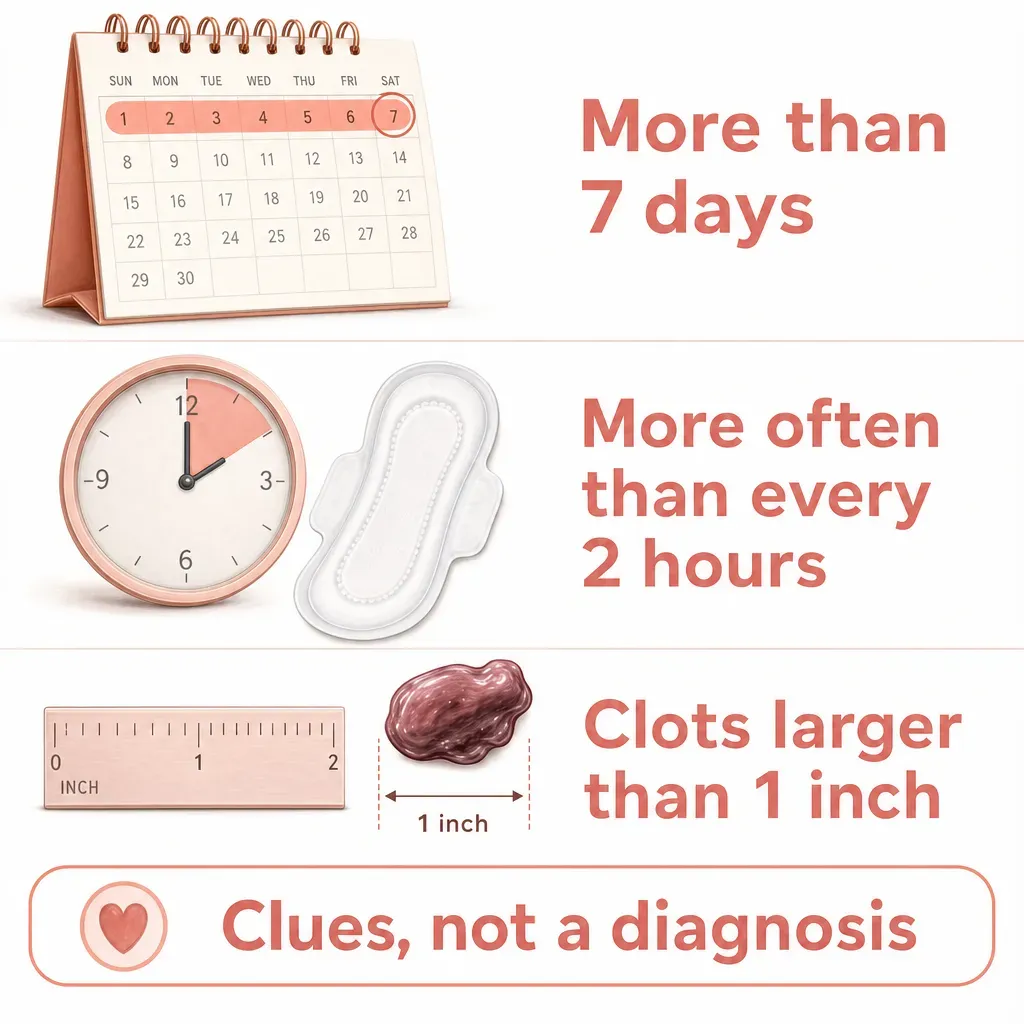
A 2026 clinical review focused on adolescents with heavy menstrual bleeding described a practical screening guide: periods lasting more than 7 days, needing protection changes more often than every 2 hours, or passing clots larger than 1 inch should prompt consideration of heavy menstrual bleeding. These are clues for evaluation, not a diagnosis based on clot size.
Fatigue, brain fog, headaches, restless legs, and hair shedding can be clues to iron deficiency. Iron deficiency can develop before obvious anemia appears on routine blood tests. Clot-heavy, high-volume periods deserve a real workup, not just reassurance.
Causes of large period clots can overlap
Adenomyosis and heavy, painful bleeding
Adenomyosis can cause heavy, painful periods and an enlarged, tender uterus. As bleeding volume increases, clotting becomes more likely.
In a 2026 case-control study comparing 21 women with adenomyosis undergoing hysterectomy with 21 women without adenomyosis, tissue levels of proteins called TSC1 and TSC2 were lower in the adenomyosis group. A blood marker called VEGFD was also associated with heavier menstrual bleeding in that small group.
These findings support a biological basis for heavy bleeding in adenomyosis, alongside pain. VEGFD is not yet validated for routine diagnosis or monitoring, so it is not a test to rely on for evaluating period clots today.
Fibroids and flooding
Fibroids are a common structural cause of heavy bleeding. Fibroids beneath the uterine lining or those that distort the uterine cavity are especially associated with heavy flow and clotting because they increase the lining’s surface area and can interfere with uterine contraction.
For someone who suspects endometriosis or adenomyosis, overlapping symptoms can make the cause difficult to distinguish. Heavy bleeding with clots might come from fibroids, adenomyosis, both, or neither. Appropriate imaging and consideration of several possible causes help prevent missed diagnoses.
Bleeding disorders and clues since the first period
Bleeding disorders are a cause that must not be missed. They are common among people seeking care for heavy menstrual bleeding, yet they can be overlooked unless someone asks about them and tests.
A Dutch clinician survey published in 2026 analyzed responses from 149 gynecology clinicians and 62 hematology clinicians. It found that gynecology clinicians often underestimated how frequently bleeding disorders occur in people with heavy menstrual bleeding, compared with an estimate of about 30% in hospital outpatients cited in the survey’s background.
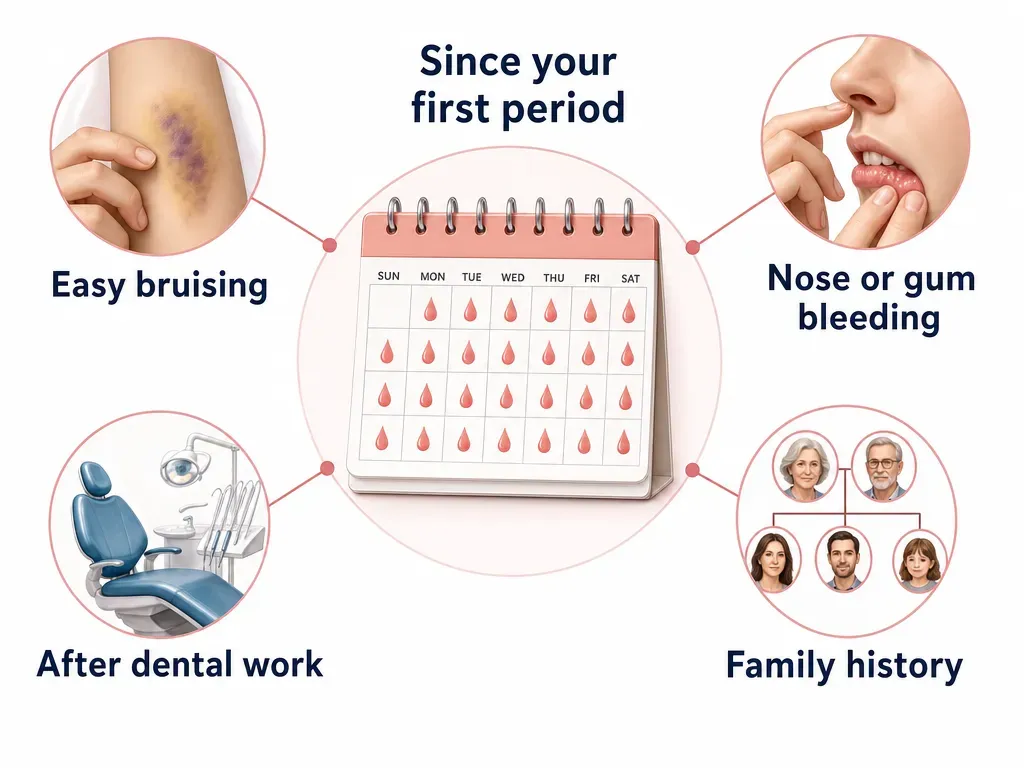
A history of heavy periods from your first period is a major clue, even if you are no longer a teenager. Longstanding heavy clotting, easy bruising, frequent nosebleeds, gum bleeding, or prolonged bleeding after dental work or surgery also matter. Tell your doctor about relatives with heavy periods, severe bleeding after childbirth, or diagnosed bleeding disorders.
The 2026 adolescent review noted that a substantial proportion of teens with heavy menstrual bleeding have an underlying bleeding disorder. Heavy bleeding can be the first or only symptom, so the absence of other bleeding problems does not end the evaluation.
Blood thinners and increased menstrual flow
Anticoagulants can make heavy menstrual bleeding much more likely. Menstrual clots may increase simply because the volume of bleeding increases, even though the medication reduces blood clotting elsewhere in the body.
If periods become heavier after starting a blood thinner, tell the clinician managing it. Do not stop, skip, or change anticoagulant treatment on your own.
Pregnancy-related bleeding
Clots can occur with miscarriage, ectopic pregnancy, or bleeding after childbirth. If pregnancy is possible and you have heavy bleeding with clots, seek urgent care, especially with one-sided pain, shoulder pain, fainting, or severe dizziness.
More than one cause of heavy bleeding can be present. Fibroids, adenomyosis, a bleeding disorder, and medication effects can coexist, so finding one explanation should not automatically stop the workup.
A workup should check bleeding and its possible causes
A broad, stepwise evaluation is the most patient-protective approach because causes can overlap. The assessment should address both how much blood you are losing and why it is happening.
Record the bleeding pattern and bleeding history
Record how many days you bleed, how many are heavy, how often you change protection, and whether you have flooding, nighttime changes, or clots. Include the effect on work, school, exercise, sleep, and leaving home.
Your clinician should also ask about your personal and family bleeding history. Mention bruising, nosebleeds, gum bleeding, prolonged dental or surgical bleeding, and postpartum hemorrhage, meaning severe bleeding after childbirth.
Worried About Large Period Clots?
Our specialists are here to help you understand your condition and explore your treatment options.
Book Your ConsultationCheck iron levels and investigate structural and bleeding causes
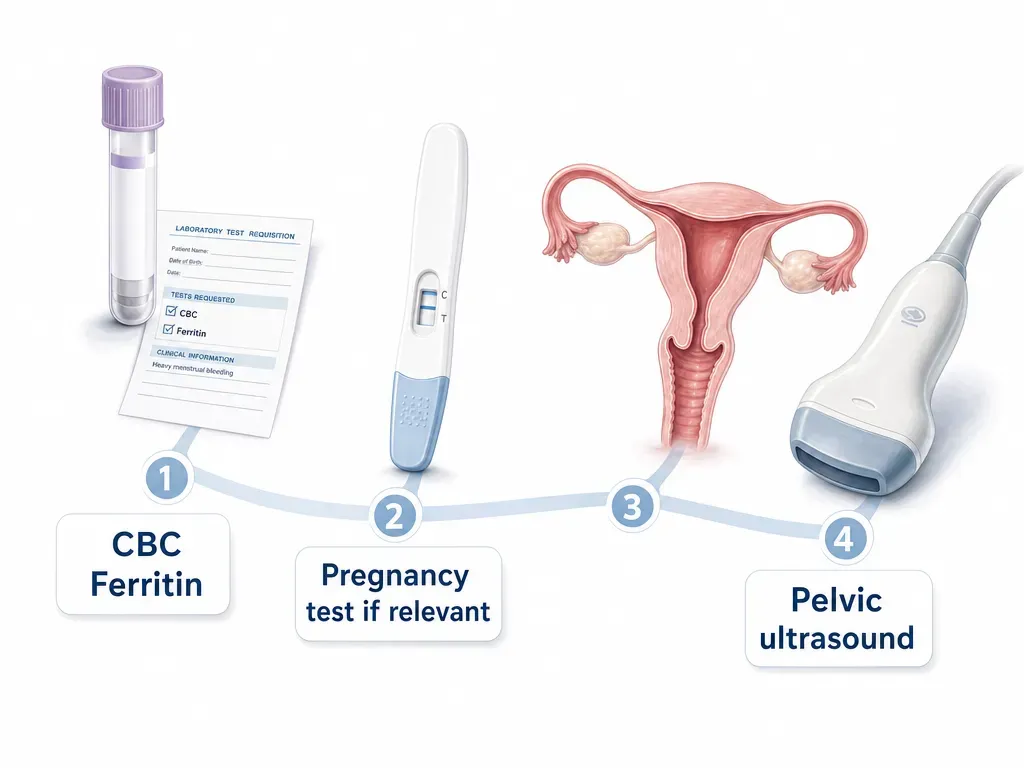
Blood testing should assess both anemia and iron deficiency, usually with a complete blood count, or CBC, plus ferritin and other iron studies as appropriate. Hemoglobin alone can miss depleted iron stores. Pregnancy testing is needed when relevant, along with an appropriate pelvic examination and imaging, often ultrasound, to assess for fibroids, adenomyosis, and other structural causes.
Ask specifically about bleeding-disorder screening or a hematology referral if your history suggests it, particularly if heavy periods began at your first period. Screening and coordinated care are inconsistent in practice, which can delay diagnosis. In the Dutch clinician survey, structured screening tools and laboratory testing were not routinely used, and 94% of gynecology respondents reported seldom or never referring patients with heavy menstrual bleeding to hematology.
Initially normal-looking tests do not always settle the question. A 2026 literature review of women and girls with hemophilia and hemophilia carriers found that basic clotting tests and even clotting-factor levels within the normal range do not always reflect actual bleeding symptoms. A convincing bleeding history may still warrant specialist evaluation.
Treatment needs a plan for this cycle and the next
Treatment depends on the cause and your goals: bleeding control, pain relief, fertility, and avoiding surgery. A useful plan addresses iron loss, the current bleeding episode, and how to prevent it from happening again.
Treat iron deficiency alongside the bleeding
Treating iron deficiency is not optional; it is part of care. It can cause fatigue and reduced quality of life before severe anemia becomes obvious.
Treatment may involve oral or intravenous iron, depending on the severity of deficiency and how well you tolerate and absorb oral treatment. Reducing menstrual blood loss and replacing lost iron need to happen together.
Plan acute control and prevention of recurrence
Controlling the current bleed is not enough without a plan for early recurrence. A 2026 narrative review of heavy menstrual bleeding management in women with inherited or acquired bleeding disorders described a vulnerable interval after initial bleeding control, when bleeding can return before long-term treatment is established.
Depending on your health history, acute treatment and short-term stabilization may include clinician-prescribed hormonal therapy, such as progestins or combined hormonal treatment, and tranexamic acid when appropriate. Severe bleeding may require emergency or hospital treatment to stabilize blood loss and correct anemia or a clotting problem. If a bleeding disorder is suspected, coordinated hematology input should be part of the plan.
The transition to longer-term treatment should be deliberate rather than a period of waiting without protection against another heavy bleed. Ask what you should take, how long you should take it, and what to do if bleeding returns.
Match longer-term options to the cause and fertility goals
For adenomyosis, longer-term bleeding reduction often centers on progestin-based treatment, including the levonorgestrel-releasing intrauterine device, or LNG-IUD. If medical therapy has not controlled heavy bleeding and clots, selected patients who have completed childbearing may consider a procedural option.
A 2026 randomized trial enrolled 146 women with adenomyosis, heavy bleeding or painful periods despite hormonal treatment, and no plans for further childbearing. It compared the LNG-IUD alone with an LNG-IUD plus transcervical resection of the endometrium, or TCRE, a procedure that removes the uterine lining through the cervix. At 12 months, treatment failure was lower with the combined treatment: about 7% versus 25%.
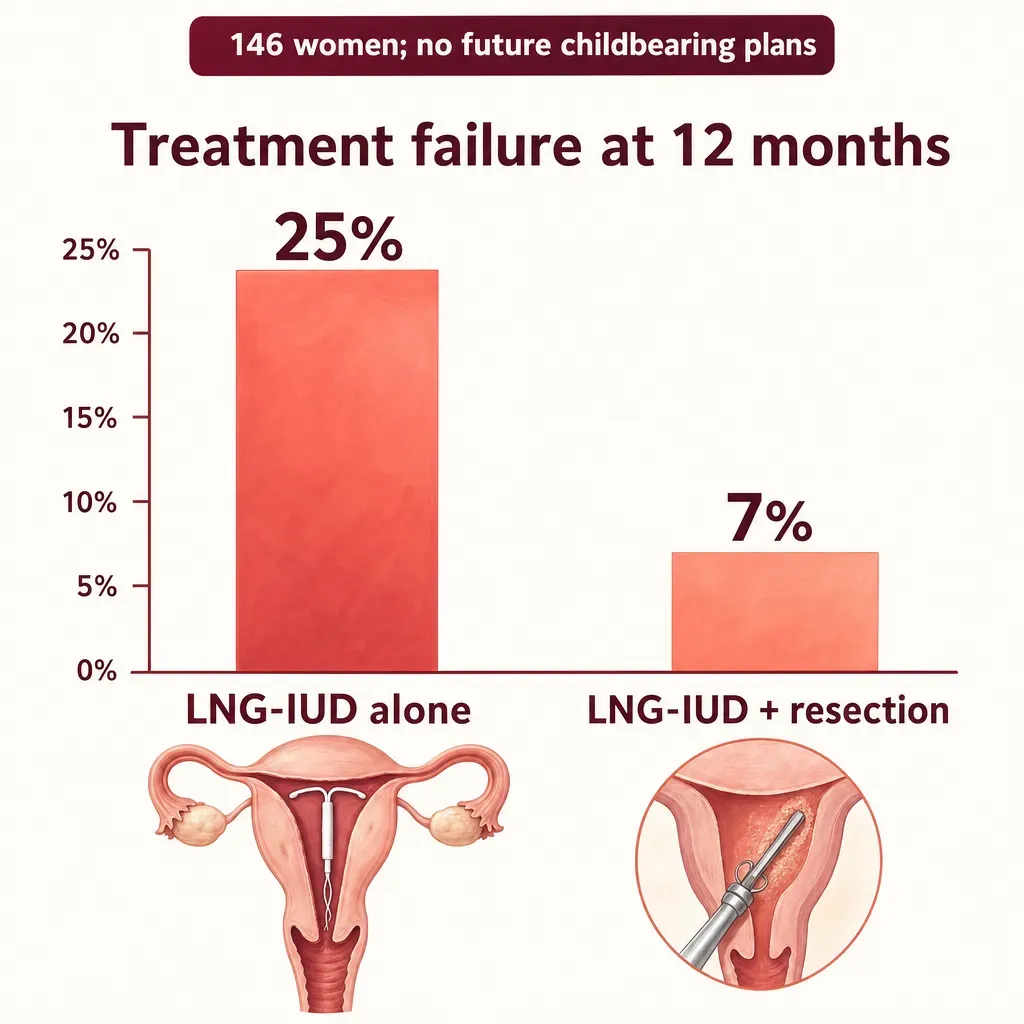
The combined-treatment group also had higher rates of periods stopping, better quality-of-life scores, and fewer IUD expulsions. No expulsions occurred in that group, compared with about 9% with the IUD alone. Endometrial resection is incompatible with future pregnancy, so this option is only for people who have completed childbearing.
For fibroids, treatment depends on their size and location, symptom severity, and fertility goals. A 2026 narrative review of treatments for adult women with fibroids described individualized, uterus-sparing options that include medication, minimally invasive procedures, and surgery.
Medication can reduce bleeding but may cause side effects, and bleeding can return after treatment stops. Myomectomy, surgery to remove fibroids, is often preferred when fertility is a priority. Uterine artery embolization and radiofrequency ablation are options for selected patients, but future-pregnancy outcomes depend on patient selection, and stronger long-term data are still needed for some procedures.
For people taking anticoagulants, medication choice may affect menstrual bleeding. A 2025 prospective registry followed 73 menstruating women treated with direct oral anticoagulants for venous blood clots who were not using hormonal or intrauterine contraception. Average menstrual bleeding scores were 54% higher with rivaroxaban than with apixaban.
That finding is a reason to discuss unmanageable periods with your clot specialist, not to switch medication independently. Preventing dangerous blood clots comes first, and changing anticoagulants is not suitable for everyone.
When to seek urgent care or arrange a prompt visit
Get urgent care for severe bleeding or concerning symptoms
Seek urgent care now if you have:
- Rapidly soaked pads or tampons for hours, or bleeding that feels uncontrollable.
- Fainting, chest pain, shortness of breath, severe weakness, or other signs of significant anemia.
- Severe pelvic pain with heavy bleeding.
- Possible pregnancy with heavy bleeding and clots, especially with one-sided pain, shoulder pain, fainting, or severe dizziness.
Book a prompt visit for recurring or newly heavy periods
Arrange a prompt appointment with your own clinician if you have:
- Recurrent large clots over multiple cycles.
- Heavy bleeding that disrupts daily life or causes fatigue.
- Heavy bleeding since your first period, or a strong personal or family bleeding history.
- New heavy bleeding after starting anticoagulants.
Questions to take to your doctor
Ask for an evaluation that considers both structural causes, such as adenomyosis and fibroids, and nonstructural causes, such as bleeding disorders or medication effects. These questions can help keep the appointment focused on the bleeding pattern and its causes rather than clot size alone.
- “Based on my symptoms, do I meet criteria for heavy menstrual bleeding?”
- “Can we check a CBC plus iron studies, including ferritin, rather than hemoglobin alone?”
- “Do my symptoms suggest adenomyosis or fibroids, and should we do an ultrasound or other imaging?”
- “Given my history of heavy bleeding since my first period, family bleeding, or easy bruising, should I be screened for a bleeding disorder or referred to hematology?”
- “If we control this cycle, what’s the plan to prevent early recurrence over the next 1–3 months?”
References
Luijten, Groenen, Nieuwenhuizen et al.. A persistent diagnostic gap: awareness and workup of bleeding disorders in heavy menstrual bleeding among Dutch gynecologists and hematologists. BMC Women's Health. 2026. PMID: 41943050 PMCID: PMC13267365
Połukord, Jędrzejak, Loba et al.. Contemporary Management of Uterine Fibroids. Journal of Clinical Medicine. 2026. PMID: 42355799 PMCID: PMC13301987
Jiang, Zhu, Yang. Phase-Based Management of Heavy Menstrual Bleeding in Women with Bleeding Disorders: From Acute Control to Long-Term Maintenance. International Journal of Women's Health. 2026. PMID: 42369817 PMCID: PMC13310064
Subbaiah, Suriya, Selvarajan. Levonorgestrel Intrauterine Device versus Combined Transcervical Resection of the Endometrium in the Management of Adenomyosis: A Randomized Clinical Trial. Gynecology and Minimally Invasive Therapy. 2026. PMID: 42541197 PMCID: PMC13427150
Ranalli, Di Re, Guardalupi et al.. Focus on Women with Hemophilia and Carriers: How to Address All the Existing Gaps in Diagnosis and Care. Journal of Clinical Medicine. 2026. PMID: 42589988 PMCID: PMC13467494
Gupta, Castaman, Funkhouser et al.. Call to action: identifying an underlying bleeding disorder in adolescents with heavy menstrual bleeding. Research and Practice in Thrombosis and Haemostasis. 2026. PMID: 42598146 PMCID: PMC13471214
Gu, Luo, Yang et al.. Correlations between TSC Expression and Menorrhagia in Adenomyosis Patients. Reproductive Sciences. 2026. PMID: 42481897 PMCID: PMC13490250
Lindhoff-Last, Wiegratz, Ott et al.. Heavy Menstrual Bleeding in Women Treated with Direct Oral Anticoagulants: Results of the Prospective HEMBLED Registry. Thrombosis and Haemostasis. 2025. PMID: 41224211 PMCID: PMC13521661
Quick Answers
Which adenomyosis symptoms most affect daily life?
Heavy or prolonged periods and severe period pain usually cause the biggest disruption to daily life with adenomyosis. Bleeding can affect work, school, travel, and sleep, while fatigue, pelvic pressure, and pain with sex for some people can add to the burden.
Why do I look pregnant from bloating with constant pelvic pressure?
Bloating that makes you look pregnant with constant pelvic pressure can come from pelvic inflammation, swelling, or a sense of bulk. Endometriosis, adenomyosis, fibroids, ovarian cysts, and bowel sensitivity can contribute, and symptoms alone don’t reliably identify the cause.
Why does ovarian cyst pain keep coming back?
Ovarian cyst pain can return because new cysts form with ovulation, a cyst persists or comes back, or nearby endometriosis or scar-like bands cause pain. An endometrioma, a cyst caused by endometriosis, may be associated with deeper pelvic disease.
Why do I get low back and leg pain during my period?
Low back and leg pain during your period can happen when pelvic inflammation irritates pain pathways that send pain into your back and legs. In some patients, endometriosis can play a role, but pain can also come from the spine, hips, or muscles.