




What 2025 Thoracic Endometriosis Case Reports Tell Patients
New findings highlight diagnostic challenges, surgical approaches, and hormonal treatment options to discuss with your doctor.
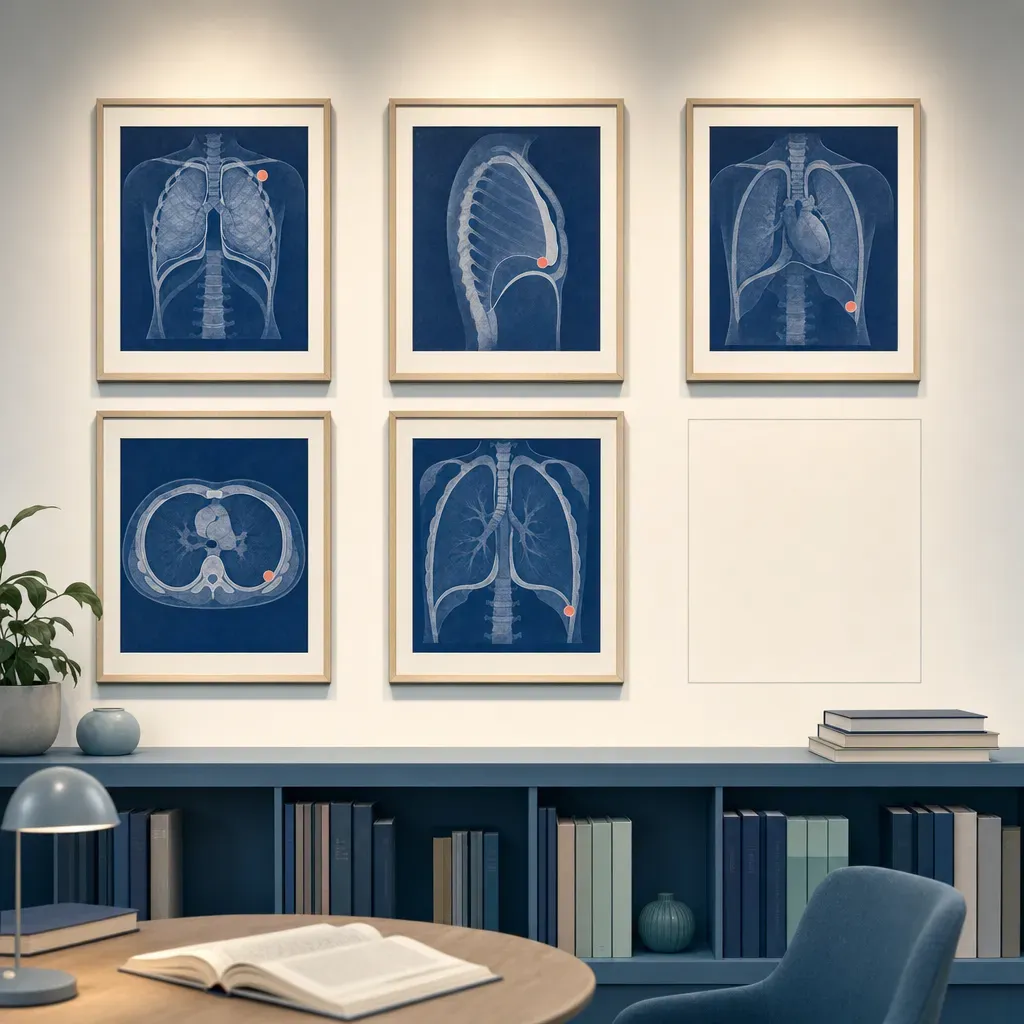
New findings from 2025 thoracic endometriosis case reports highlight diagnostic challenges and options for surgery and hormonal treatment. They show possible paths through evaluation, surgery, and hormonal therapy, but they cannot predict which treatment will work for another person. They can help you identify questions about diagnostic certainty and treatment planning to discuss with your own doctors.
If you’d like a second opinion on your imaging or a recommended treatment, our team can review it.
What new findings add to care discussions
An individual outcome is not a recurrence estimate or a comparison between treatments. Improvement after surgery plus medication cannot establish how much each contributed. Likewise, improvement during medication treatment does not prove that medication would work better than surgery.
Diagnostic certainty also differs. Some findings were confirmed by tissue examination, while other diagnoses rested on symptoms, menstrual timing, imaging, and surgical appearances without tissue confirmation. That distinction matters when discussing how closely a reported experience resembles your own.
Bleeding in the chest and abdomen can complicate diagnosis
Unexplained bloody fluid around the lung or within the abdomen requires consideration of several possible causes. Menstrual timing can help guide that evaluation, but it cannot establish the cause by itself.
In a 2025 single-patient case report involving a 34-year-old woman with previously diagnosed endometriosis, recurrent bloody abdominal fluid collections were followed by recurrent bloody fluid around the right lung. These complications were described as hemoperitoneum and hemothorax. Her initial chest symptoms began on the same day as menstruation, helping shift attention from presumed pneumonia toward possible thoracic endometriosis.
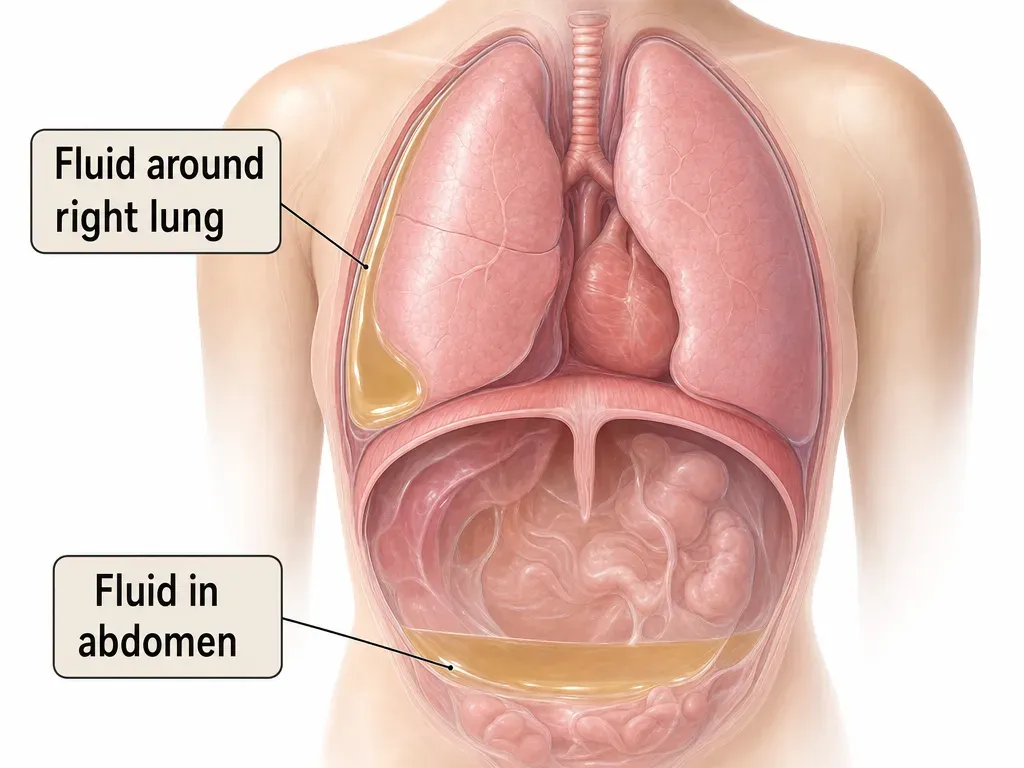
Later, chest pain and breathlessness persisted outside menstruation. A biopsy of the lining around the lung showed inflammation and reactive tissue changes, not confirmed endometriosis. The chest diagnosis therefore remained clinically suspected.
Treatment was difficult: a reported allergic reaction limited hormonal treatment, and extensive pelvic adhesions prevented surgeons from mobilizing the pelvic organs during a later operation. This experience does not establish that these bleeding complications are common or that surgery generally fails.
For a consultation, bring the timing of bleeding episodes, symptoms between periods, and previous fluid-analysis or biopsy results. Ask what other causes have been investigated and which findings support endometriosis as the explanation.
Diaphragm and chest findings can shape a surgical plan
Diaphragmatic endometriosis surgery may involve the abdominal surface, the chest surface, or both. Imaging, previous operative findings, and the nature of chest symptoms can help determine which specialists and surgical approaches belong in the discussion.
A four-year outcome followed surgery and hormonal suppression
In a 2025 single-patient case report involving a 43-year-old woman with recurrent menstrual-cycle-linked right pneumothorax, tissue testing confirmed endometriosis in a diaphragm specimen. A pneumothorax is air around the lung that can cause it to collapse. A lung bulla, an abnormal air pocket removed during the same operation, did not contain endometriosis.
After surgical resection, the patient received six courses of a GnRH agonist, followed by dienogest. No pneumothorax recurrence was reported during four years of follow-up. Because surgery and hormonal suppression were used together, this outcome cannot establish the separate benefit of either treatment.
The distinction between the diaphragm and lung specimens is useful for interpreting pathology reports. An abnormality seen during surgery does not necessarily contain endometriosis, and each sampled site may provide different information.
Have Questions About Thoracic Endometriosis?
Our specialists are here to help you understand your condition and explore your treatment options.
Schedule a ConsultationA combined approach addressed diaphragm and pleural disease
In a 2025 single-patient case report involving a 31-year-old woman with known pelvic and diaphragmatic endometriosis, a CT scan identified a right pneumothorax. During surgery, disease within the chest was more extensive than the relatively small lesions visible on the abdominal side of the diaphragm suggested.
The operation combined laparoscopy with video-assisted thoracoscopic surgery, a camera-assisted approach inside the chest. Treatment included removal of diaphragm lesions, full-thickness diaphragm resection and repair, removal of affected upper chest lining, and talc pleurodesis to help the lung adhere to the chest wall. Her hormonal intrauterine device remained in place.
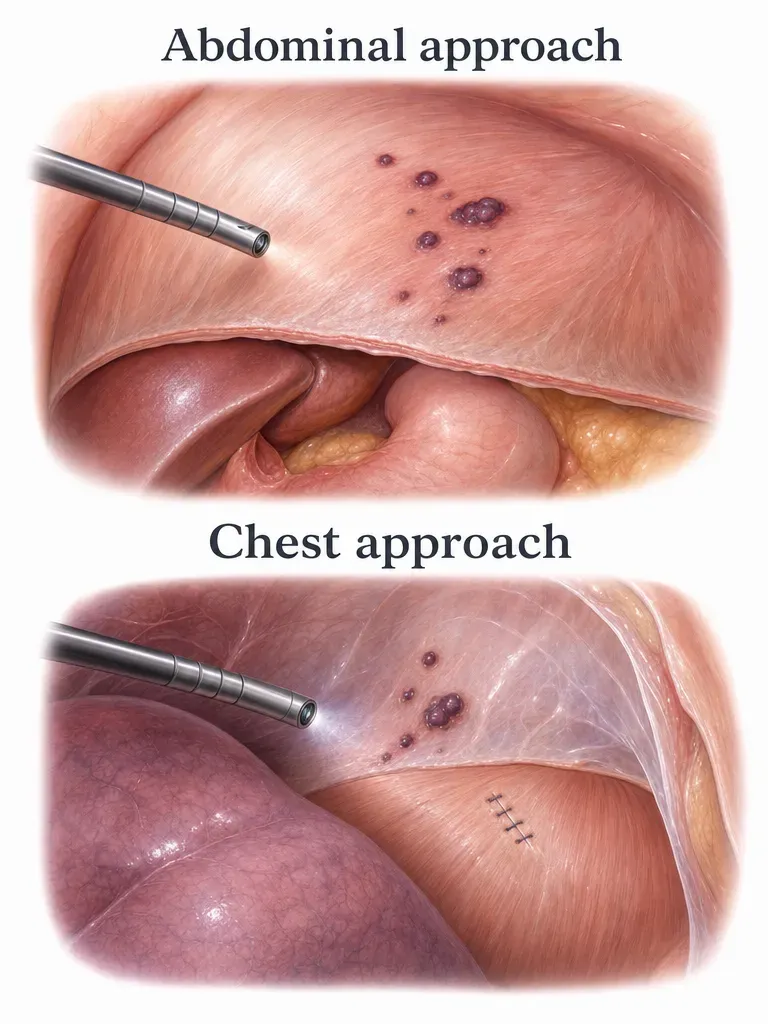
She reported complete symptom resolution and no recurrent pneumothorax during six months of follow-up, with no reported surgical complications. This illustrates why combined thoracic and abdominal endometriosis surgery may be considered in selected patients; it does not establish that everyone with diaphragm lesions needs chest surgery.
Questions to bring to a surgical consultation include:
- What do my imaging and previous operative findings show about each side of the diaphragm?
- Is there a reason to involve both a gynecologic surgeon and a thoracic surgeon?
- Which findings would change the planned operation?
- What would hormonal suppression add, and how does it fit my preferences and pregnancy plans?
Two medication-treated cases offer an option to discuss
Medication may be part of the discussion when surgery is declined or is not suitable. The choice depends on the suspected disease location, symptoms, diagnostic uncertainty, treatment risks, and personal goals.
In a 2025 two-patient case report involving women aged 27 and 46 with menstrual-cycle-linked coughing up blood, both patients declined surgery. Each received six monthly courses of a GnRH agonist with tibolone, followed by dienogest maintenance. Coughing up blood, called hemoptysis, resolved, with no recurrence reported over approximately four and five years of follow-up, respectively.
The CT outcomes differed. In the first patient, a nodular lung lesion decreased in size; in the second, the lung findings showed no progression. The report does not demonstrate that both patients’ lesions shrank.
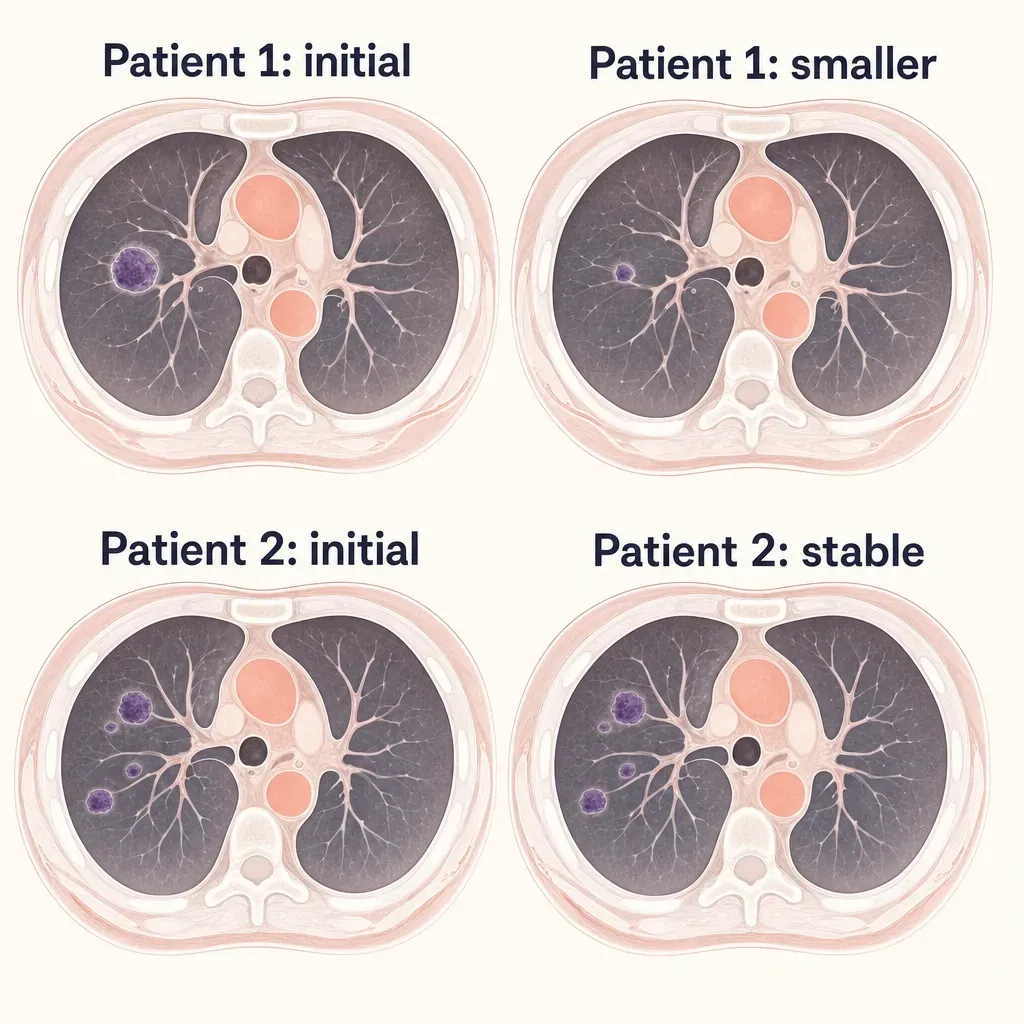
Neither patient had tissue confirmation of thoracic endometriosis. Their diagnoses were supported by menstrual timing, imaging, evaluation for other causes, and response to hormonal suppression. This was a small case series without a comparison group, so it cannot establish medication’s superiority over surgery.
Follow-up included blood tests, imaging, and assessment of symptoms and tolerability. The report described no significant abnormalities on repeated monitoring tests; the first patient reported no notable low-estrogen symptoms, while the second experienced intermittent hot flashes, sweating, irritability, and insomnia, which were attributed to perimenopause and treated.
Ask your doctor whether a medication-first approach is appropriate, how its success would be assessed, and what side effects and monitoring would need attention. Improvement in symptoms and stability on imaging are different outcomes, and both may matter to the plan.
A delayed diagnosis can carry a substantial personal cost
Recurring physical symptoms and emotional distress should both be addressed. Psychological suffering does not make chest symptoms less worthy of investigation or establish that anxiety caused them.
In a 2025 single-patient case report involving a 42-year-old woman, chest pain, breathlessness, and recurrent right pneumothorax began in 2019, while thoracic endometriosis syndrome was suspected in 2022. Symptoms were repeatedly attributed to anxiety or infection during a prolonged, fragmented course of care. The report documented severe psychological distress, including a suicide attempt.
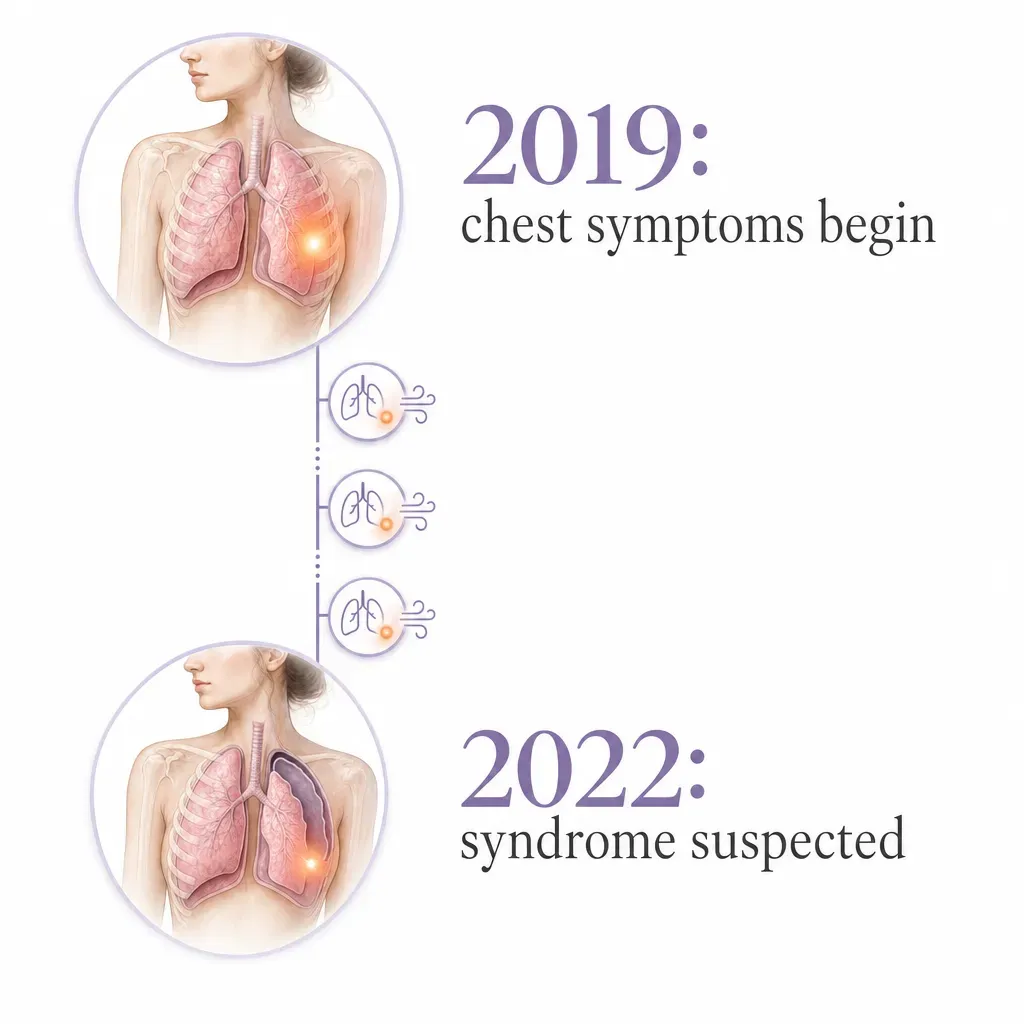
Surgery identified holes in the diaphragm, supporting a clinical diagnosis, but chest and later diaphragm-related tissue samples did not confirm endometriosis. Four thoracoscopic procedures did not provide sustained relief. After abdominal surgery targeting the diaphragm in May 2025, while continuing dienogest, she reported substantial improvement in chest symptoms, daily functioning, and quality of life.
The reported recurrence-free interval was only three months. That short follow-up and the ongoing medication make it impossible to infer a durable surgical result or a preferred treatment sequence.
For an appointment, a symptom timeline can include menstrual timing, prior diagnoses, procedures, medication responses, missed work, and effects on sleep or relationships. Ask how gynecology, thoracic care, pain management, and psychological support could be coordinated without treating emotional distress as an explanation for all physical symptoms.
References
Park, Peterson. Recurrent Hemothorax and Hemoperitoneum in Endometriosis: A Case Report. Cureus. 2025. PMID: 40918755 PMCID: PMC12413240
Pietrzak, Szablewska, Pryba et al.. From First Breathless Episode to Final Diagnosis and Treatment: A Case Report on Thoracic Endometriosis Syndrome. Journal of Clinical Medicine. 2025. PMID: 40943999 PMCID: PMC12429425
Naem, P, Reddy et al.. Looking at the tip of the iceberg: a case report discussing the diagnosis and management of coexistent diaphragmatic and thoracic endometriosis. Annals of Medicine and Surgery. 2025. PMID: 41181436 PMCID: PMC12577815
Tang, Jia, Chen et al.. Case Report: Long-term maintenance of GnRH-a combined with dienogest for thoracic endometriosis syndrome. Frontiers in Medicine. 2025. PMID: 41221519 PMCID: PMC12597943
Koh, Nakazawa, Nakajima. Catamenial pneumothorax with histologically proven diaphragmatic endometriosis successfully managed by combined surgical resection and hormonal therapy: A four-year recurrence-free case. Respiratory Medicine Case Reports. 2025. PMID: 41323554 PMCID: PMC12657611
Quick Answers
Can endometriosis spread to the brain?
Yes, endometriosis can occur in the brain, but brain involvement is extremely rare. Sometimes neurologic symptoms that flare with your cycle are related to endometriosis affecting nerves or areas in the abdomen or chest rather than the brain itself.
What causes estrogen dominance with endometriosis?
Estrogen dominance in endometriosis can come from estrogen made within lesions, inflammation that reinforces estrogen signaling, and a weaker response to progesterone. These changes can favor estrogen in pelvic tissues even when blood hormone labs look normal.
How do I document endometriosis for work accommodations?
Document endometriosis for work accommodations by connecting your diagnosis or suspected diagnosis to specific work limits. Keep a symptom log for at least 4–8 weeks and save medical records; a concise clinician letter focused on work restrictions usually helps most.
How do I explain endometriosis to my employer?
It often helps to keep your explanation simple and work-focused: endometriosis is a chronic condition that can cause pain, fatigue, and unpredictable flares. Explain how symptoms affect your work and what flexibility would help, without sharing intimate details.